
Flowers
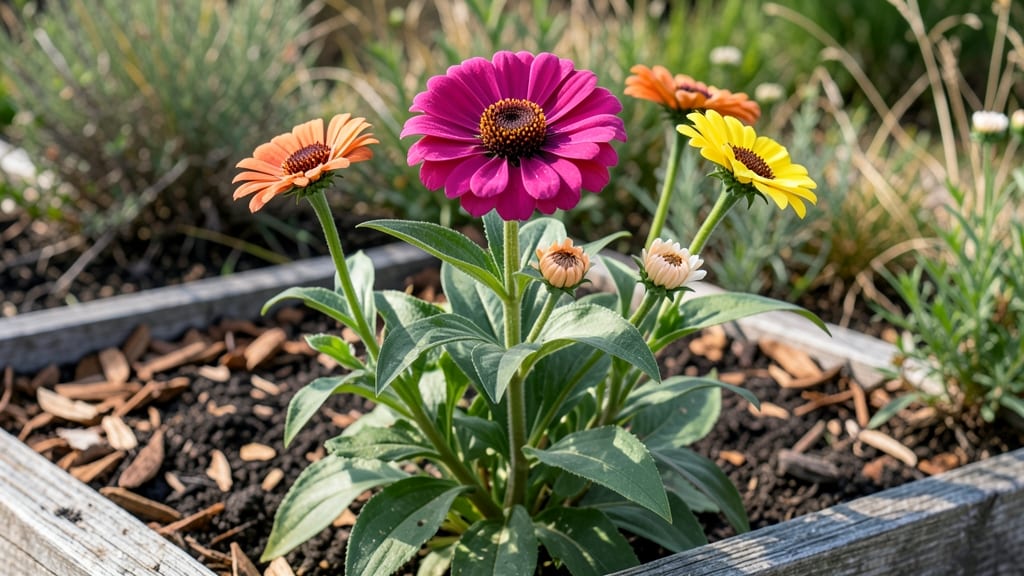
Zinnia flower height can range from just 6 inches to over 4 feet, turning your garden into a vibrant vertical display or a low, bushy border depending on the variety you choose.
If you’ve ever wondered whether your zinnias will tower over your garden or stay compact, their height depends on variety, care, and support—all factors that can transform a wild, floppy plant into a stunning, sturdy centerpiece.
Some zinnias, like the Thumbelina series, stay under a foot tall, perfect for window boxes or edging, while others, such as the Benary’s Giant, can reach almost 5 feet with the right conditions.
The key to managing their height lies in understanding their genetics and how sunlight, soil, and pruning play a role.
In this guide, you’ll discover how to choose the right variety for your space, when to stake them for support, and 5 pro tips to control their growth naturally—so you can enjoy zinnias that are both beautiful and well-behaved in your garden.

Zinnia flower height by variety: dwarf to giant types explained
Choosing zinnias for your garden isn’t just about color—it’s about height control. Some varieties stay as short as 6 inches, perfect for containers, while others reach 5 feet or taller, making dramatic backdrops.
The right variety can transform your space from a whimsical cottage garden to a bold, structured border. Let’s explore how height varies by type and what that means for your planting plan.
Zinnia heights aren’t just about genetics; sunlight exposure, soil fertility, and pruning habits can push a 1-foot dwarf to 2 feet or shrink a 4-foot giant to 3 feet.
But with the right variety, you’ll get predictable growth—ideal for container gardening, cut flower arrangements, or border plantings. Below, we break down the most popular zinnias by height, so you can pick the perfect fit for your vision.
Pro Tip: Always check seed packets or plant tags for mature height—this tells you the maximum potential, not the guaranteed size. For example, a 2-foot zinnia might top out at 18 inches in partial shade but stretch to 3 feet in full sun.
| Variety | Height Range | Best For | Spacing |
|---|---|---|---|
| Thumbelina Series | 6–12 inches | Containers, window boxes | 6–8 inches apart |
| Crystal Series | 12–18 inches | Front borders, cut flowers | 10–12 inches apart |
| Benary’s Giant | 3–5 feet | Backdrop, cut stems | 18–24 inches apart |
| Profusion Series | 1–2 feet | Mass plantings, pollinators | 8–10 inches apart |
| State Fair | 2–3 feet | Mixed borders, cut arrangements | 12–15 inches apart |
| Zahara Series | 18–24 inches | Pollinator gardens, containers | 10–12 inches apart |
If you’re growing zinnias for cut flowers, the tallest varieties like Benary’s Giant or State Fair are your best bet—they produce long, sturdy stems that hold up in bouquets.
But if you’re short on space, Thumbelina or Crystal Series zinnias fit perfectly in hanging baskets or small pots on patios.
For pollinator gardens, Profusion Series zinnias are a game-changer. Their compact height (1–2 feet) and dense blooms attract butterflies and bees without overwhelming your space. Plus, their self-cleaning flowers mean fewer deadheads to remove—just snip spent blooms to encourage more flowers.
One common mistake? Overcrowding taller zinnias. A 4-foot zinnia needs 18–24 inches of space to avoid competing for sunlight and flopping over. If you’re planting in rows, leave extra room between giant varieties and dwarf types to prevent shading issues.
For example, pair Thumbelina zinnias (6–12 inches) with salvias or ornamental grasses that also stay short.
Did you know? Zinnia height can vary by up to 12 inches depending on growing conditions. A 2-foot zinnia in poor soil might only reach 18 inches, while the same variety in rich, well-drained soil with regular feeding could hit 3 feet.
Always test your soil’s pH (6.0–7.0 is ideal)
When and how to stake zinnia flowers for maximum height
Zinnias are stunning garden stars, but their height and stability can vary wildly—especially in windy conditions or when they reach maturity. Tall varieties like 'Benary's Giant' can top 4 feet, while dwarf types like 'Thumbelina' stay under 12 inches.
Without proper support, even sturdy types can flop, ruining their showstopping potential. The key is knowing when to stake and using the right techniques to keep them upright without damaging delicate stems.
I’ve learned the hard way that waiting too long to stake zinnias leads to bent stems and broken blooms. The best time to act is when plants reach 50% of their mature height—usually 12-18 inches tall—or when you notice the first signs of leaning.
For wind-prone areas, I stake earlier (around 10-12 inches) to prevent toppling. Let’s break down the exact steps to keep your zinnias standing tall and proud.
How to Stake Zinnias for Maximum Height
- 🌱 Choose the right stakes: Use bamboo stakes (3-4 feet tall) for tall varieties or smaller garden stakes (12-18 inches) for dwarfs. Spiral ties or soft plant clips work best to avoid stem damage.
- 📏 Measure and position: Insert stakes 2-3 inches away from the main stem (not touching it) to avoid restricting growth. For multiple stems, use a cage or tomato support instead.
- ✂️ Trim stems gently: Before attaching, snip any weak or leggy stems at a 45-degree angle to encourage bushier growth. This reduces flopping later.
- 🔄 Secure loosely: Tie stems to the stake with soft ties, leaving room to grow. Check ties every 7-10 days and adjust as the plant grows—never tie too tight!
- 💧 Water deeply after staking: Helps stabilize the plant and encourages root growth. Morning watering prevents fungal issues from damp foliage.
- 🌿 Deadhead regularly: Removing spent blooms redirects energy to new growth and keeps the plant upright. Pinch back 1/3 of the stem to promote branching.
For windy gardens, I swear by windbreaks or trellises instead of single stakes. Plant zinnias near a fence or tall shrubs to create natural shelter, or use flexible stakes that bend with the wind.
Avoid rigid metal stakes—they can snap stems if the plant sways too much. Pro tip: Mix zinnias with taller sunflowers; the sunflowers act as living windbreaks while adding height contrast.
One mistake I made early on was using wire ties or zip ties—they cut into stems as the plant grew. Always opt for fabric ties or Velcro plant straps, which stretch with the plant.
If you’re growing zinnias in containers, choose wide pots (at least 12 inches in diameter) and stake them earlier since they have less root stability. Container zinnias also benefit from weighted stakes (like buried rocks at the base) to prevent tipping.
Remember, staking isn’t just about height—it’s about preserving blooms and extending the season. Staked zinnias stay drier, reducing fungal risks, and their upright form makes them perfect for cut flower arrangements.
With the right support, your zinnias will reach their full potential, turning your garden into a vibrant, structured masterpiece. Happy staking!