
Light Requirements
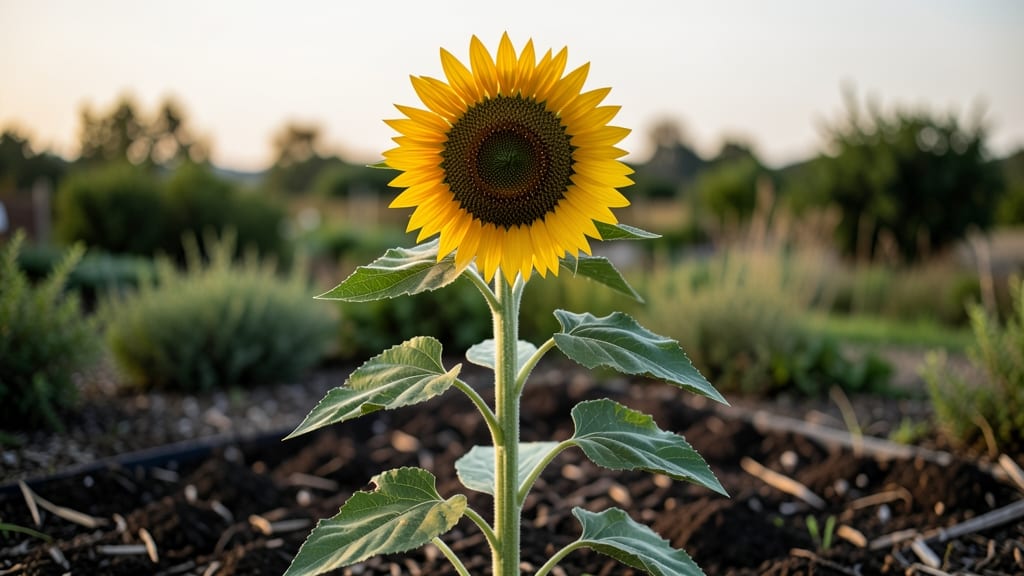
Sunflowers need sun to grow tall and bloom brightly, and the right amount makes all the difference between a 6-foot giant and a sad, leggy stem.
If you’ve ever planted sunflowers expecting a majestic bloom—only to watch them wilt into sad, spindly stems—you’re not alone. The truth is, these sun-loving plants thrive in full sun, but even a little shade can stunt their growth and delay those iconic golden faces.
Whether you’re working with a sunny backyard or a partially shaded patch, I’ll show you how to position them for maximum height and vibrancy.
Sunlight isn’t just about hours—it’s about intensity. Direct rays fuel photosynthesis, which is how sunflowers build their towering stems and energy-rich seeds. Without enough light, they’ll stretch toward the sky, weaken, and often fail to flower at all.
But don’t worry: even if your garden isn’t a sun-soaked paradise, there are smart ways to give them the light they crave.
In this guide, you’ll learn the ideal sunlight hours for sunflowers, how to spot signs of light deprivation, and practical tricks to boost their growth—whether you’re dealing with morning shade, afternoon clouds, or just a less-than-perfect spot. Let’s get those sunflowers reaching for the sky!

How much sun do sunflowers need for optimal growth?
Sunflowers are one of nature’s most sun-worshipping plants, and their love affair with sunlight isn’t just a quirk—it’s a biological necessity. These towering beauties rely on photosynthesis to fuel their rapid growth, and without enough light, they’ll struggle to reach their full potential.
The minimum daily exposure for healthy sunflowers is 6-8 hours of direct sunlight, but many varieties thrive with even more—up to 10+ hours—especially in hot climates. This isn’t just about height; sunlight directly impacts bloom size, seed production, and even stem strength.
Think of sunlight as the fuel for sunflowers’ growth engine. During photosynthesis, their leaves convert light energy into glucose, which powers everything from leaf expansion to flower development.
Without sufficient light, sunflowers may produce smaller blooms or fewer seeds, and their stems can become weak and prone to lodging (falling over). Even the color intensity of their petals can fade in low-light conditions.
If you’ve ever grown sunflowers that barely topped your fence, chances are they weren’t getting enough sunlight to stretch toward the sky.
Here’s the catch: not all sunlight is created equal. Direct sunlight (full sun) is ideal, but partial shade can still work—with caveats.
Morning sun paired with afternoon shade is better than deep shade all day, but even this setup can lead to stunted growth if the sunflowers don’t get enough light overall.
For example, a dwarf variety like ‘Teddy Bear’ might tolerate 4-6 hours of sun, while a giant variety like ‘Mammoth’ will demand full sun to reach its 12-foot height. Understanding these nuances is key to growing sunflowers that live up to their reputation.
The science behind sunflowers’ sunlight obsession lies in their chlorophyll content and leaf structure. Sunflowers have large, broad leaves designed to capture as much light as possible, and their photosynthetic efficiency peaks under full sun.
When deprived of light, they enter a survival mode, diverting energy to leaf growth rather than flower production. This is why sunflowers grown in low-light conditions often develop long, leggy stems with tiny blooms—a classic sign of light starvation.
Even the seed production suffers, as the plant prioritizes basic functions over reproductive growth.
If you’re growing sunflowers in a container or urban garden, sunlight becomes even more critical. Pots have limited root zones, so sunflowers in containers need more intense light to compensate.
Place them in the sunniest spot possible, like a south-facing patio or near a reflective surface (like a white wall or water feature) to bounce extra light onto their leaves.
Without enough sun, container-grown sunflowers may barely reach 1-2 feet tall, no matter how much you water or fertilize them.
Another factor to consider is the intensity of sunlight, not just the duration. Sunflowers thrive in bright, direct light, especially during their vegetative growth phase (the first 6-8 weeks).
If you’re in a region with hot, intense sunlight (like the Southwest U.S.), your sunflowers might need afternoon shade to prevent leaf scorch, but they’ll still need full morning sun. Conversely, in northern climates with weaker sunlight, sunflowers may need more hours of exposure to compensate.
Pay attention to how your local sun behaves—sunflowers are adaptable, but they won’t tolerate deep shade or dappled light from trees.
Let’s talk about what happens when sunflowers don’t get enough
What happens when sunflowers don’t get enough sun?
Sunflowers are sun worshippers by nature, and when they don’t get their full-sun fix, their growth suffers dramatically. Without adequate light, these towering beauties can become stunted shadows of their potential.
The first signs of sun deprivation often appear as weak stems and small, sparse leaves, signaling that your sunflowers are struggling to photosynthesize efficiently.
Even worse, sun-starved sunflowers may skip blooming entirely, leaving you with nothing but a sad, spindly plant. The flower buds fail to develop, and the plant’s energy goes toward survival rather than producing those iconic golden blooms we all love.
If you’ve noticed your sunflowers leaning or stretching toward the light, it’s a clear cry for help.
⚠️ Warning: Sunflower Sun Deprivation
Sunflowers need 6-8+ hours of direct sunlight daily. Without it, they’ll exhibit these red flags:
- Leggy stems (stretching toward light)
- Yellowing leaves (chlorosis from poor photosynthesis)
- No blooms (energy diverted to survival)
- Weak, floppy growth (structural instability)
If you see these signs, act fast—sunflowers won’t recover from prolonged shade once planted.
Diagnosing a light deficiency in sunflowers is easier than you think. Start by observing their growth pattern: are they leaning? Are their leaves pale or yellowing? These are classic signs of insufficient sunlight.
Another clue is the location of your garden—if tall trees, buildings, or fences block sunlight for most of the day, your sunflowers are likely suffering.
Urban gardeners often face this challenge, especially in north-facing yards or tight spaces. Even seasonal changes can affect sunlight exposure—early spring or late fall may not provide enough hours of direct light.
If your sunflowers are planted in partial shade, they’ll still grow, but expect smaller blooms and weaker stems.
Fortunately, there are actionable fixes to help sunflowers thrive in less-than-ideal conditions. Start by relocating plants to sunnier spots, even if it means moving them closer to a south-facing fence or wall.
For urban gardens, consider reflective surfaces like white walls or mirrors to bounce extra light onto your plants.
If shade is unavoidable, opt for dwarf sunflower varieties like ‘Teddy Bear’ or ‘Moulin Rouge,’ which tolerate partial sun better than their towering cousins. And remember: container gardening gives you the flexibility to move sunflowers as the sun shifts throughout the day.
With the right adjustments, even shade-loving gardens can grow healthy, happy sunflowers—though they may never reach their full 10-foot glory. The key is observation and adaptability. 🌻