
Size
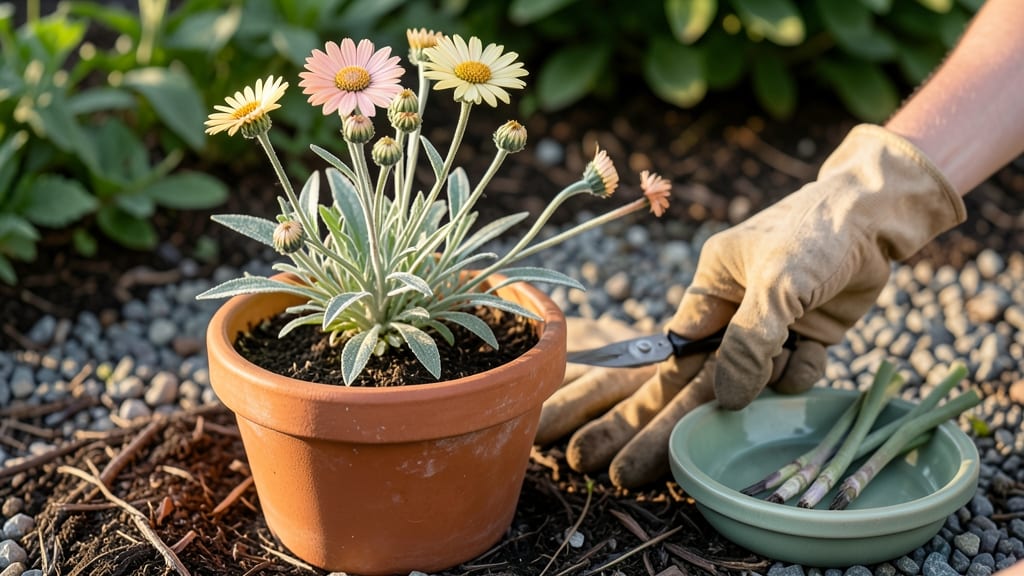
You should pinch strawflower 🌼 to encourage bushier growth and longer blooms, but timing and technique make all the difference.
Struggling to keep your strawflower blooming all season? The secret might be hiding in your pruning habits—pinching at the right time can transform a sparse plant into a lush, long-flowering beauty.
Pinching works by redirecting the plant’s energy from tall, leggy stems toward producing more side shoots and flowers. For strawflowers, this means more vibrant blooms and a fuller, more compact shape.
In this guide, I’ll walk you through when to pinch (spring vs. summer), how to do it correctly, and the tools you’ll need to avoid common mistakes that can stunt growth.
Why and when to pinch strawflowers for maximum blooms
If you've ever wondered why your strawflowers (Xerochrysum bracteatum) look leggy or produce fewer blooms, pinching might be the game-changer you need. This simple technique manipulates your plant's growth hormones to encourage bushier stems and longer flowering cycles.
By removing the top growth, you trigger the plant to produce more side shoots, each capable of bearing vibrant blooms.
Pinching works by redirecting the plant's energy from vertical growth to lateral branching. When you remove the apical bud (the topmost growing point), the plant releases auxin hormones that stimulate dormant buds along the stem.
This natural response creates a fuller, more compact plant with more flower stems and extended blooming periods.
Timing is everything when it comes to pinching strawflowers. The ideal window is during the early spring when the plant is actively growing but hasn't yet reached its mature height.
For most gardeners in USDA zones 5-10, this typically falls between April and early May, just as new growth emerges after the last frost.
Here's why spring pinching works best: the plant has plenty of time to recover and develop new branches before entering its peak flowering season (usually summer through fall). Pinching too late in the season can stunt growth and reduce your plant's ability to produce blooms before winter dormancy sets in.
| Growth Stage | Pinching Action | Benefits | Best Time |
|---|---|---|---|
| Seedling Stage | No pinching needed | Allow roots to establish | First 4-6 weeks |
| Early Spring Growth | Pinch above 4th leaf pair | Encourages 3-5 side branches | April-May (USDA 5-10) |
| Summer Regrowth | Optional light pinch | Promotes secondary blooms | June-July (if needed) |
| Late Summer | No pinching | Allow energy for blooms | August-September |
| Fall Preparation | Remove dead stems | Prevents disease | October-November |
The science behind pinching is fascinating. When you remove the apical bud, the plant's cytokinins (growth hormones) redistribute from the top to the lateral buds. This hormonal shift causes the dormant side buds to wake up and begin growing, creating a bushier structure with more potential bloom sites.
Studies show that properly pinched strawflowers can produce up to 30% more flowers than unpinched plants.
For gardeners in warmer climates (USDA zones 8-10), you might consider a second light pinch in early summer. This can stimulate a second flush of blooms, extending your plant's flowering season by several weeks.
However, be cautious—over-pinching can stress the plant and reduce its overall vigor. A single spring pinch is often sufficient for most gardeners.
One common misconception is that pinching works the same way for all plants. Unlike tomatoes or basil, strawflowers respond best to minimal pinching. Over-aggressive pruning can lead to sparse growth and fewer blooms.
The goal is to encourage branching, not to create a dense hedge. Aim to remove just the top set of leaves, leaving several leaf pairs below to support photosynthesis.
After pinching, your strawflower will need time to recover. Expect to see new growth emerging from the lateral buds within 2-3 weeks. During this recovery period, maintain consistent watering (about 1 cup per week) and ensure your plant receives full sun exposure (6+ hours daily).
The combination of proper pinching and optimal growing conditions will reward you with a fuller, longer-blooming strawflower that's the envy of your garden.
Remember that every plant is unique, so monitor your strawflower's response to pinching. If you notice excessive leaf growth with few blooms, you may have pinched too late in the season. Adjust your timing next year based on your plant's specific growth patterns and your local climate conditions.
Step-by-step guide to pinching strawflowers correctly
Pinching strawflowers (Xerochrysum bracteatum) is one of the simplest ways to encourage bushier growth and longer blooming seasons. By removing the topmost set of leaves, you signal the plant to focus energy on side shoots instead of just one tall stem.
This technique works best when done early in the plant's life cycle, but even mature strawflowers benefit from strategic pinching.
Timing is everything with strawflowers. In USDA zones 5-7, aim to pinch young plants in late spring (after the last frost) when they have at least 4-6 sets of true leaves.
Gardeners in zones 8-10 can pinch as early as March or April to take advantage of longer growing seasons. Avoid pinching during extreme heat or drought, as stressed plants won't recover well.
Before you begin, gather your tools: sharp pruning shears (for thicker stems) or your clean fingers (for delicate pinching). Disinfect your tools with rubbing alcohol to prevent spreading disease. You'll also want a small notebook to track when you pinch each plant—this helps maintain consistency across your garden.
How to Pinch Strawflowers
- 1 Identify the pinch point: Locate the 4th or 5th set of leaves from the top. This is where you'll make your cut—just above the leaf node (the small bump where leaves grow).
- 2 Use clean tools: Snip just above the node with sharp shears or pinch off the stem with your fingers. Leave 2-3 sets of leaves below your cut to ensure the plant can photosynthesize.
- 3 Repeat for side shoots: Once the main stem develops 3-4 new side shoots (about 4-6 weeks later), pinch each side shoot at its 4th leaf node to encourage even more branching.
- 4 Monitor for new growth: After pinching, water deeply but lightly to reduce stress. New growth should appear within 2-3 weeks. If you see yellowing leaves, reduce watering slightly.
- 5 Adjust for your zone: In cooler zones (5-7), pinch once in spring and again in early summer if growth slows. In warmer zones (8-10), you can pinch twice in spring for continuous blooms.
After pinching, your strawflowers will need extra care to recover. Place young plants in a bright, indirect light spot for a few days to reduce stress. Avoid fertilizing immediately—wait 2-3 weeks to allow roots to adjust.
Once new growth appears, resume your balanced fertilizer routine (5-10-10) every 4-6 weeks during the growing season.
Pinched strawflowers typically bloom 6-8 weeks later than unpinched plants, but the trade-off is 2-3 times more flowers per plant. For example, a single unpinched strawflower might produce 10-15 blooms, while a properly pinched plant can yield 30-50 flowers over the season.
This makes pinching especially worthwhile for cut flower gardens or dried flower arrangements.
Remember, consistency is key. Pinch your strawflowers at the same stage of growth each time, and you'll see dramatic improvements in plant shape, bloom quantity, and seasonal longevity. With practice, you'll develop an eye for the perfect pinch point—where science meets art in your garden! 🌼