Flowers
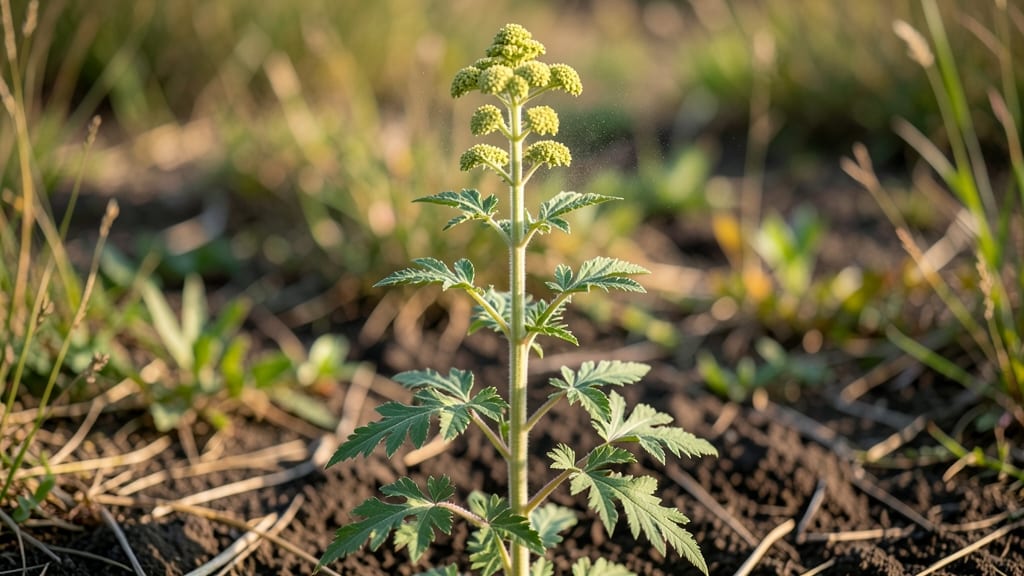
Ragweed does flower 🌾, and those tiny blooms are the reason millions of people reach for allergy meds every fall.
If you’ve ever wondered why your allergies flare up in late summer and fall, the culprit might be ragweed—but does it actually flower? The answer reveals why this plant is a seasonal nightmare for millions.
These unassuming weeds produce thousands of pollen grains per flower, and just one plant can send clouds of it drifting for miles. That’s why even if you don’t see the flowers, you’re still feeling the effects.
Below, I’ll show you how to spot ragweed before it flowers, why timing matters for control, and the 3 key steps to reduce its spread in your yard.
When and how ragweed flowers: seasonal timeline & growth stages
Yes, ragweed does flower, and its blooms are the root cause of those infamous late-summer allergies. Unlike many ornamental plants, ragweed produces tiny, greenish-yellow flowers that go largely unnoticed—until their pollen takes over.
These flowers don't resemble traditional showy blooms but are packed with male and female flowers on the same plant, making them incredibly efficient pollen producers.
The flowering cycle begins in early summer (June–July) but peaks dramatically in August through October, aligning with allergy season. This timing isn't coincidental—ragweed's pollen release coincides with dry, windy conditions, perfect for spreading allergens across neighborhoods and gardens.
Ragweed thrives in disturbed soils, such as construction sites, roadsides, and even garden beds where soil has been recently turned. Its seeds germinate easily in full sun and poorly managed soil, giving it a competitive edge over other plants.
Once established, a single ragweed plant can produce 1 billion pollen grains per season.
| Stage | Key Characteristics | Timeframe | Allergy Impact |
|---|---|---|---|
| Seed Germination | Seeds sprout in disturbed, sunny soils | Spring (April–May) | Low (no pollen yet) |
| Vegetative Growth | Rapid stem and leaf development | Summer (June–July) | Moderate (leaf debris may irritate) |
| Early Flowering | Small greenish flowers appear on stems | Late July–August | High (pollen release begins) |
| Peak Bloom | Massive pollen production from male flowers | August–October | Extreme (worst allergy season) |
| Seed Production | Female flowers develop spiky seed heads | September–November | Low (pollen decreases) |
The male flowers of ragweed are the real culprits behind allergies. They produce lightweight, windborne pollen that travels up to 400 miles from its source.
These flowers grow in clusters along the plant's stems and release pollen continuously during peak bloom, often when humidity is low and winds are high—ideal conditions for spreading allergens.
Female flowers, on the other hand, are less noticeable but equally important for ragweed's survival. They develop into spiky seed heads that can remain dormant in the soil for years, ensuring new plants emerge each season.
These seeds are a gardener's nightmare, as they can lie dormant for 40+ years before germinating.
Ragweed’s growth stages are directly tied to its allergic impact. The plant starts small in spring but grows aggressively by summer, reaching heights of 3–5 feet by peak bloom. Its deep root system allows it to outcompete other plants, making it difficult to eradicate once established.
Gardeners often mistake young ragweed for harmless weeds, only to discover its true nature when flowers appear.
Understanding these stages is key to preventing ragweed growth. For example, removing plants before they flower (June–July) can drastically reduce pollen production. However, the challenge lies in identifying ragweed early—its leaves resemble those of ambrosia or pigweed, and its flowers blend into green foliage.
If you're dealing with ragweed in your garden, focus on soil disturbance control and competitive planting. Dense ground covers or mulch can suppress new growth, while regular monitoring helps catch young plants before they flower. Even a single plant can trigger allergies, so proactive management is essential.
🌾 Remember, ragweed’s flowers may be subtle, but their impact is anything but. Staying ahead of its growth cycle is the best way to protect your garden—and your allergies—this season.
Ragweed flowering vs. allergy seasons: why they don’t always align
Ragweed does flower, but its allergic impact doesn’t always match its bloom cycle. While most plants fade after flowering, ragweed’s male flowers release pollen for weeks beyond the visible blooms—creating a mismatch between what you see and what you feel.
The female flowers (tiny and green) produce seeds, but it’s the male flowers (greenish-yellow clusters) that trigger allergies. These male flowers release pollen clouds that can travel up to 400 miles on wind currents, long after the flowers themselves look spent.
This disconnect explains why allergy symptoms peak in September and October, even though ragweed’s main flowering occurs from August through October. The pollen lingers in the air, creating a delayed but potent reaction.
⚠️ Does Ragweed Flower? Yes—but Here’s the Catch
Ragweed flowers are not the pretty kind—they’re tiny, greenish-yellow clusters that most people overlook. The real problem isn’t the flowers themselves but the massive pollen clouds released by male plants. These clouds can travel hundreds of miles and stay airborne for weeks, even after the flowers fade.
Key misconception: You might think allergies end when flowers disappear—but pollen persists in the air long after blooms drop. This is why ragweed allergies worsen in late summer, even if the plant looks "done."
The pollen’s longevity is due to its lightweight, sticky structure, which clings to air currents. A single ragweed plant can produce 1 billion pollen grains, and even dead plants release trapped pollen.
This explains why allergies don’t align with flowering seasons—they’re a delayed reaction to pollen already in the air.
If you’re a gardener, this means prevention is key. Removing ragweed before flowering (late spring to early summer) can drastically reduce your exposure. But even then, pollen from neighboring fields or roadsides can still trigger symptoms.
Understanding this flowering vs. allergy timeline helps explain why September is the worst month for ragweed allergies—even though the flowers may have already faded. The pollen’s delayed release keeps the air thick with allergens long after the blooms are gone.
For gardeners, this means early intervention is your best defense. Pull young plants before they flower, and consider mulching heavily to suppress regrowth. The earlier you act, the less pollen will spread—and the fewer allergy symptoms you’ll face later in the year.