
Flowers
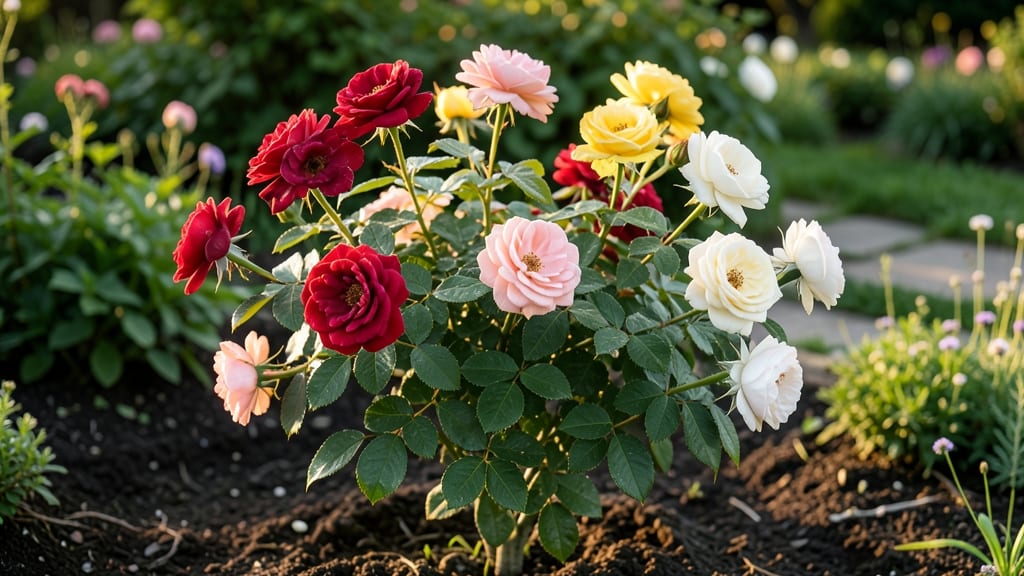
The flowering season of roses spans from late spring through fall, but the exact months depend on your USDA zone and rose variety—something that can turn a few weeks of color into months of show-stopping blooms.
Picture this: you’ve just planted your 🌹 in April, eager for summer’s first blush, only to realize your hybrid tea isn’t budding until June. Or worse, your climber fades by August when the heat arrives.
The truth? Roses don’t follow a one-size-fits-all schedule, and knowing your zone’s rhythm is the key to planning ahead.
In Zone 6a, where spring arrives slowly, roses typically kick off in May with a peak in June and July, while tropical zones like Florida enjoy near-year-round blooms. But it’s not just about the calendar—pruning, sunlight, and even soil health can shift those bloom windows by weeks.
Below, I’ll break down the exact months for your zone, plus pro tips to stretch your rose’s season from first bud to final frost.
Whether you’re growing Knock Out roses that bloom all summer or heirloom varieties with a single, dramatic flush, this guide ensures you’ll never miss a bloom—just the right preparation.
Flowering season of rose by USDA zone: exact months for peak blooms
Roses are nature’s most romantic blooms, but their flowering season depends entirely on your USDA zone. In colder zones like 3-5, expect shorter seasons with late spring peaks, while warmer zones 8-10 enjoy extended blooms from early spring to frost.
Daylight hours and temperature triggers also play critical roles—knowing these patterns helps you choose the right varieties and care for them at the perfect times.
For example, hybrid teas and grandifloras thrive in zones 6-9 with June-August peaks, while Knock Out roses (a disease-resistant favorite) bloom nearly year-round in zones 4-10.
Even within a zone, early bloomers like David Austin English roses may start as early as April, while late-season climbers can extend color into October in mild climates.
Here’s how to plan for your roses’ peak blooms based on your zone, including temperature thresholds and daylight triggers that kickstart flowering:
In zones 3-4, roses need warmer temperatures (60°F+) to break dormancy, which is why their peak blooms align with June-July.
If you live here, plant hardy varieties like Dr. Huey or Bonica, which tolerate colder snaps. Daylight length also matters—roses in these zones require 14+ hours of light to trigger flowering, so supplement with grow lights if needed for early blooms.
For zones 5-6, the flowering season stretches longer, from May through August, thanks to milder winters. Here, hybrid teas and floribundas shine, but late-season pruning in September can coax extra blooms into October.
The key is ensuring soil stays 60-75°F—cooler springs delay blooms, while heatwaves can stress plants.
Warmer climates in zones 7-8 reward gardeners with year-round blooms, though peaks occur in spring and fall. Climbers like ‘New Dawn’ and shrub roses like ‘Knock Out’ thrive here, producing continuous blooms if deadheaded regularly.
In these zones, pest pressure (like aphids) rises in summer, so neem oil sprays can preserve flower quality.
Gardeners in zones 9-10 enjoy the most luxurious rose seasons, with blooms from February to December.
Varieties like ‘Iceberg’ and ‘Double Delight’ perform exceptionally well, but heat stress (above 90°F) can cause buds to drop. Mulching deeply and watering at soil level (not overhead) helps maintain hydration without fungal risks.
One common misconception is that roses bloom only once per season. In reality, repeat-blooming varieties (like hybrid teas) produce multiple flushes if pruned correctly. For example, spring pruning in zones 6-9 encourages summer blooms, while light fall pruning can extend color into autumn.
Always prune after the last frost to avoid damaging tender new growth.
To maximize your roses’ flowering potential, monitor local frost dates and adjust care accordingly. In zones 3-5, protect blooms with row covers if frost threatens in September. Meanwhile, zones 8-10 may need
How to extend your rose’s flowering season naturally
Roses are nature’s showstoppers, but their flowering season can feel short if you don’t give them the right care. With the right techniques, you can transform a single summer burst of blooms into a continuous display from spring to fall.
The secret lies in understanding your roses’ needs—whether you’re in hot Zone 9 or cool Zone 5—and adapting your approach to your climate.
Many gardeners assume roses bloom once and fade, but repeat-blooming varieties like Knock Out roses or David Austin English roses can keep producing flowers with the right care. The key is a mix of pruning strategies, soil health, and seasonal feeding.
Let’s break down the proven methods to keep your roses in full bloom longer, tailored to your growing conditions.
-
1. Strategic Pruning
Prune late winter (before buds swell) to remove dead wood and shape the plant. For continuous blooms, do a light pruning after the first flush of flowers to encourage new growth.
-
2. Soil Amendments
Add compost or aged manure in early spring to boost nutrients. Roses thrive in well-draining, slightly acidic soil (pH 6.0-6.5). Test your soil and amend with sulfur if needed.
-
3. Seasonal Fertilizing
Feed roses every 4-6 weeks during growing season with a balanced fertilizer (10-10-10). In late summer, switch to a low-nitrogen, high-phosphorus fertilizer to promote fall blooms.
-
4. Deep Watering
Water deeply 1-2 times per week (more in hot zones) to encourage strong root growth. Avoid wetting foliage to prevent fungal diseases like black spot.
-
5. Mulching
Apply 2-3 inches of mulch (like shredded bark) to retain moisture and regulate soil temperature. Mulch also suppresses weeds that compete for nutrients.
-
6. Deadheading
Remove spent blooms regularly to prevent seed formation, which diverts energy from new flowers. Use clean, sharp pruners to avoid damaging stems.
-
7. Pest & Disease Control
Monitor for aphids, Japanese beetles, or powdery mildew. Use neem oil or insecticidal soap for pests, and ensure good airflow to prevent fungal issues.
One of the biggest mistakes I see gardeners make is over-pruning in summer, which stresses the plant and cuts off new blooms. Instead, focus on light trimming after each flush of flowers to redirect energy to fresh growth.
For example, if your roses bloom heavily in June, prune lightly in July to encourage another round by August.
In warmer climates (Zones 8-10), roses may need extra attention to avoid heat stress. Provide afternoon shade during peak summer months and increase watering frequency. In cooler zones (Zones 3-6), focus on early spring feeding and fall mulching to protect roots from freezing temperatures.
With these techniques, you can enjoy roses in bloom for 4-6 months instead of just a few weeks. Start with one method this season—like deadheading or seasonal fertilizingvibrant, long-lasting blooms that turn heads all summer long. 🌹