
Flowers
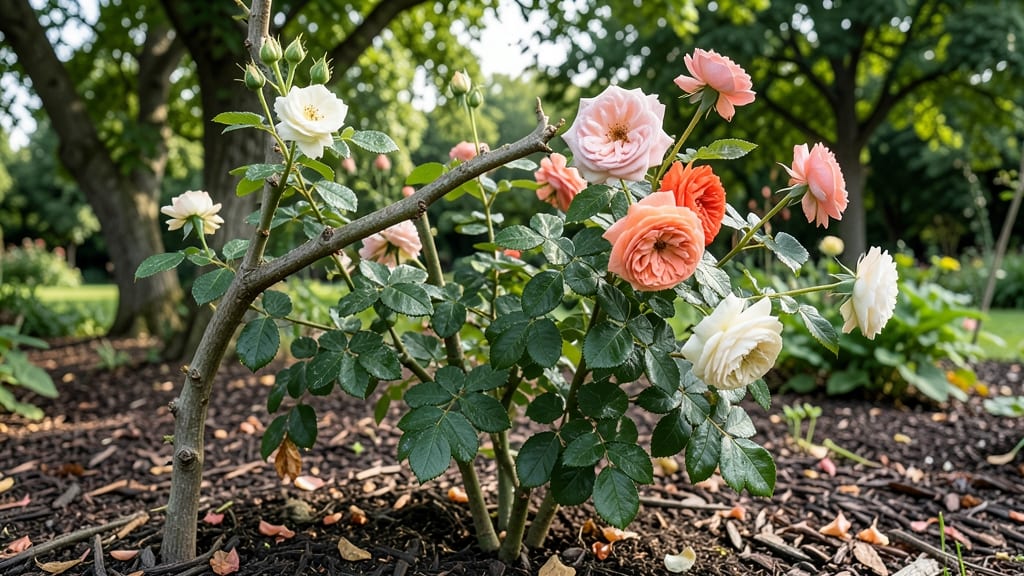
Climbing roses flower at different times depending on the variety and your hardiness zone, with some bursting into bloom as early as late spring and others stretching into fall.
If you’ve ever wondered why your climbing roses bloom at different times—or why some varieties seem to flower year-round—timing is everything. Understanding bloom seasons by variety and hardiness zone can transform your garden into a cascading masterpiece, with flowers appearing in waves from early spring to late autumn.
Most climbing roses, like the classic 'New Dawn', put on their best show in late spring, while repeat-blooming varieties such as 'Blaze' or 'Zephirine Drouhin' can keep you in flowers from summer through fall.
In Zone 6a, where many gardeners live, the right pruning and care can even coax a second flush of blooms when others have faded.
Below, I’ll break down the exact bloom windows for popular varieties, how climate and pruning affect timing, and 5 pro tips to extend your climbing rose’s flowering season naturally. Whether you’re planning a trellis display or just want more blooms, this is your guide to making every season a showstopper.
Climbing rose bloom seasons by variety: spring, summer, OR repeat bloomers?
Climbing roses are garden superstars, but their bloom timing varies dramatically by variety and climate. Some burst into color just once in spring, while others reward you with continuous blooms from summer through fall.
Whether you’re dreaming of fragrant 'Zephirine Drouhin' cascading over an arbor or the bold red blooms of 'Blaze', understanding these patterns helps you plan your garden’s floral calendar.
Traditional once-blooming varieties like 'New Dawn' put all their energy into a single spectacular show, typically in late spring to early summer. In contrast, repeat-blooming hybrids (like 'The Fairy' or 'Mermaid') produce flowers in waves, often with three distinct flushes: spring, summer, and a late-season burst.
Your hardiness zone also plays a role—cooler climates may delay blooms, while warmer zones can extend the season.
Here’s how to match your climbing rose variety to your bloom goals, whether you want a season-long display or a dramatic spring highlight.
| Variety | Bloom Season | Flower Color | Notes |
|---|---|---|---|
| 'New Dawn' | Spring (May-June) | Pale pink | Classic once-bloomer; fragrant; thrives in Zones 5-9 |
| 'Blaze' | Repeat (June-Sept) | Deep red | Heat-tolerant; disease-resistant; Zones 4-10 |
| 'Zephirine Drouhin' | Repeat (May-Oct) | Pink with yellow center | Climbs aggressively; Zones 6-10; needs support |
| 'The Fairy' | Repeat (June-Sept) | Soft pink | Compact growth; great for containers; Zones 5-9 |
| 'Mermaid' | Repeat (June-Oct) | Creamy white | Disease-resistant; fragrant; Zones 5-10 |
| 'Graham Thomas' | Spring (May) | Creamy yellow | Once-blooming; old rose charm; Zones 5-9 |
If you’re planting for a spring-only spectacle, varieties like 'New Dawn' or 'Graham Thomas' deliver a one-time floral explosion that’s hard to beat. Their single bloom cycle means less maintenance but a memorable show when they peak.
These roses often bloom on old wood, so pruning must be done carefully to avoid cutting off next year’s flowers.
For continuous color, repeat-blooming hybrids like 'Blaze' or 'Mermaid' are game-changers. These varieties produce flowers on both old and new wood, allowing you to prune more aggressively in late winter to shape the plant while still encouraging new growth.
In Zones 7-10, you might even see blooms into early November if conditions are mild.
Climate plays a critical role in bloom timing. In cooler zones (3-6), spring-blooming varieties may wait until late May or June to open, while warmer zones (7-10) can enjoy earlier and longer bloom seasons.
For example, 'Zephirine Drouhin' in Zone 9 might start blooming in April, whereas in Zone 6, it could wait until mid-June.
To extend the bloom season naturally, focus on three key practices: regular pruning (after each flush for repeat bloomers), consistent watering (deep soaks 2-3 times per week), and balanced fertilization (every 4-6 weeks during growing season).
Deadheading spent blooms also signals the plant to produce more flowers, especially for repeat-blooming varieties.
Pro tip: In cooler climates, protect late-season blooms with a light frost cloth if temperatures dip below 28°F. This can preserve 'Blaze' or 'Mermaid' flowers well into October, giving you a second autumn show.
Whether you’re a patience gardener who loves the drama of a single spring bloom or a color enthusiast craving flowers all season, choosing the right climbing rose variety sets the stage for your garden’s most stunning moments. 🌹
How hardiness zones affect climbing rose flowering: a zone-by-zone guide
Your climbing roses may bloom differently depending on where you live. USDA hardiness zones play a crucial role in determining when—and how long—your roses flower. In cooler zones (3-5), frost-sensitive varieties might wait until late spring, while warmer zones (8-10) can enjoy near-year-round blooms.
The key is choosing the right variety for your climate and adjusting care to extend the flowering season.
For example, 'New Dawn', a repeat bloomer, thrives in Zones 5-9 and flowers from early summer to frost. Meanwhile, 'Zephirine Drouhin', a climber with spring-only blooms, struggles in Zone 7 and below without winter protection.
Understanding these differences helps you set realistic expectations and plan your garden for maximum impact.
Below is a zone-by-zone breakdown of when climbing roses typically flower, along with tips for extending their bloom seasons in your specific climate. Use this as your guide to selecting varieties and adjusting care routines.
| Hardiness Zone | Typical Bloom Time | Best Varieties | Climate Notes |
|---|---|---|---|
| Zones 3-5 | Late May to July (spring-only) | 'Blaze', 'F.J. Grootendorst' | Frost delays blooms; mulch heavily. |
| Zones 6-7 | June to September (repeat bloomers) | 'New Dawn', 'Rambling Rector' | Prune lightly to encourage fall blooms. |
| Zones 8-9 | March to November (near-continuous) | 'Zephirine Drouhin', 'Mermaid' | Heat-tolerant; water deeply in summer. |
| Zones 10-11 | Year-round with seasonal peaks | 'Cecile Brunner', 'Don Juan' | Provide afternoon shade to prevent stress. |
In Zones 3-5, where winters are harsh, most climbing roses bloom just once in late spring or early summer. 'Blaze', a popular choice, produces vibrant red blooms from May to July, but its growth slows dramatically in colder months.
To encourage a second flush, prune lightly in early summer and fertilize with a balanced rose food like 10-10-10.
By contrast, Zones 8-10 offer a longer bloom season, with some varieties like 'Mermaid' flowering almost continuously from spring to frost. In these warmer climates, focus on consistent watering and afternoon shade to prevent heat stress. Mulching with organic matter also helps retain moisture and regulate soil temperature.
For gardeners in transition zones (6-7), the secret to extending blooms lies in pruning and feeding. After the initial spring flush, prune back about one-third of the previous year’s growth to stimulate new shoots. Apply a low-nitrogen fertilizer in early summer to promote flowering rather than foliage growth.
No matter your zone, always choose disease-resistant varieties and monitor for pests like aphids, which can shorten bloom seasons. With the right care, your climbing roses can turn your garden into a year-round floral display, one zone at a time.