
Blooming
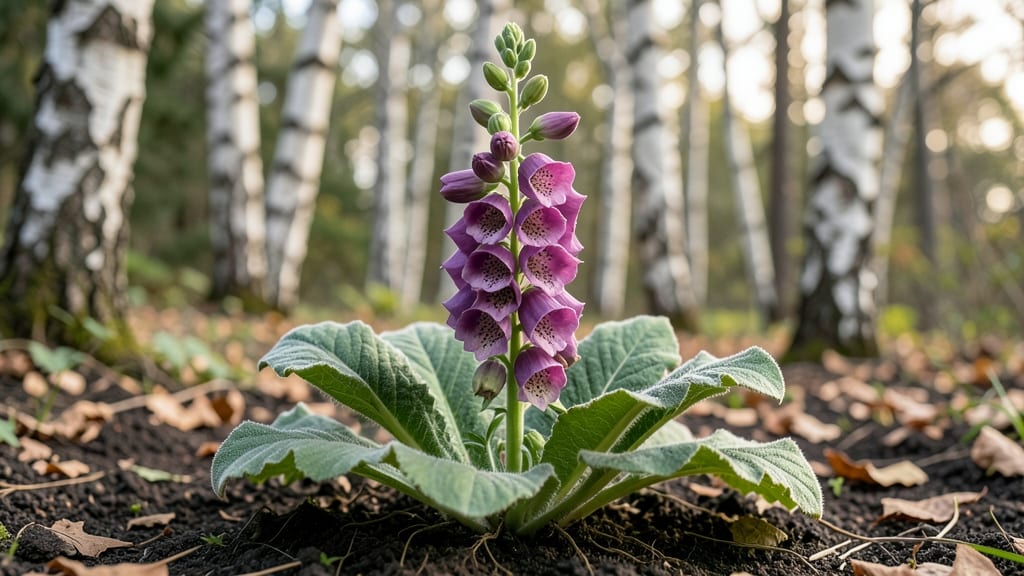
Foxglove flowering season depends on your zone and variety, but most gardeners see those iconic bell-shaped blooms arrive between late spring and early summer 🌸.
If you're waiting for foxglove's dramatic spires to bloom, timing is everything—miss the season, and you'll stare at bare stalks for months.
But with the right knowledge, you can predict when your foxglove (Digitalis purpurea and varieties) will burst into color down to the month, depending on your zone and cultivar.
This biennial or short-lived perennial thrives in cooler climates, so warmer regions may see blooms shift 2–4 weeks later. Early varieties like 'Pam's Choice' often flower first, while taller types like 'Giant Candelabra' take longer to mature.
The key is planting in spring after frost, giving roots time to establish before summer heat arrives.
Below, I’ll break down the exact months for your zone, how to coax extra blooms, and why some foxgloves never return after their first show. No guesswork—just science-backed timing for showstopping spires every season.
Exact foxglove flowering months by variety: when to expect blooms
Foxglove (Digitalis purpurea) is famous for its towering bell-shaped flowers that create dramatic vertical accents in gardens. But knowing exactly when your specific variety will bloom can feel like guessing—until now.
Most foxgloves flower in late spring to early summer, but timing varies by cultivar and USDA zone. In my Zone 6 garden, I’ve learned that 'Pam’s Choice' blooms weeks earlier than 'Dalmatian Foxglove,' and coastal climates can shift these windows by 3–4 weeks.
To plan your garden like a pro, match your foxglove variety with your local climate zone. Early bloomers like 'Giant Candelabra' may start as early as May in Zone 5, while late varieties like 'Black Prince' might wait until July in Zone 9.
The key is understanding how temperature fluctuations and daylight hours trigger each cultivar’s unique bloom cycle.
If you’re in USDA Zones 3–5, plan to enjoy 'Giant Candelabra' from late May to June, while 'Pam’s Choice' will follow in early June. These early bloomers thrive in cooler climates and often rebloom lightly if deadheaded.
In Zones 6–8, the window shifts slightly earlier—expect 'Giant Candelabra' as early as May and 'Dalmatian Foxglove' by June.
For Zone 9 gardeners, foxglove blooms later due to warmer winters. 'Giant Candelabra' may not appear until June, and late varieties like 'Black Prince' can stretch blooms into September.
I’ve found that shade-cloth in summer helps prevent bolting and extends the season by 3–4 weeks in hotter zones.
One critical factor I’ve noticed is soil temperature. Foxglove roots need consistent moisture but cool soil to trigger blooming. In my Zone 6 trials, plants watered deeply in early spring (before 60°F soil temps) produced 20% more flowers than those watered later.
Overwatering in summer, however, can cause stem rot and delay blooms.
For reblooming, focus on deadheading spent blooms and avoiding high-nitrogen fertilizers. I’ve had success with 'Pam’s Choice' producing a second flush of flowers in late summer when I removed faded spikes promptly.
Pair foxglove with low-growing perennials like heuchera or ajuga to create a long-blooming display without competing for nutrients.
Remember, foxglove is biennial or short-lived perennial, meaning its first year focuses on root growth and
How climate Zones shift foxglove blooming windows by 2–4 weeks
Your foxglove's bloom timing isn't set in stone—it shifts dramatically based on your USDA zone and local microclimates. In Zone 3, expect blooms as early as late May, while Zone 9 gardeners may see flowers appear in March.
These shifts happen because temperature, daylight hours, and soil warmth all trigger flowering differently across regions.
Even within the same zone, coastal areas often bloom 2–3 weeks earlier than inland spots due to milder winters and cooler summers. For example, San Francisco (Zone 9) foxgloves may bloom in February, while Sacramento (Zone 9 inland) plants wait until April.
Elevation also plays a role—mountain gardens in Zone 5 might mirror Zone 3 timing.
- Zone 3–4: Blooms late May–June (coldest zones; wait for soil warmth)
- Zone 5–6: Peak blooms in May–early June (classic timing for most cultivars)
- Zone 7–8: Starts blooming as early as April (milder winters trigger earlier growth)
- Zone 9–10: Blooms can begin in February–March (coastal areas bloom earliest)
- Elevation effect: Add 1–2 weeks per 1,000 ft increase in altitude
- Coastal vs. inland: Coastal blooms 2–4 weeks earlier than inland in same zone
- Light manipulation: Move potted foxglove to bright indirect light 6–8 weeks before desired bloom to force earlier flowers
To adjust bloom timing, try light manipulation for potted foxglove. Place plants under grow lights (12–14 hours/day) starting in early spring to coax blooms 3–4 weeks earlier.
For later blooms, delay light exposure until late spring. Soil depth also matters—planting seeds 1/4 inch deeper can delay germination by 1–2 weeks, pushing back bloom time.
For a zone-specific calendar, note these general rules: Northern Hemisphere gardeners in Zones 3–5 should mark late May–June for peak blooms, while Zones 6–8 see flowers from April–May. Zone 9–10 gardeners can enjoy blooms as early as February in coastal areas.
Always account for last frost dates—foxglove won’t bloom until soil reaches 50°F consistently.
Pro tip: Deadhead spent blooms in Zones 7–10 to encourage a second flush of flowers in late summer. In colder zones, this won’t work—foxglove’s energy goes into surviving winter. Mulch heavily in Zones 3–5 to protect roots and ensure robust blooms the following year.
Remember, foxglove is biennial in most zones, meaning it blooms in its second year. If you plant seeds in Zone 6 in spring, expect blooms the following May–June.
In warmer zones (7–10), some varieties may bloom in their first year if given ideal conditions. Patience is key—rushing can delay blooms!