
Flowers
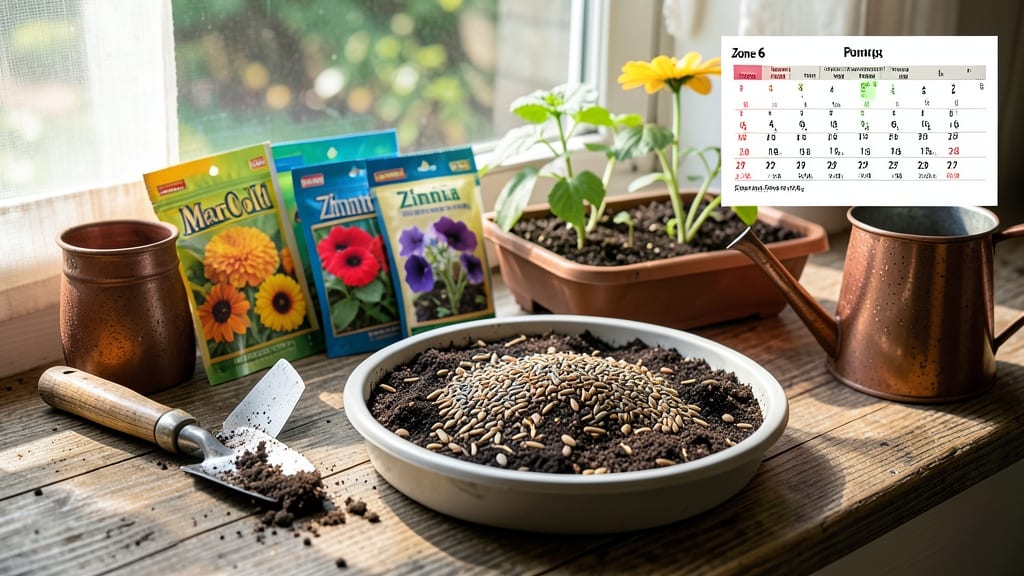
Planting flower seeds in Zone 6 at the right time ensures vibrant blooms all season—miss the window, and frost will nip your dreams before they sprout.
Timing your flower seed planting in Zone 6 can mean the difference between a vibrant summer garden and wasted effort—get the months wrong, and frost will strike before your blooms even sprout. 🌸
In Zone 6 (General), where last frosts typically arrive in mid-April and first frosts hit by mid-October, knowing when to start seeds indoors or sow directly outside is the key to success.
Below, I break down the exact months for annuals, perennials, and bulbs, plus soil prep tips and adjustments for early or late frost years to keep your garden thriving.

Zone 6 frost dates and ideal flower seed planting months
Understanding Zone 6 frost dates is the first step to successful flower seed planting. In this zone, the average last spring frost typically falls between April 15–May 1, while the first fall frost usually arrives around October 15–20.
These dates create a 165-day frost-free growing season, which directly impacts when you should sow seeds—whether directly in the garden or indoors for early starts.
For annual flowers, timing is critical because many varieties won’t survive even light frost. Perennials and cold-hardy flowers, however, can handle earlier sowing or even fall planting.
The key is balancing soil temperatures (ideally 45–75°F) with frost risks. Indoor starts can begin as early as February, while direct sowing should wait until after the last frost date.
| Planting Type | Ideal Planting Months | Soil Temp Requirement | Notes |
|---|---|---|---|
| Annuals (e.g., zinnias, marigolds) | April–June (after last frost) | 50–75°F | Sow directly after frost date; use row covers if late frost risk. |
| Perennials (e.g., coneflowers, black-eyed Susans) | March–April (or September for fall blooms) | 45–60°F | Can handle cooler soils; some benefit from fall sowing. |
| Cold-Hardy Annuals (e.g., pansies, snapdragons) | February–March (or September) | 40–55°F | Tolerate light frost; great for early/late-season color. |
| Indoor Starts (e.g., petunias, geraniums) | February–March (6–8 weeks before last frost) | 65–75°F (indoors) | Use grow lights if natural light is limited; harden off before transplanting. |
| Bulbs (e.g., tulips, daffodils) | September–October (fall) or March (spring) | 50–60°F | Plant bulbs 6–8 weeks before first frost for spring blooms. |
If you’re planting annual flowers like zinnias or sunflowers, wait until the soil temperature consistently stays above 50°F. Use a soil thermometer to check—cool soils can delay germination.
For perennials, you can push the envelope slightly earlier (as early as March), especially if you’re growing cold-hardy varieties like coneflowers or bee balm.
For indoor starts, begin sowing petunias, geraniums, or snapdragons in February under grow lights.
These need 6–8 weeks of indoor growth before transplanting outdoors after the last frost. Direct sowing of heat-loving flowers like cosmos or lantana should wait until late April or May, when nighttime temperatures stay above 55°F.
Fall is also a great time to plant cold-hardy annuals like pansies or calendulas. Sow seeds in September for blooms that last through early winter. These flowers thrive in cooler temperatures and add color to your garden when most plants have gone dormant.
Just be sure to mulch heavily to protect roots from early frosts.
Microclimates in Zone 6 can shift frost dates by 1–2 weeks, so pay attention to your local microclimate. Areas near large bodies of water or at higher elevations may experience later spring frosts, while urban areas can be warmer.
Use a frost calendar for your specific region to fine-tune your planting schedule.
Pro tip: Use row covers or cold frames to extend your growing season. These can protect young seedlings from late spring frosts or even allow you to plant cool-season flowers like sweet alyssum in early spring. Just remove covers once plants are established to prevent overheating.
Remember, seed packet instructions often provide ideal conditions, but Zone 6’s variable frost dates mean you’ll need to adjust. Start with the average frost dates, then observe your garden’s unique patterns over the years to refine your timing.
Best flowers to plant by month in Zone 6 (with success tips)
Planting flowers at the right time in Zone 6 ensures vibrant blooms and healthy growth. With last frost dates typically around mid-April and first frost arriving in mid-October, timing is everything. Some flowers thrive when sown early, while others need the warmth of summer to sprout.
Let’s break down the best flowers to plant each month, along with soil prep and care tips to maximize your garden’s potential.
Start with cool-season flowers like pansies and snapdragons in early spring. These hardy blooms can handle light frosts and will reward you with early color. As temperatures rise, shift to heat-loving annuals like zinnias and marigolds.
Fall is perfect for bulbs and perennials that need time to establish roots before winter. Each season offers unique opportunities to create a stunning, year-round garden.
- 🌸 March: Pansies and snapdragons (direct sow after last frost risk; well-draining soil)
- 🌿 April: Sweet peas and calendula (start indoors in March; transplant after frost)
- ☀️ May: Zinnias and cosmos (direct sow after soil warms to 60°F+)
- 🌻 June: Sunflowers and marigolds (sow after last frost; full sun required)
- 🌺 July: Black-eyed Susans and coneflowers (perennials; divide clumps in early fall)
- 🍂 August: Asters and goldenrod (late summer bloomers; partial shade tolerated)
- 🌱 September: Pansies and sweet alyssum (fall planting for winter color)
- 🍄 October: Tulip bulbs and crocus (plant 6 weeks before frost; well-drained soil)
For March plantings, focus on hardy annuals like pansies, which can handle light frosts. Amend your soil with compost to improve drainage, and space seeds ½ inch apart.
Thin seedlings to 6–12 inches once they’ve sprouted. Mulch lightly to retain moisture and suppress weeds. Water gently in the morning to avoid fungal issues.
When planting summer flowers like zinnias in May, wait until soil temperatures reach 60°F+. These heat-lovers thrive in full sun, so choose a south-facing spot. Sow seeds ¼ inch deep and keep soil consistently moist until germination.
Once established, reduce watering to once a week to encourage stronger stems. Deadhead spent blooms to prolong flowering.
Fall is ideal for bulbs and perennials. Plant tulip bulbs in October for stunning spring blooms. Choose a location with well-draining soil to prevent rot. Space bulbs 6 inches apart and water deeply after planting.
For perennials like asters, divide clumps in early fall to rejuvenate growth. Mulch heavily to protect roots from winter frost.
Don’t forget to adjust for microclimates in Zone 6. Urban areas may experience earlier frosts, while rural spots might stay warmer. Use row covers for early plantings or extend the season with cold frames. With these tips, your garden will bloom beautifully from spring to fall!