
Vegetables
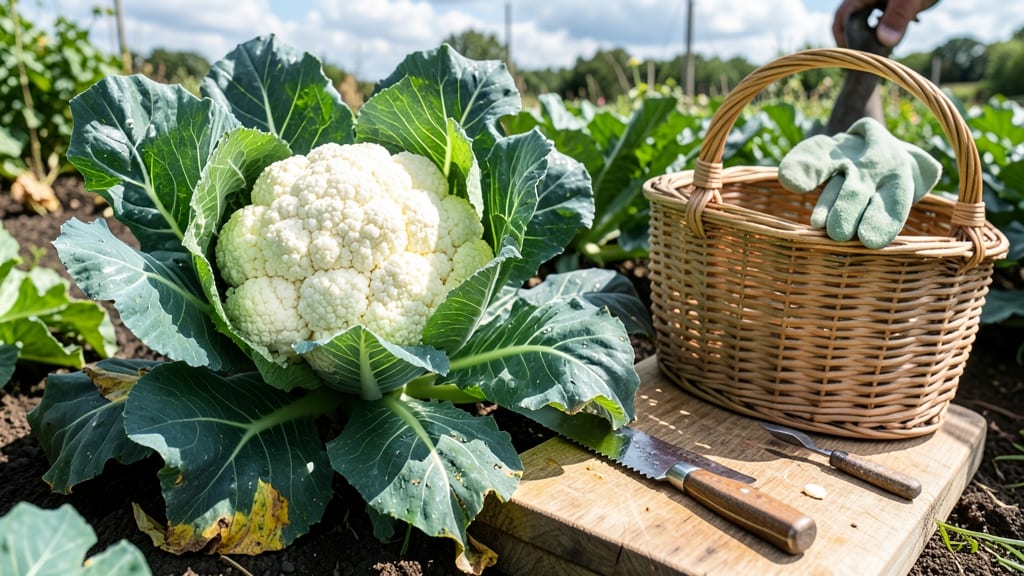
Knowing the harvest time for cauliflower can turn a perfect curd into a sad compost pile in days—because those heads don’t wait for you.
Picture this: your 🥬 plant has spent months growing sturdy stems and lush leaves, only to bolt or split overnight if you miss the window.
The difference between a tender, flavorful harvest and a bitter, overgrown mess often comes down to timing—and a few key signs you might be overlooking.
In this guide, I’ll walk you through the two unmistakable signals that your cauliflower is ready to pick, from head size to leaf color. You’ll also learn how to harvest without damaging the plant and what to do if your heads split or bolt before you’re prepared.
Whether you’re growing purple, white, or green varieties, these tips will help you extend your harvest season and keep your kitchen stocked with homegrown goodness.

2 Unmistakable signs your cauliflower heads are perfectly ripe
Harvesting cauliflower at the wrong time can turn your crisp, flavorful heads into tough, bitter disappointments. The key to perfect cauliflower lies in two unmistakable visual and tactile cues that tell you exactly when to pick.
These signs ensure your curds stay tender, compact, and full of flavor—not woody or overgrown. Missing them means risking a harvest that’s either too early (small and underdeveloped) or too late (split, yellowed, or bitter). Let’s break down what to look for so you never guess again.
First, focus on the head’s firmness and size. A perfectly ripe cauliflower head should measure 6 to 8 inches in diameter and feel solid when gently squeezed. Think of it like a dense, compact ball—not loose or spongy.
If you press lightly and the head gives slightly, it’s not ready yet. Overripe heads become woody and fibrous, making them unpleasant to eat. This tactile check is your first line of defense against harvesting too early or late.
Next, examine the outer leaves and color. The curly leaves surrounding the head should start to yellow and die back, signaling the plant is redirecting energy to the curd. If these leaves are still vibrant green and healthy, the head isn’t mature enough.
For white cauliflower varieties, the head should be a pure, creamy white with no green tinges. Purple or green varieties should maintain their deep, consistent hue without fading or browning. These color cues are your visual confirmation that the head is at peak ripeness.
Here’s where many gardeners go wrong: they assume size alone determines readiness. A large head isn’t always ripe—it could be overgrown or splitting. Similarly, a small head isn’t necessarily unripe—some varieties simply stay compact.
The combination of firmness, size, and leaf color is what guarantees a perfect harvest. Ignore one of these signs, and you risk ruining your cauliflower’s texture and taste.
| Sign | Ready Cauliflower | Not Ready Cauliflower |
|---|---|---|
| Head Size | 6-8 inches diameter | Small (<6 inches) or oversized (>8 inches) |
| Head Firmness | Firm, compact, no give | Soft, spongy, or loose |
| Leaf Color | Yellowing, dying back | Vibrant green, healthy |
| Curly Leaves | Withering, brown edges | Lush, no browning |
| Stem Test | Snaps cleanly when bent | Bends without snapping |
Let’s troubleshoot the most common mistakes gardeners make when harvesting cauliflower. If you pick your head too early, it’ll be small, loose, and underdeveloped. The leaves will still be bright green, and the curd won’t hold its shape.
On the flip side, harvesting too late leads to heads that split open, turn yellow or brown, and develop a bitter taste. The outer leaves may also crisp up and die completely, but the head itself will feel woody.
Both scenarios are avoidable if you stick to the two key signs of ripeness.
Another pro tip: check the stem for flexibility. A ripe cauliflower’s stem should snap easily when bent at the base. If it bends without breaking, the head isn’t ready. This simple test takes seconds and can save you from a disappointing harvest.
Pair it with the visual cues, and you’ll never second-guess your timing again. For purple or green varieties, ensure the color remains vibrant and even—fading or patchiness means it’s overripe.
Regional growing conditions can also affect harvest timing. In hotter climates, cauliflower may mature faster, so monitor your plants daily during peak summer months. Conversely, in cooler regions, heads might take longer to reach harvest size.
Adjust your expectations based on your local climate, but always prioritize the firmness, size, and leaf color over calendar dates. The plant itself will tell you when it’s ready—you just need to know how to listen.
Once you’ve confirmed your cauliflower is perfectly ripe, harvest it within 24 hours to preserve its texture and flavor. Use a sharp knife or pruners to cut the stem about 1 inch below the head.
This leaves room for side shoots to form, giving you a second harvest in 2-3 weeks. If you’re growing multiple varieties, like orange or Romanesco cauliflower, the same ripeness cues apply—just watch for their unique color changes.
Remember, the earlier you harvest, the better the flavor and texture. Don’t wait until the head is too large or the leaves have completely withered. Trust your eyes and fingers—they’re your best tools for a foolproof harvest. With these two signs
How to harvest cauliflower without damaging future growth
Harvesting cauliflower at the right time ensures tender, flavorful heads while preserving your plant's ability to produce secondary side shoots. The key lies in precise cutting techniques and knowing when to harvest those extra yields.
I’ve learned that even a small mistake—like cutting too close to the stem—can stunt future growth or invite pests. Let’s break down the exact steps to maximize your harvest without sacrificing your plant’s health.
First, wait until your main head reaches 6-8 inches in diameter and feels firm to the touch. This is your cue that the plant has allocated enough energy to the primary head.
If you harvest too early, the flavor will be bland, and if you wait too long, the florets will start to loosen and turn bitter. Timing is everything, and I’ll show you how to recognize the perfect moment.
- 1. Choose the right tools: Grab a sharp knife or pruning shears. Dull tools crush stems and invite rot.
- 2. Locate the stem: Find the thick, woody stem where the head meets the plant. This is your cutting line.
- 3. Cut 1-2 inches below the head: Angle your blade slightly downward to avoid water pooling on the stem, which can cause disease.
- 4. Remove outer leaves: Strip away the large, yellowed leaves surrounding the head to expose the stem for future side shoots.
- 5. Harvest side shoots: Once the main head is gone, watch for smaller side shoots forming at the base. These can produce 2-3 additional harvests if given proper care.
- 6. Extend the season: After harvesting the main head, increase watering slightly and shade the plant during hot afternoons to encourage side shoot growth.
After harvesting, don’t toss those yellowed outer leaves—they’re a sign your plant is redirecting energy to new growth. I’ve found that removing them improves airflow and reduces the risk of fungal diseases like black rot.
Plus, it makes spotting those precious side shoots easier. These smaller heads will take about 4-6 weeks to mature after the main harvest, so keep an eye out!
To prolong your cauliflower’s productivity, focus on post-harvest care. Water deeply but avoid overwatering, which can drown the plant’s roots. A light application of balanced fertilizer (10-10-10) can also give side shoots a growth boost, but skip it if your plant looks stressed or the weather turns hot.
Heat accelerates bolting—the plant’s way of flowering prematurely—so always prioritize shade cloth during summer months.
One common mistake I see is harvesting side shoots too early. Wait until they’re at least 3-4 inches wide and firm before cutting. Smaller shoots will be tough and underdeveloped. If your plant starts to bolt—sending up tall flower stalks—harvest what you can and compost the rest.
Bolting usually means the end of the harvest season, but you might still get a few more side shoots before the plant calls it quits.
With these techniques, you can turn one cauliflower plant into a multi-harvest powerhouse. My own garden yields 3-4 heads per plant when I follow this method, and the flavor?
Unbeatable. The secret is patience, precision, and a little extra care for those side shoots. Now go grab your shears and get harvesting! 🥬