
Flowers
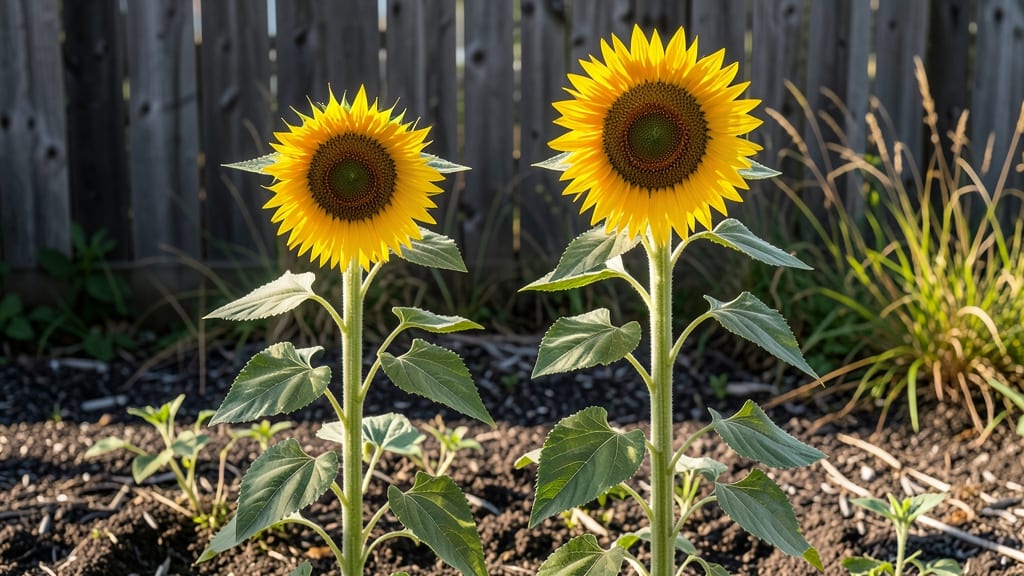
Sunflowers grow to heights that can range from just a few feet to over 16 feet tall, depending on the variety you choose — and knowing their mature size is the first step to planning a garden that works for you.
Picture this: you plant a row of sunflowers 🌻 in early spring, dreaming of cheerful blooms, only to realize by summer that they’ve shot up like skyscrapers, crowding your patio or leaning precariously over the fence.
The good news? Size isn’t just about luck—it’s about picking the right type for your space.
From dwarf varieties that stay under 3 feet (perfect for containers or small gardens) to giants that dwarf even the tallest people (ideal for privacy screens), each sunflower type has its own spacing needs.
Too close, and they’ll compete for nutrients; too far apart, and you’ll waste space. Below, I’ll break down the exact heights by variety so you can space them like a pro.
You’ll also discover how sunlight, soil, and even pruning can tweak their growth—and whether those towering stalks need staking to stay upright. Ready to turn your sunflower dreams into a well-planned reality?
Sunflower height by variety: from dwarf to giant sizes
Sunflowers are one of the most dramatic plants in terms of size, with varieties ranging from tiny container-friendly types to towering giants that can dwarf your garden. Understanding these differences is crucial for planning your garden layout and ensuring each plant has the space it needs to thrive.
Whether you're growing sunflowers for cut flowers, birdseed, or simply as a spectacular centerpiece, knowing the mature height will help you avoid overcrowding and maximize your garden's potential.
The height of a sunflower is primarily determined by its variety, but factors like soil quality, sunlight exposure, and water availability also play significant roles.
For example, a giant sunflower variety might reach 16 feet in ideal conditions, while the same variety in poor soil or with limited sunlight could stay shorter. Let’s explore the height ranges of popular sunflower varieties so you can choose the perfect fit for your space.
Note: Always check seed packets for specific variety details, as some modern hybrids can exceed traditional height ranges. Below is a general guide to help you visualize and plan your sunflower garden effectively.
If you're growing dwarf varieties like 'Teddy Bear' or 'Moulin Rouge', they’re perfect for containers or small garden beds. These varieties typically stay between 1–3 feet tall and are ideal for adding color to patios or windowsills.
Their compact size also makes them easier to maintain and harvest, as they don’t require staking or additional support.
For semi-dwarf varieties such as 'Autumn Beauty' or 'Moulin Rouge' (some strains), you’ll see heights ranging from 3–6 feet. These are versatile choices that work well in mixed flower beds or as cut flowers.
They offer a balance between manageable size and striking appearance, making them a favorite for both beginner and experienced gardeners.
When it comes to standard varieties, think of classics like 'Russian Giant' or 'Mammoth', which can reach 6–10 feet tall. These are the workhorses of the sunflower world, often used for cut arrangements or as privacy screens.
Their height requires more space, so plan to give them at least 24–36 inches between plants to prevent competition for nutrients and sunlight.
For those dreaming of towering sunflowers, giant varieties like 'Russian Giant' or 'Giant Russian' can soar to
Perfect spacing for sunflowers: avoid crowding and boost growth
Proper sunflower spacing is the secret to avoiding competition for nutrients and sunlight while maximizing your harvest. Crowded sunflowers may produce smaller blooms or even fail to thrive entirely.
The right spacing depends entirely on the variety—dwarf types need minimal room, while giant varieties require wide berths to support their towering stems.
For dwarf sunflowers (1-3 feet tall), space plants 12-18 inches apart in rows that are 12-18 inches apart. This works perfectly for container gardening or small beds. Semi-dwarf varieties (3-6 feet) need 18-24 inches between plants and rows spaced 24 inches apart to prevent overcrowding.
Standard sunflowers (6-10 feet) demand the most room—plant them 24-36 inches apart with rows spaced 36-48 inches apart. This spacing ensures strong stems and prevents wind damage. For giant sunflowers (10+ feet), give each plant a full 3-4 feet of space in all directions.
Beyond spacing, consider companion planting to boost growth. Pair sunflowers with bush beans or marigolds to deter pests naturally. Avoid planting near potatoes or tomatoes, as they compete for the same nutrients. For tall varieties, use stakes or cages early to prevent flopping in wind or rain.
In raised beds, reduce spacing by 20% since nutrients are more concentrated. For container growing, choose dwarf varieties and use large pots (12+ inches deep) with one plant per container. Always plant seeds 1 inch deep and thin seedlings to maintain proper spacing as they grow.
Remember, sunflowers need full sun (6+ hours daily) to reach their full potential. If you notice stunted growth or pale leaves, check your spacing and adjust for better airflow and sunlight exposure. With the right spacing, your sunflowers will thrive and reward you with stunning blooms all season long! 🌻