
Planting
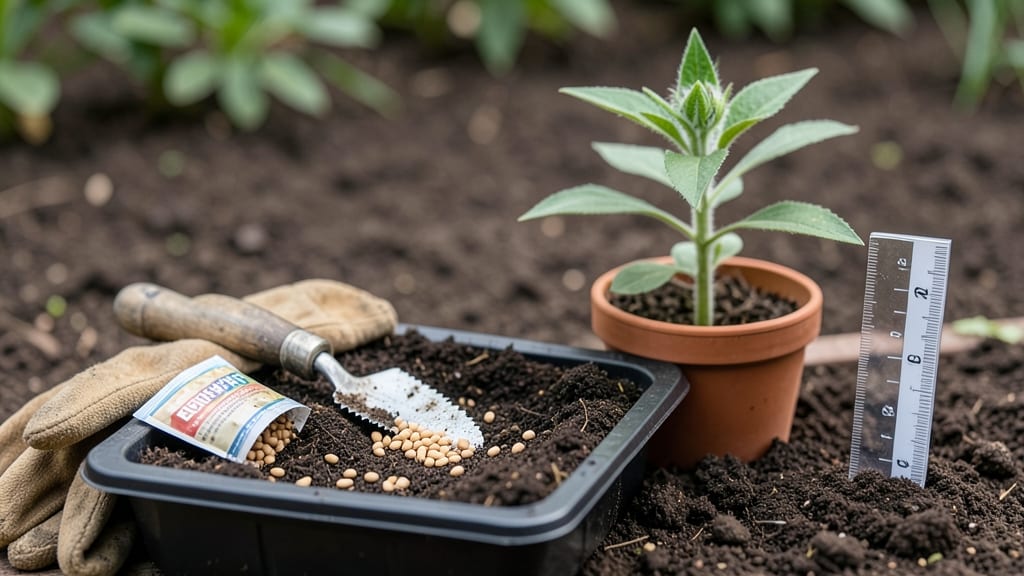
How deep to plant coneflower seeds—just 1/8 to 1/4 inch below soil—is the key to strong, healthy starts that bloom for years.
Struggling to get your 🌼 coneflower seeds to sprout? Planting depth is the secret weapon—too shallow, and they’ll dry out; too deep, and they’ll rot. Here’s the exact soil strategy for vibrant, long-lasting blooms.
In Zone 6a, where spring planting runs from March to April, the ideal depth keeps seeds moist without suffocating them. Loose, well-drained soil is your best friend, but even a slight misstep can leave you staring at bare patches.
Below, I’ll walk you through the exact technique—from soil prep to spacing—so your coneflowers pop up reliably and grow into those showstopping 3- to 5-foot plants you’ve been dreaming of.

Optimal coneflower seed planting depth by variety and climate
Getting your coneflower seeds to sprout reliably starts with the right planting depth. Each variety—Echinacea purpurea, pallida, or paradoxa—has subtle differences in seed size and germination needs.
Climate also plays a role: hot, dry regions demand shallower planting, while cool, moist climates can handle slightly deeper depths. Let’s break down the science-backed guidelines to ensure your seeds get the perfect start.
For most coneflower varieties, the ideal planting depth falls between 1/8 to 1/4 inch below the soil surface. This range accounts for the tiny seed size while preventing rot from over-deep planting.
However, soil type adjustments are critical—sandy soil dries out faster, so seeds need to be planted slightly shallower (1/16 inch), while clay soil holds moisture longer, allowing for a deeper 1/4 inch placement.
Regional climate zones also influence depth. In USDA Zones 3-5, where winters are harsh, plant seeds 1/4 inch deep in early spring to avoid frost heaving. In Zones 6-9, where summers are hot, opt for 1/8 inch depth to prevent seeds from drying out. Always water gently after planting to settle the soil without displacing seeds.
Variety-specific adjustments matter too. Echinacea purpurea seeds, the most common, thrive at 1/8 inch, while Echinacea pallida (pale purple coneflower) benefits from 1/4 inch depth due to its slightly larger seed size. Echinacea paradoxa, a hybrid, falls in the middle at 1/8 to 1/4 inch. These nuances ensure stronger germination rates and healthier seedlings.
| Variety | Climate Zone | Soil Type | Optimal Depth | Notes |
|---|---|---|---|---|
| Echinacea purpurea | Zones 3-5 | Clay | 1/4 inch | Moisture-retaining; plant deeper |
| Echinacea purpurea | Zones 6-9 | Sandy | 1/16 inch | Dries quickly; keep shallow |
| Echinacea pallida | Zones 4-7 | Loam | 1/4 inch | Larger seeds; deeper placement |
| Echinacea paradoxa | Zones 5-8 | Any | 1/8 inch | Hybrid; moderate depth |
| All Varieties | Containers | Any | 1/8 inch | Drying risk; keep shallow |
If you’re planting in containers, the rules shift slightly. Potted coneflowers dry out faster, so 1/8 inch depth is ideal regardless of variety. Use a well-draining mix with perlite or sand to mimic loose soil.
After sowing, cover with a humidity dome or plastic wrap to retain moisture until germination (typically 10-21 days). Remove the cover once sprouts appear to prevent fungal issues.
Light conditions also interact with depth. Coneflowers need full sun (6+ hours daily), but seedlings are sensitive to direct light until established. If planting in late summer or fall, reduce depth to 1/16 inch and protect seeds with a light mulch layer to insulate them from temperature swings. In spring plantings, aim for 1/4 inch depth to balance warmth and moisture.
For direct-sown seeds in gardens, loosen the
Step-by-step guide: planting coneflower seeds at the right depth
Getting your coneflower seeds to sprout reliably starts with perfect planting depth. These tiny seeds need just the right balance—too shallow and they dry out before germinating, too deep and they suffocate.
The ideal depth for most Echinacea varieties is 1/8 to 1/4 inch, but soil type and container vs. open ground changes the game. Let’s break it down so your seeds get the head start they deserve.
Before you even think about depth, your seedbed preparation sets the stage for success. Coneflowers thrive in well-draining soil with a slightly acidic to neutral pH (6.0-7.0). Loosen the top 6 inches of soil with a garden fork or tiller, removing any rocks or debris.
For containers, use a lightweight potting mix with perlite or sand to prevent compaction. Pro tip: Mix in compost or aged manure to boost nutrients without overwhelming tender seedlings.
Choose a location with 6+ hours of full sun. For open ground, loosen soil to 6 inches deep. In containers, use well-draining mix with perlite.
Plant seeds 12-18 inches apart in rows 18-24 inches apart. For containers, space 3-4 seeds per 6-inch pot.
Press seeds into soil 1/8 inch deep in sandy soil, 1/4 inch deep in clay or loam. Use a toothpick or pencil to create small holes.
Gently cover seeds with fine soil or compost. Mist with a spray bottle until moist (not soggy). Keep soil consistently moist until germination.
Apply 1 inch of mulch (straw or shredded leaves) to retain moisture. Avoid thick mulch that smothers seeds.
For containers, adjust your depth slightly—1/16 inch is perfect for their delicate roots. Use a fine-mesh sieve to sift soil over seeds, ensuring even coverage. Place containers in a warm, sunny spot (70-75°F) and keep soil moist with a spray bottle.
Germination typically takes 10-21 days, but patience is key—some varieties like Echinacea paradoxa may take longer.
Once seeds sprout, thin seedlings to 12-18 inches apart to prevent overcrowding. Use scissors or a knife to snip unwanted plants at soil level, leaving the strongest stems.
This step is crucial—crowded coneflowers grow leggy and produce fewer blooms. After thinning, apply a light layer of compost around remaining plants to encourage root growth.
Remember, consistent moisture is your best friend during germination. Water in the morning to reduce evaporation and fungal risks. Avoid overhead watering once seedlings emerge to prevent disease. With the right depth, spacing, and care, your coneflowers will reward you with bold blooms from midsummer through fall.