
Companion Plants
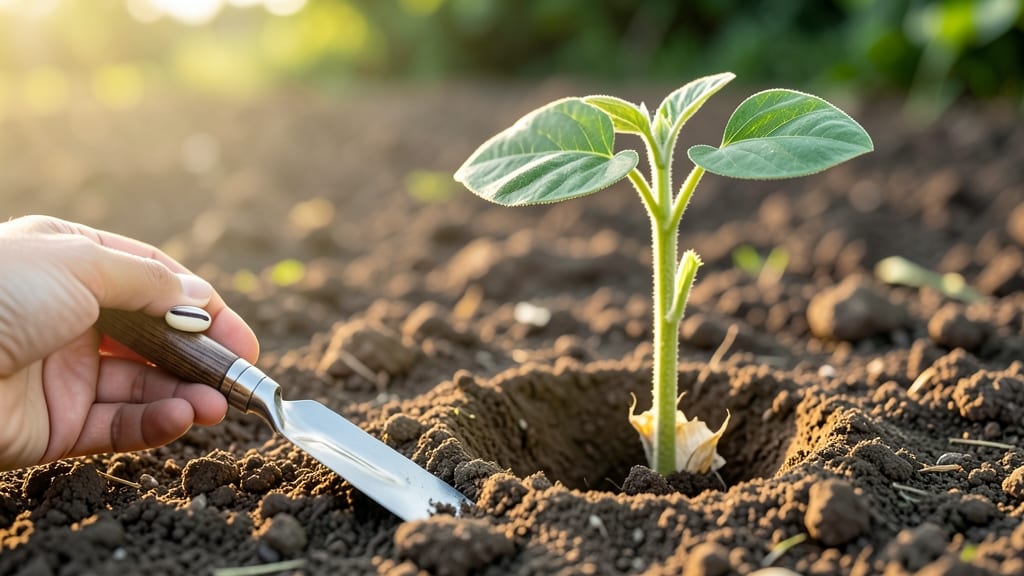
If you're wondering how deep should I plant sunflower seeds, the ideal depth is about 1 inch—this ensures strong germination and healthy growth.
Planting sunflower seeds too shallow or too deep can mean the difference between a towering, vibrant sunflower and a weak, struggling sprout—here’s the exact planting depth you need for success.
Sunflowers thrive in well-drained soil, and getting the depth right ensures roots anchor properly while avoiding rot or stunted growth. This guide covers everything from soil prep to spacing, so you can confidently start your sunflowers on the right foot.
Whether you’re growing giant varieties or compact types, we’ll walk you through the best techniques for your sunflower seeds to flourish from the very first sprout.

The ideal sunflower seed planting depth by seed type and soil conditions
Sunflowers are one of the most rewarding plants to grow, but getting them off to the right start means paying close attention to planting depth. Too shallow, and your seeds may dry out before sprouting; too deep, and they’ll struggle to break through the soil.
The ideal depth for most sunflower seeds is between 0.5 and 1.5 inches, but this can vary based on seed size, soil type, and climate conditions.
For standard sunflower varieties, a 1-inch depth is the golden rule. This ensures enough soil coverage to protect the seed from drying out while allowing young sprouts to push through with minimal effort.
However, larger seeds, like those from giant sunflower varieties, can handle slightly deeper planting—up to 1.5 inches—while smaller seeds may only need 0.5 inches of coverage.
Soil type also plays a crucial role. Sandy soil, which drains quickly, requires shallower planting (0.5 inches) to prevent seeds from drying out.
In contrast, clay soil, which holds moisture longer, can accommodate deeper planting (1.25 inches) without risking drought stress. Loamy soil, the ideal middle ground, typically works best with the standard 1-inch depth.
Climate matters too. In hot, dry regions, planting slightly deeper (1.25 inches) helps retain moisture around the seed. Conversely, in cooler, wetter climates, a shallower depth (0.75 inches) reduces the risk of rot or fungal issues.
Here’s a quick reference to guide your planting:
| Seed Type | Soil Type | Climate | Ideal Depth (inches) | Notes |
|---|---|---|---|---|
| Standard Varieties | Loamy | Moderate | 1.0 | Best for most gardeners |
| Giant Varieties | Any | Hot/Dry | 1.25-1.5 | Larger seeds need more coverage |
| Dwarf Varieties | Sandy | Cool/Wet | 0.5-0.75 | Smaller seeds sprout faster |
| Any | Clay | Moderate | 1.0-1.25 | Retains moisture better |
| Any | Sandy | Hot/Dry | 0.5 | Prevents drying out |
One of the most common mistakes gardeners make is planting sunflower seeds too shallow. When seeds are barely covered, they can dry out before germinating, especially in hot or windy conditions. Always use your finger or a small ruler to measure depth—eyeballing it often leads to inconsistency.
If you’re planting in containers or raised beds, aim for the upper end of the depth range (1.25 inches) to account for faster-draining soil. In these cases, mulching around the base of the seedling with straw or compost can help retain moisture and encourage strong root development.
After planting, gently firm the soil around the seeds to eliminate air pockets, which can prevent proper contact with moisture. Water lightly but thoroughly to settle the soil without displacing the seeds. Avoid overwatering, as this can cause the seeds to rot before they have a chance to sprout.
Finally, remember that consistent moisture is key during germination. Sunflower seeds typically sprout within 7–14 days, depending on temperature and soil conditions. If you notice seeds taking longer than expected, check for adequate moisture and ensure the soil temperature is above 55°F (13°C)—sunflowers prefer warmth to germinate efficiently.
With the right depth and care, your sunflower seeds will sprout into strong, healthy plants ready to reach for the sky. Happy planting! 🌻
How to adjust planting depth for different sunflower varieties and regions
Not all sunflower seeds are created equal—and neither are all planting conditions! The planting depth for your sunflower varieties depends on their size, your local soil type, and even the climate zone.
Giant sunflowers like 'Mammoth' need deeper planting than dwarf varieties, while sandy soils require shallower depths than clay-heavy ground. Let’s break it down so you can plant with confidence.
For giant sunflowers (6+ feet tall), aim for a 1.5-inch depth to give their long taproots room to establish. Dwarf varieties (under 3 feet) only need 0.5–1 inch of coverage.
Meanwhile, sandy soil drains faster, so plant seeds slightly shallower (0.75 inches) to prevent drying out, while clay soil holds moisture—burrow them deeper (1.25 inches) to protect from erosion.
| Variety Type | Recommended Depth | Soil Adjustment | Troubleshooting Tip |
|---|---|---|---|
| Giant (e.g., 'Mammoth') | 1.5 inches | Clay: +0.25" | Sandy: -0.25" | Use a dibber for precision |
| Dwarf (e.g., 'Teddy Bear') | 0.5–1 inch | Clay: 1" | Sandy: 0.5" | Mulch to retain moisture |
| Standard (e.g., 'Autumn Beauty') | 1–1.25 inches | Clay: 1.25" | Sandy: 1" | Water lightly after planting |
If your seeds aren’t germinating, the planting depth might be off. Too shallow? Seeds dry out before sprouting. Too deep? They’ll struggle to push through the soil. For poor germination, check your soil temperature—sunflower seeds need 60–85°F to sprout.
If your soil is too cold, wait until after the last frost or use a seedling heat mat.
In dry climates, like the Southwest, plant seeds 0.25 inches deeper to retain moisture, but avoid compacting the soil. In humid regions, like the Southeast, shallower planting (0.75 inches) helps prevent fungal issues.
Always loosen the soil first—sunflowers hate dense roots! Use a hand trowel to create a small hole, drop in the seed, and cover it gently.
Pro tip: For container growing, use a well-draining mix and plant seeds 0.5 inches deep, even for giant varieties. Containers dry out faster, so monitor moisture closely. And remember—consistent watering after planting is key, whether you’re in clay soil, sandy soil, or a pot!
Adjusting for variety and soil type ensures your sunflowers grow strong and tall. Now grab your tools and plant with precision—your future sunflowers will thank you! 🌻