
How To
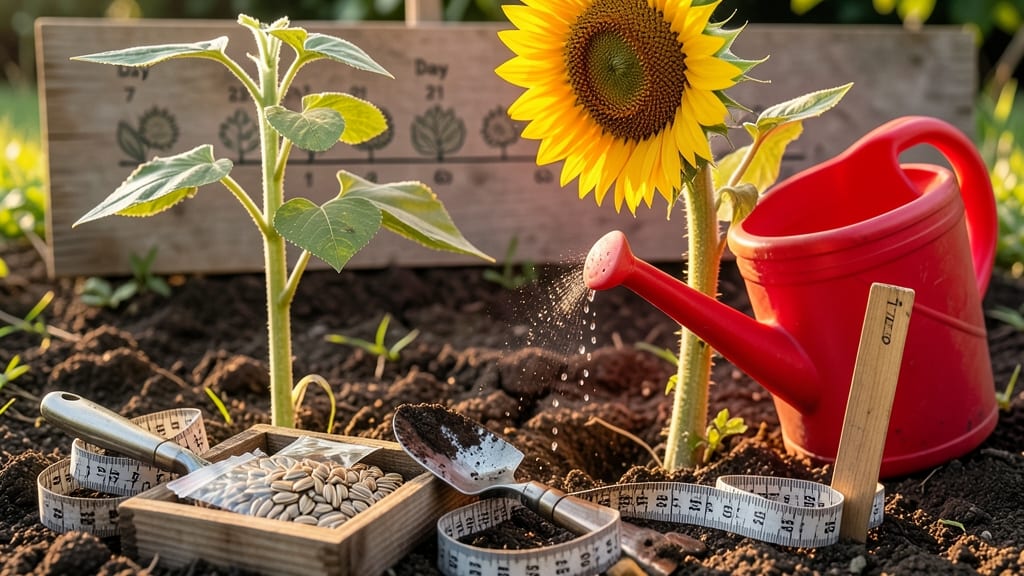
How fast do sunflower seeds grow? They can transform from sprout to towering 🌻 in just 6-10 days—far faster than most gardeners expect, but only if you set them up right.
Picture this: a weekend of planting, and by Monday morning, you spot the first green tips peeking through the soil. That’s the magic of sunflowers—nature’s speed demons—but only if you nail the soil warmth, moisture, and sunlight. Too cool? They’ll dawdle for weeks. Too dry? They’ll stall entirely.
Here’s the good news: with the right conditions, you can shave days off their germination time and watch them race toward 10-foot heights in no time. I’ll walk you through the exact steps to turn your seeds into sun-soaked giants before summer’s over.
From the first crack in the soil to the moment they bloom, we’ll cover what affects their speed—temperature tricks, watering hacks, and sunlight secrets—so you’re not left guessing why yours are lagging behind.


Sunflower seed germination speed: days to first sprout explained
Sunflower seeds are among the fastest-growing garden plants, with some varieties sprouting in as little as 3-5 days under ideal conditions. The germination process unfolds in distinct stages, each influenced by factors like soil temperature, moisture levels, and seed quality.
Understanding these stages helps you create the perfect environment for rapid growth and avoids common pitfalls that delay sprouting.
Most sunflower seeds begin to crack open within 24-48 hours of planting, with the first green shoots typically emerging between 3-10 days. The exact timeline depends on whether you're growing dwarf varieties (faster) or giant sunflowers (slightly slower).
Warm soil and consistent moisture are the two most critical factors for speeding up this process.
Here’s what happens during those first critical days: The seed absorbs moisture, swells, and activates enzymes that break down stored nutrients. Within 48 hours, the radicle (primary root) emerges, followed by the shoot breaking through the soil surface.
This rapid transformation is why sunflowers are a favorite for both beginner and experienced gardeners.
The soil temperature plays a crucial role in germination speed. Sunflower seeds germinate best when soil reaches 60-75°F (15-24°C). If your soil is cooler—common in early spring—consider using a seedling heat mat or planting in a protected microclimate like a raised bed with black plastic mulch.
Cold soil can stretch germination to 10-14 days, so timing is everything.
Moisture is equally critical, but overwatering can suffocate seeds. Aim for consistent dampness—not soggy soil. A simple trick is to water the soil thoroughly before planting, then only add water when the top inch feels dry.
Too much moisture can lead to fungal diseases, while too little causes seeds to dry out and fail to sprout. Think of it like a Goldilocks scenario: just right!
Seed quality is another game-changer. Fresh, high-quality seeds from reputable suppliers (like those from local nurseries or seed catalogs) germinate faster and more reliably. If you’re using saved seeds, test a few in a damp paper towel to check viability before planting. Seeds older than 2 years may take longer to sprout or germinate unevenly.
To accelerate germination, try these science-backed tips: Soak seeds in lukewarm water for 6-12 hours before planting to kickstart hydration. You can also use a seedling heating pad to maintain optimal soil temps.
For container growers, place trays in a sunny window or under grow lights to provide the 6+ hours of light seedlings crave from day one.
Common mistakes that slow germination include planting too deep (sunflowers need only 1 inch of coverage), using cold soil, or letting the soil dry out. Always plant in well-draining soil amended with compost to give seedlings a strong start.
Once your first sprouts appear, thin seedlings to 6-12 inches apart (depending on variety) to prevent competition and encourage faster growth.
Remember, every sunflower seed carries the potential for a 10-foot-tall giant—all it needs is the right conditions to unlock that growth in record time. With these tips, you’ll have those first green shoots breaking through the soil in just days instead of weeks! 🌱
Sunflower growth timeline: from seedling to full bloom in weeks
Watching sunflowers grow is like witnessing a nature miracle—those tiny seeds transform into towering sun-kissed giants in just a few months. Understanding their week-by-week milestones helps you adjust care for faster, healthier growth.
From the first cotyledon leaves to those iconic yellow blooms, each stage reveals what your plants truly need.
Here’s the secret: sunflowers grow fastest when they get consistent sunlight, warm soil, and balanced moisture. Miss these, and you’ll see stunted growth or leggy stems.
But with the right approach, you can push your sunflowers to reach mature heights in as little as 8-12 weeks—depending on the variety!
🌱 Sunflower Growth Timeline
- Week 1: Germination – Tiny sprouts emerge (3-10 days). Keep soil moist but not soggy and place in warmth (70°F+).
- Week 2: Seedling stage – First leaves appear (cotyledons). Thin seedlings to 6 inches apart for airflow.
- Week 3-4: Rapid stem growth – Stems reach 1-2 feet tall. Ensure full sun (6+ hours/day) to prevent stretching.
- Week 5-6: Bud formation – Flower buds form at stem tips. Add balanced fertilizer (10-10-10) to boost blooms.
- Week 7-8: Full bloom – Yellow petals open (ready for pollinators!). Watch for pest signs like aphids.
- Week 9-12: Seed maturity – Back of petals browns; seeds harden. Harvest when dry and rattly.
🌻 Pro Tip: Track growth with photos weekly—it’s the best way to spot issues early!
Did you know? Dwarf varieties like ‘Teddy Bear’ bloom faster (6-8 weeks), while giant varieties like ‘Mammoth’ take 10-12 weeks. Pay attention to leaf color: dark green means thriving, while yellowing signals overwatering or nutrient deficiency. Adjust care based on these cues!
By week 4, your sunflowers should be 2-3 feet tall with multiple true leaves. If growth slows, check for adequate sunlight—sunflowers wilt dramatically in shade.
Move containers or thin crowded seedlings to give them space. Patience pays off: those first buds appear around week 5-6, and the show begins!
Once blooming starts, reduce watering slightly to prevent bud rot. Let the soil dry 1 inch deep between waterings. For extra speed, side-dress with compost at week 6.
Your sunflowers will reward you with bold, cheerful blooms that attract bees and butterflies—plus, you’ll have homegrown seeds for next year!
Remember: every sunflower’s journey is unique. Some varieties bolt (flower early) in heat, while others lag in cool weather. Keep a growth journal to track what works best in your climate and soil.
With these milestones as your guide, you’ll grow sunflowers that thrive faster and stand taller than ever!