
Flowers
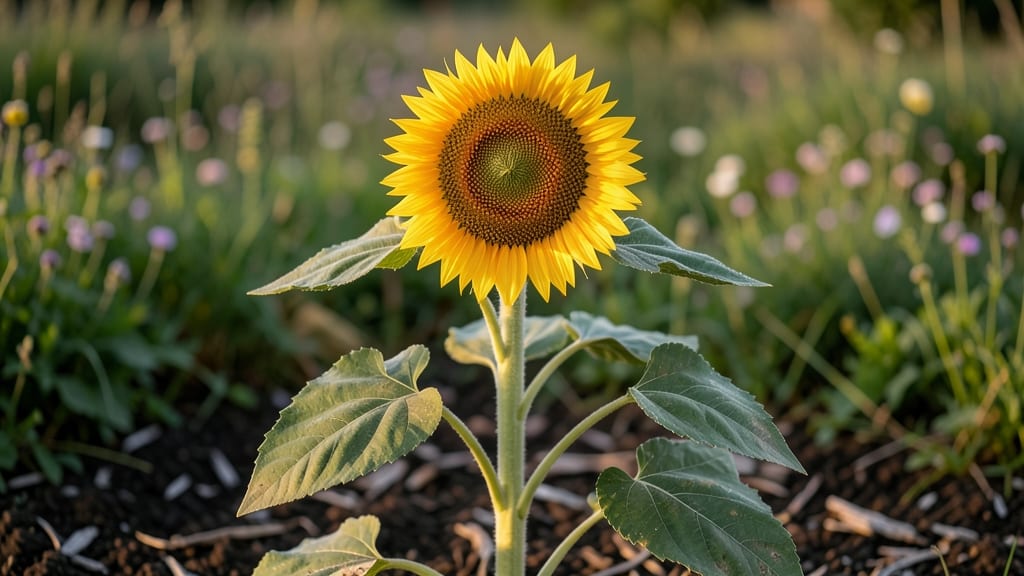
Mammoth sunflowers can grow up to 14 feet tall—taller than most two-story buildings—making them a dramatic centerpiece for any garden.
If you’ve ever dreamed of towering sunflowers that turn heads in your garden, Mammoth varieties might be your perfect match—but knowing exactly how tall they’ll grow is key to planning your space wisely.
These giants thrive in full sun and well-drained soil, but their height depends on the variety, spacing, and support you provide. Without proper care, even the tallest stems can flop over, wasting your garden’s potential.
Below, I break down the exact height ranges by variety, tips to maximize growth, and how to avoid common mistakes that stunt their towering potential.


Mammoth sunflower height by variety: exact growth expectations for garden planning
If you're planning a backyard showstopper, Mammoth sunflowers deliver the drama with their towering heights—some reaching higher than a two-story house! But not all varieties grow the same.
The Mammoth Russian and American Giant varieties can climb to 12-14 feet, while others like Autumn Beauty top out around 10 feet. Knowing these exact heights helps you allocate space, avoid overcrowding, and support their massive stems properly.
Before planting, consider your garden's layout. A 14-foot sunflower needs at least 2-3 feet of clearance on all sides to prevent shading weaker neighbors and to allow for staking.
If you're growing them near fences or trellises, plan for extra support—their stems can bend under their own weight, especially in windy conditions. Even in ideal conditions, growth varies slightly by region and soil quality.
🌻 Variety matters most when predicting height. Some Mammoth sunflowers prioritize flower size over stem length, while others focus on sheer height. For example, the 'Mammoth Russian' is famous for its 12-14 foot stems, but its 12-inch-wide blooms steal the show. Meanwhile, 'American Giant' may reach similar heights but with slightly smaller flowers. Always check seed packets for exact variety expectations—some hybrid strains can exceed 14 feet!
| Variety | Mature Height (ft) | Stem Diameter (in) | Bloom Size (in) | Spacing Needs (ft) |
|---|---|---|---|---|
| Mammoth Russian | 12-14 | 2-3 | 10-12 | 3x3 |
| American Giant | 10-13 | 1.5-2.5 | 8-10 | 2.5x2.5 |
| Autumn Beauty | 8-10 | 1.5-2 | 6-8 | 2x2 |
| Russian Giant | 13-15 | 2.5-3.5 | 10-12 | 3.5x3.5 |
| Mammoth Red | 10-12 | 1.5-2 | 8-10 | 2.5x2.5 |
For urban gardens or small yards, the 'Autumn Beauty' variety is a great compromise—it still reaches 8-10 feet but requires less space than its taller cousins.
If you're aiming for a record-breaking sunflower, the 'Russian Giant' can push 15 feet in ideal conditions, though it needs extra-rich soil and consistent moisture to achieve that height. Always account for 1-2 extra feet of growth if you're in a warm climate with a long growing season.
Another key factor is stem strength. Taller varieties like 'Mammoth Russian' develop thicker stems (2-3 inches), which helps support their weight. However, even these can bend or snap in storms or if planted too closely.
To prevent this, use bamboo stakes or wide trellis supports tied loosely to the stem as it grows. Avoid tight ties—they can girdle the stem as it thickens.
If you're growing Mammoth sunflowers near other plants, prioritize sun-loving companions like corn, beans, or marigolds. These plants thrive in the same full-sun conditions and won’t compete
How to maximize Mammoth sunflower growth: soil, sunlight, and support tips
Want those Mammoth sunflowers to reach their full 10–14-foot potential? The secret lies in giving them the right conditions from the start. These giants aren’t just about height—they’re about strong stems, nutrient-rich soil, and uninterrupted sunlight. Without these, even the hardiest variety will struggle to stand tall.
Let’s break down the three critical factors that determine whether your sunflowers will dwarf your fence or flop like overcooked pasta. (And no, we’re not talking about cooking here—just gardening!) The right soil prep, sunlight exposure, and support system can turn a lackluster 6-footer into a showstopping 12-footer.
First, let’s talk soil. Mammoth sunflowers thrive in loamy, well-draining soil with a pH between 6.0 and 7.0. Amend heavy clay with compost or sand to prevent waterlogging, which weakens stems.
A balanced fertilizer (10-10-10) applied at planting and mid-season will give them the phosphorus and potassium needed for robust growth.
Next, sunlight is non-negotiable. These sun-worshippers need 6–8 hours of direct sun daily. If your garden gets partial shade, your sunflowers will stretch tall and leggy, risking flopping. Choose the sunniest spot in your yard—even a south-facing window works for container-growing enthusiasts.
Now, let’s address the elephant in the room: support. Without it, those 10-foot stems will snap under their own weight. Use bamboo stakes or metal cages inserted 6–8 inches deep at planting.
Tie stems gently with soft plant ties every 2–3 feet as they grow. Pro tip: Mulch around the base to retain moisture and prevent stem rot.
Watering is another game-changer. Deep water once a week (more in drought conditions) to encourage deep root growth. Avoid overhead watering in the evening, as wet foliage invites fungal diseases. Instead, water at the base of the plant in the morning for optimal absorption.
With these soil, sun, and support strategies, your Mammoth sunflowers won’t just grow—they’ll thrive. Imagine the conversation starter when your neighbors see a 12-foot giant blooming in your backyard! 🌻