
Flowers
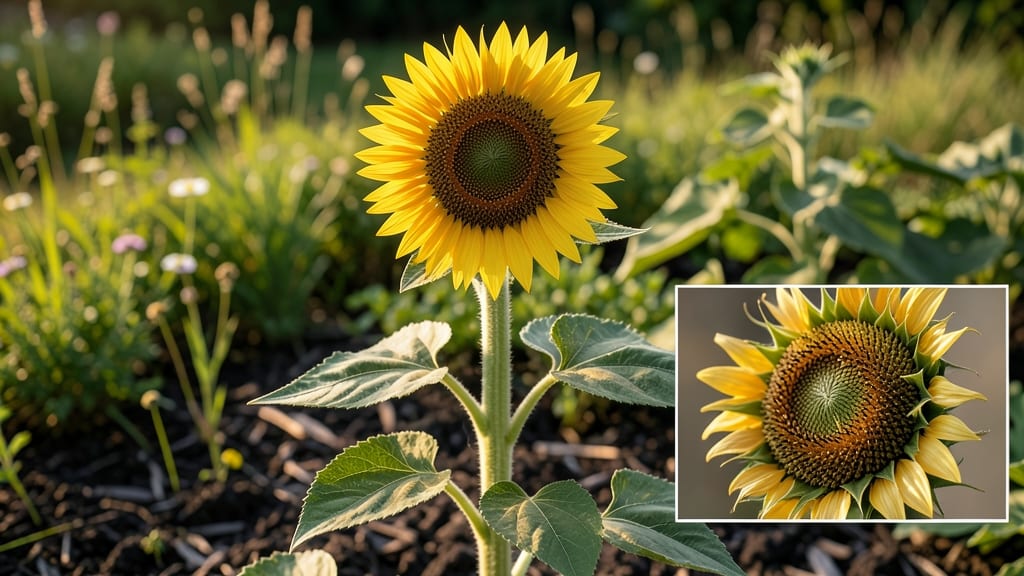
Sunflowers stay in bloom for anywhere from 1 week to 2 months, depending on the variety and care you give them—far longer than most gardeners expect.
Picture this: your 🌻 sunflowers standing tall and proud, their golden faces turning toward the sun, only to wilt within days. That’s the frustration many gardeners face when they assume these cheerful giants will last all summer.
But with the right knowledge, you can turn that fleeting beauty into weeks of vibrant color.
Some sunflower varieties, like the classic 'Mammoth' or 'Russian Giant,' can bloom for 6 to 8 weeks under ideal conditions, while dwarf types like 'Teddy Bear' may only shine for 7 to 10 days.
The difference comes down to genetics, sunlight, water, and a little extra care—details I’ll break down so you can maximize your sunflowers’ time in the spotlight.
Below, I’ll share how to choose the right variety for long-lasting blooms, the 5 key tips to extend their lifespan, and why some sunflowers might surprise you by reblooming later in the season. Let’s make sure your garden stays bright with sunflowers from summer’s start all the way through fall.
Sunflower bloom duration by variety: from 1 week to 2 months
If you've ever wondered why your sunflowers seem to vanish from the garden overnight, the answer lies in their variety. Some sunflower types bloom for just 5-7 days, while others can grace your landscape for 6-8 weeks.
The difference often comes down to genetics, maturity rate, and environmental factors like temperature and sunlight. Understanding these variations helps you choose the perfect sunflower varieties for your goals—whether it's a quick burst of color or long-lasting cut flowers.
Most gardeners assume all sunflowers follow the same timeline, but the truth is far more exciting. Dwarf varieties like 'Teddy Bear' often bloom for 2-3 weeks, while towering giant sunflowers such as 'Russian Giant' can stay vibrant for up to 2 months.
Even perennial sunflowers (like Helianthus species) offer extended bloom windows compared to annuals. Let’s break down what to expect from the most popular types.
| Variety Type | Avg. Bloom Duration | Peak Season | Height Range | Notes |
|---|---|---|---|---|
| Dwarf Annuals | 7–14 days | Summer (June–July) | 1–3 ft | Fast bloomers; ideal for containers |
| Standard Annuals | 14–21 days | Summer (July–August) | 5–8 ft | Classic cut flowers; moderate longevity |
| Giant Annuals | 30–60 days | Late Summer (August–September) | 10–14 ft | Longest bloom time; needs staking |
| Perennial Sunflowers | 21–45 days (reblooms) | Summer–Fall (June–October) | 3–6 ft | Multi-season blooms; drought-tolerant |
| Heirloom Varieties | 20–30 days | Summer (July–August) | 4–10 ft | Heritage seeds; consistent blooms |
The maturity rate of a sunflower plays a huge role in bloom duration. Fast-maturing varieties like 'Moulin Rouge' (a dwarf) may only stay in bloom for 7-10 days but produce multiple blooms over 6-8 weeks if deadheaded regularly.
In contrast, slow-maturing giants like 'Mammoth' take 100+ days to flower but reward you with 6-8 weeks of vibrant petals once they open.
Environmental factors also influence how long your sunflowers stay in bloom. Cooler temperatures (below 75°F) can extend bloom time by slowing petal wilting, while hot, dry spells (above 90°F) often shorten it to 5-7 days.
Even humidity levels matter—high humidity can promote fungal diseases that cause premature wilting. If you live in a hot, arid climate, opt for drought-tolerant varieties like 'ProCut' or 'Autumn Beauty' to maximize bloom duration.
Did you know that sunflowers are heliotropic? Young blooms follow the sun from east to west, which not only makes them stunning to watch but also affects their overall health and longevity. Mature sunflowers lose this trait, but their bloom duration can still be influenced by your care routine.
For example, consistent watering (1-2 inches per week) and balanced fertilization (5-10-10 NPK) can add 5-10 extra days to a standard sunflower's bloom time.
For cut flowers, timing is everything. Harvest sunflowers when 20-30% of petals have opened to extend vase life by 50%. Place stems in cool water and trim the ends daily to prevent bacterial growth.
If you're growing sunflowers for bird feed, leave the seed heads until they fully mature—the longer they bloom, the more seeds they produce for hungry birds.
One common misconception is that sunflowers rebloom after their initial bloom cycle. While annual varieties typically bloom just once, perennial sunflowers (like Maximilian sunflower) can produce multiple blooms over 3-4 months if given proper care.
Prune back spent blooms to encourage new growth, and you might see a second wave of flowers in late summer or early fall.
If you're planning a sunflower garden for visual impact, mix short- and long-blooming varieties to create a sequential bloom effect. Start with dwarf varieties in early summer, followed by standard types in mid-summer, and cap it off with giant sunflowers in late summer. This strategy ensures your garden stays
5 Proven tips to extend sunflower bloom time naturally
Sunflowers may seem like one-hit wonders, but with the right care, you can stretch their vibrant blooms from just a few days to weeks or even months. The secret lies in mimicking their natural growing conditions while giving them a little extra TLC.
Whether you're growing tall giants or compact dwarfs, these techniques will help your sunflowers shine longer.
First, let's address the elephant in the garden: most sunflowers are annuals, meaning they bloom once and then produce seeds. But with smart gardening, you can trick them into lasting longer or even encourage a second flush of blooms.
The key is understanding their needs—from watering routines to nutrient timing—and acting at the right moments.
🌻 How Long Sunflowers Stay in Bloom: Quick Guide
- 1. Standard Varieties: 7-14 days (typical lifespan)
- 2. Dwarf Varieties: 10-21 days (smaller blooms last slightly longer)
- 3. Perennial Varieties: 3-8 weeks (rebloom seasonally)
- 4. With Care: Up to 2 months (extended with proper techniques)
- 5. Second Blooms: Possible with deadheading (for some varieties)
Let’s start with the most impactful tip: consistent watering. Sunflowers need deep, infrequent watering—about 1-2 inches per week—to establish strong roots. Morning watering is ideal because it reduces evaporation and fungal risks.
Avoid overhead watering in the evening, as damp petals invite powdery mildew, a common sunflower nemesis that shortens bloom time.
Next, focus on soil nutrition. Sunflowers are heavy feeders, especially during their blooming phase. A balanced fertilizer (like 5-10-10) applied every 4-6 weeks keeps them thriving.
For a natural boost, mix in compost or aged manure at planting time. This ensures they have the energy to produce larger, longer-lasting blooms instead of bolting prematurely.
Pruning might seem counterintuitive for sunflowers, but it’s a game-changer. If you notice side buds forming along the stem, snip them off to redirect the plant’s energy into the main bloom.
For varieties like 'Moulin Rouge', which produce multiple stems, you can also deadhead spent blooms to encourage new flowers. Just be gentle—sunflowers are sturdy but not indestructible!
Don’t forget about seasonal adjustments. In cooler climates, sunflowers may bloom later but last longer due to slower growth. If you’re in a hot, dry region, provide light shade during peak afternoon heat to prevent wilting.
For a second bloom, try succession planting every 2-3 weeks. This ensures a continuous display of fresh sunflowers throughout the season.
Finally, protect your sunflowers from pests and diseases. Use neem oil or insecticidal soap to deter aphids and beetles, which can weaken plants. Mulching with straw or grass clippings keeps soil moist, regulates temperature, and deters weeds that compete for nutrients.
With these tips, your sunflowers won’t just bloom—they’ll thrive and shine for weeks to come! 🌻