
Blooming
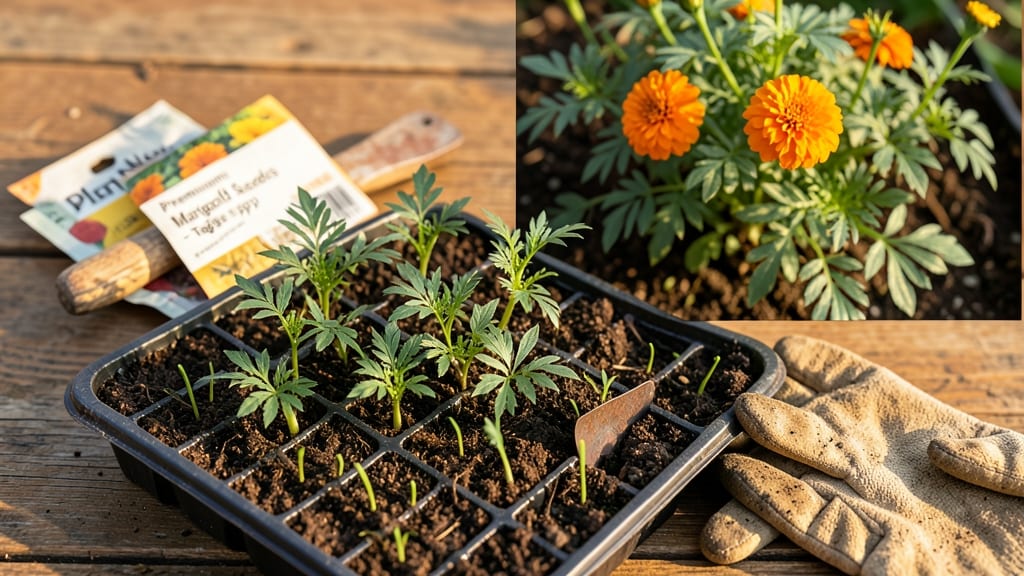
Flowers sprout in how long it takes for flowers to take—as little as 3 days for fast growers like cosmos or up to 3 weeks for slower varieties such as foxgloves—knowing the timeline helps you avoid the frustration of waiting too long.
Picture this: you’ve just planted your seeds, watered them carefully, and now you’re staring at that empty soil, wondering if anything will ever break through. The truth is, germination speed depends on more than just the seed type—temperature, moisture, and even soil depth play huge roles.
In this guide, I’ll break down the exact sprouting timelines for popular flowers, share pro tips to speed up the process, and help you troubleshoot when things take longer than expected.
Whether you’re growing marigolds in 5–14 days or waiting for delphiniums to pop up in 14–21 days, you’ll leave here with a clear plan to get your garden blooming faster.
Fastest-sprouting flowers: timeline by seed type (from 3 days to 2 weeks)
If you’ve ever eagerly waited for tiny seeds to burst into life, you know the excitement of seeing those first green shoots push through the soil. Some flowers sprout in a flash—like marigolds in just 3 days—while others take their sweet time, testing your patience.
Understanding these timelines helps you plan better and troubleshoot delays. Let’s break down the fastest-sprouting flowers versus the slower ones, so you can set realistic expectations for your garden.
The speed at which flower seeds sprout depends on seed type, soil temperature, and moisture levels. For example, cosmos and zinnias often appear in under a week, while foxgloves or delphiniums can take 2–3 weeks.
Warm soil (around 70–80°F) speeds up germination, while cold or damp conditions can stall it. Knowing these timelines helps you adjust your planting schedule and avoid unnecessary stress.
What counts as sprouting? It’s the moment a tiny shoot or root breaks through the seed coat. Some seeds, like lupines, even send up a purple shoot before the leaves appear! To track progress, keep seeds in a warm, moist environment and check daily. If you’re impatient, try pre-soaking seeds overnight—it can cut sprouting time in half for many varieties.
| Flower Type | Sprouting Time | Ideal Soil Temp (°F) | Notes |
|---|---|---|---|
| Marigolds | 3–7 days | 70–80°F | Fastest of all flowers; great for pest control |
| Cosmos | 5–10 days | 65–75°F | Drought-tolerant; self-seeds easily |
| Zinnias | 7–14 days | 70–80°F | Bright colors; attracts pollinators |
| Sunflowers | 7–21 days | 60–70°F | Giant varieties take longer; start indoors |
| Nasturtiums | 7–14 days | 50–65°F | Edible flowers; cold-hardy |
| Snapdragons | 10–21 days | 60–70°F | Slow but worth the wait; great for cut flowers |
| Delphiniums | 14–28 days | 55–65°F | Tall spikes; needs staking |
| Foxgloves | 14–30 days | 60–70°F | Biennial; plant seeds early |
For fastest results, focus on seeds like marigolds or cosmos, which often sprout within a week. These are perfect for impatient gardeners or those starting late in the season.
If you’re planting in cooler climates, opt for nasturtiums or snapdragons, which tolerate lower temperatures better than tropical varieties like zinnias.
On the other hand, delphiniums and foxgloves are the slowpokes of the flower world, often taking 3+ weeks to sprout. These perennials are worth the wait for their dramatic blooms, but they require more patience.
If you’re eager for color, pair them with faster-growing annuals like marigolds or sunflowers to fill gaps in your garden.
Soil temperature is everything when it comes to sprouting speed. Most flower seeds germinate best in soil that’s at least 60°F, but some, like marigolds, thrive at 70–80°F.
Use a seedling heat mat if your spring soil is still chilly, or wait until after the last frost date in your area. Moisture is equally critical—keep soil consistently damp (not soggy) to encourage quick germination.
Pro tip: Label your seeds as you plant them to track which varieties sprout first. This helps you adjust future planting schedules and avoid overlapping blooms.
For example, if you plant cosmos and delphiniums in the same bed, the cosmos will pop up first, giving you a head start on filling in gaps with slower growers.
If your seeds haven’t sprouted within twice the expected time (e.g., 2 weeks for marigolds), they may need a little extra help. Try re-wetting the soil, checking for mold or rot
How to speed up flower sprouting: pro tips for faster germination
If you're eager to see those first tiny green shoots break through the soil, you're not alone! The wait can feel endless, but with the right techniques, you can cut germination time by nearly half.
The key lies in mimicking ideal conditions—just like Mother Nature provides, but with a little extra boost.
Most flower seeds need warmth, moisture, and darkness to kickstart growth. Without these, sprouting can stall for weeks. For example, marigolds might take 5–14 days, but with heat mats and pre-soaking, you could see them pop up in just 3–7 days.
Let’s dive into the fastest ways to coax your seeds into action.
- 1
- 2
- 3
- 4
- 5
Another pro tip? Scarify hard-coated seeds like lupines or foxgloves by lightly sanding them with fine-grit sandpaper. This tricks the seed into thinking it’s been through a natural weather cycle, speeding up the water absorption process by up to 40%.
Just don’t overdo it—scratch too much, and you’ll damage the seed.
Avoid these common pitfalls: planting in cold soil (below 60°F) or using old seeds (viability drops after 1–2 years for most flowers).
Even the fastest-sprouting seeds like nasturtiums (3–7 days) won’t germinate if the soil is too compacted—loosen it with a fork first for better air and water flow.
With these tricks, you’ll see those first emerging sprouts in record time—no more waiting months for your garden to come alive! Start with fast germinators like cosmos or marigolds to build confidence, then tackle slower bloomers with patience (and heat mats). Happy planting! 🌱