
Flowers
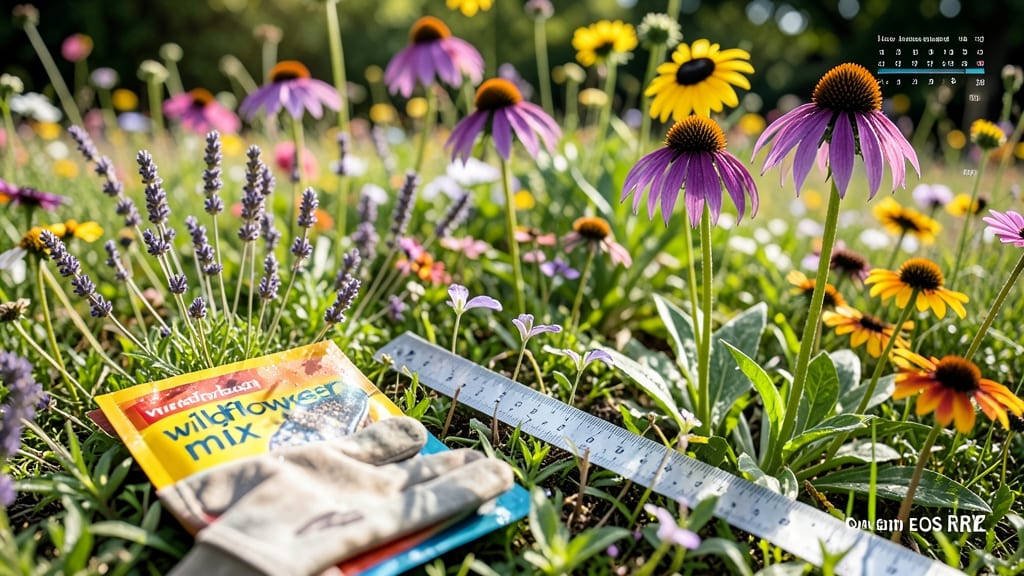
Growing wildflowers from seed takes anywhere from a few weeks to over a year, depending on the type and conditions 🌼—but knowing the stages lets you set realistic expectations and enjoy the process.
Picture this: You scatter seeds in spring, water them lightly, and then wait. What feels like forever is actually just nature’s timeline—some annuals pop up in weeks, while perennials take months to establish roots before blooming. The key is patience, but also understanding how to give them the best shot.
Fast growers like cosmos and zinnias can bloom in as little as 6-8 weeks, while hardier perennials like coneflowers or black-eyed Susans may need a full season—or even two—to reach their full glory. Climate, soil, and sunlight play huge roles in speeding up or slowing down growth.
In this guide, I’ll break down the month-by-month growth stages, share tips to encourage faster blooms, and help you plan your wildflower meadow for maximum color—no matter how long it takes.


Wildflower growth timeline: weeks to bloom by seed type
If you've ever scattered wildflower seeds with dreams of instant color, you know the wait can feel endless. The truth is, wildflowers follow their own schedule—some bloom in just 6 weeks, while others take 2+ years to reach their full glory.
Understanding these timelines helps you set realistic expectations and plan your garden for maximum impact.
Fast-blooming annuals like cosmos and zinnias deliver color in 6-8 weeks, perfect for quick meadows or summer-long displays. Meanwhile, perennials like coneflowers and black-eyed Susans build roots first, rewarding patience with years of blooms. Let’s break down the month-by-month journey from seed to showstopper.
🌱 Key Takeaway: Annuals = speedy blooms; perennials = long-term investments. Your choice depends on whether you want instant gratification or lasting beauty.
| Wildflower Type | Growth Timeline | Bloom Window | Best For |
|---|---|---|---|
| Fast Annuals (Cosmos, Zinnias, Sunflowers) | 2–8 weeks | Late spring–fall (if sown early) | Instant meadows, summer color |
| Medium Annuals (Marigolds, Nasturtiums) | 6–12 weeks | Summer–early fall | Pollinator gardens, borders |
| Slow Perennials (Coneflowers, Black-eyed Susans) | 6–12 months (first year: foliage only) | Year 2–3: summer–fall | Low-maintenance meadows, wildlife habitats |
| Biennials (Foxgloves, Hollyhocks) | Year 1: leaves; Year 2: blooms (12–24 months) | Late spring–summer (Year 2) | Cottage gardens, heirloom beds |
| Slowest Perennials (Lavender, Russian Sage) | 18–24 months | Year 3+: summer–fall | Drought-tolerant landscapes |
Let’s start with the speed demons: cosmos and zinnias sprout in 5–7 days and bloom in just 6–8 weeks. These annuals are the rockstars of quick color, perfect for filling gaps or creating instant pollinator havens.
Plant them in spring for summer blooms, or even late summer for a fall show.
For a mid-range timeline, consider marigolds or nasturtiums, which take 6–12 weeks to flower. These thrive in partial shade and add a pop of orange or yellow. They’re ideal for container gardens or edges where you want color without waiting years.
Now, for the patient gardeners: perennials like coneflowers and black-eyed Susans focus on root growth first. You’ll see foliage by summer, but full blooms arrive in year 2 or 3. The payoff? Decades of low-maintenance beauty. These are the backbone of wildflower meadows and pollinator gardens.
Pro Tip: Mix fast and slow bloomers! Plant cosmos alongside coneflowers so your garden never lacks color. The cosmos will shine early, while the coneflowers build their roots for future seasons.
If you’re dreaming of a wildflower meadow, include biennials like foxgloves or hollyhocks. These take 12–24 months to bloom but reward you with dramatic spikes of color in their second year. Plant them now, and you’ll have a showstopper in 2025!
For the ultimate test of patience, lavender and Russian sage can take 18–24 months to mature. But once established, they’re drought-resistant and low-maintenance, perfect for xeric landscapes or rock gardens. Their fragrant blooms attract bees and butterflies for years.
Remember: climate matters. In warmer zones (8–10), fast annuals may bloom even quicker (as little as 4 weeks). In cooler zones (3–6)USDA zone for local adjustments.
Ready to plan? Start with fast annuals for instant gratification, then layer in perennials for long-term magic. Your future self will thank you when your garden bursts into color—year after year! 🌻
Factors that speed up or delay wildflower blooming
Wildflowers are resilient, but their blooming timeline depends heavily on growing conditions. While some annuals like cosmos bloom in just 6-8 weeks, others like perennial coneflowers need 1-2 years to reach full potential. The difference often comes down to how you optimize these key factors.
Sunlight exposure is the most critical factor for wildflower growth. Most varieties thrive with 6-8 hours of full sun daily, but some shade-tolerant species like black-eyed Susans can handle partial shade. Too little light delays blooming, while too much can stress delicate seedlings.
Soil quality directly impacts root development and nutrient uptake. Wildflowers prefer well-draining soil with a pH between 6.0-7.5. Amending clay soil with compost or sand can speed up germination and flowering time by 2-4 weeks compared to unamended soil.
Watering frequency creates a major divide in growth rates. Overwatering leads to root rot and delayed blooming, while underwatering stresses plants. Most wildflowers need 1 inch of water weekly, but drought-tolerant varieties like lupine can thrive with less.
🌱 5 Critical Factors That Control Wildflower Blooming Speed
- 1 Sunlight exposure: 6+ hours daily accelerates blooming by 30% compared to partial shade
- 2 Soil quality: Well-draining soil with compost reduces germination time by 1-2 weeks
- 3 Watering frequency: Weekly 1-inch watering prevents stress delays; drought-tolerant species need less
- 4 Climate zones: USDA Zones 3-9 support fastest growth; cooler zones delay blooming by 4-6 weeks
- 5 Seed depth: Planting 1/4-inch deep ensures faster sprouting vs. 1/2-inch depth which can delay by 10 days
Climate zones play a surprising role in blooming timelines. Wildflowers in warmer southern zones (8-10) often bloom 4-6 weeks earlier than those in cooler northern zones (3-5). For example, California poppies may bloom by May in Zone 9, but wait until July in Zone 5.
Seed depth also affects germination speed. Planting wildflower seeds too deep (beyond 1/2-inch) can delay sprouting by 10 days or more, while shallow planting (1/4-inch) encourages faster emergence. Always follow species-specific guidelines—some delicate seeds need just light coverage.
By optimizing these factors, you can accelerate blooming by 30-50% in ideal conditions. Start with full sun exposure and well-prepared soil, then adjust watering based on your local climate. Patience is key, but these tweaks make a world of difference! 🌻