
Flowers
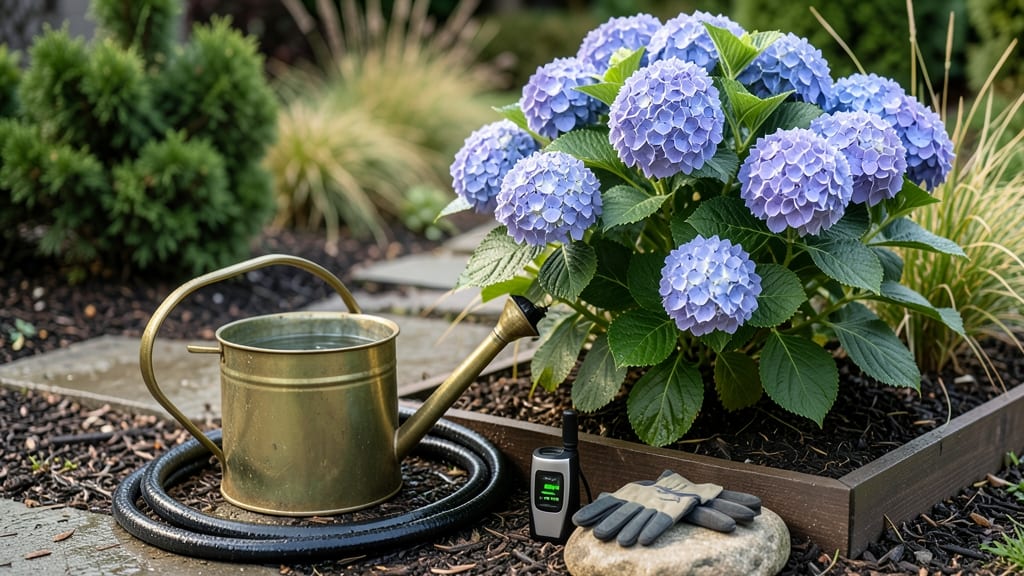
How long to water flowers properly is the secret to keeping them lush and healthy without overdoing or underdoing it.
Overwatering or underwatering your flowers can stifle their growth—or even kill them. The key to perfect hydration lies in understanding your soil type and adjusting your watering routine accordingly.
Clay soil holds moisture like a sponge, while sandy soil drains faster than a sieve. Even the same type of flower will need 5 minutes of water in clay but 15 minutes in sandy soil to reach the roots.
Below, I break down how to match watering time to your soil, recognize when your flowers are happy (or stressed), and tweak your schedule for seasonal shifts.
Optimal watering duration by soil type: clay vs. sandy vs. loamy
Your soil type determines how quickly water drains and how long moisture lasts for your flowers. Clay soil holds water like a sponge, while sandy soil lets it slip away.
Loamy soil strikes the perfect balance. Understanding these differences helps you avoid overwatering or underwatering, both of which can harm your plants.
For clay soil, water penetrates slowly, so shorter, more frequent sessions prevent soggy roots. In sandy soil, water disappears fast, requiring longer watering to reach deeper roots. Loamy soil is forgiving but still needs attention to maintain ideal moisture levels.
Let’s break down the best watering durations for each type.
If you’re unsure about your soil type, perform a simple test: Grab a handful of damp soil and squeeze it. If it forms a tight ball that cracks when dropped, it’s clay.
If it crumbles easily, it’s sandy. A smooth, slightly sticky feel indicates loamy soil. Adjust your watering schedule based on these results for healthier flowers.
For clay-heavy gardens, consider adding organic matter like compost or perlite to improve drainage. In sandy soil, mix in peat moss or coco coir to retain moisture. Loamy soil is already nutrient-rich, but a layer of mulch helps conserve water and regulate temperature.
Always water at the base of plants rather than overhead to minimize evaporation and disease risk. Use a moisture meter or stick your finger 1–2 inches into the soil to check moisture levels. If the top inch feels dry, it’s time to water again.
Young flower seedlings need consistent moisture, so monitor their soil closely. Mature plants, however, can often tolerate slightly drier conditions. Always adjust based on weather conditions—hot, windy days may require extra water, while rainy seasons call for reduced watering.
Overwatering is a common mistake, especially in clay soil, where roots suffocate in soggy conditions. Look for yellowing leaves or mushy stems as warning signs. Underwatering, common in sandy soil, causes wilting or brown leaf tips. Balance is key to keeping your flowers thriving.
Pro tip: Group plants with similar water needs together in your garden. For example, petunias and marigolds prefer consistent moisture, while lavender and roses tolerate drier conditions. This zoning strategy simplifies your watering routine.
With the right approach, your flowers will bloom beautifully all season long. Start by identifying your soil type, then follow the guidelines above to water like a pro. Happy gardening! 🌸
Signs your flowers need more or less water (and how to fix it)
Your flowers send clear signals when their hydration is off—yellowing leaves or mushy stems scream overwatering, while crispy edges and drooping petals mean they're thirsty. As a gardener, I've learned to read these cues like a pro, and I'll show you how to fix common watering mistakes without guessing.
First, check the soil moisture by sticking your finger 1-2 inches deep. If it feels damp, hold off on watering. For potted flowers, lift the container—if it's heavy, the roots are likely soggy. Understanding these signs prevents root rot while keeping blooms vibrant and healthy.
⚠️ callout-warning ⚠️
⚠️ Watering Too Long = Root Rot Risk
Most flowers need 5-15 minutes of watering—clay soil drains slower (5-10 mins), while sandy soil needs 10-15 mins. Overwatering in containers is worse: 30-60 seconds is often enough. Use a moisture meter to avoid soggy soil.
💧 Pro Tip: Water until 1 inch of soil is moist, then stop.
For underwatered flowers, look for wilting stems that don't perk up after watering or dry, papery leaves. If the soil pulls away from the pot edges, it's bone-dry.
Revive them by watering deeply until it runs out the drainage holes, then mulch to retain moisture. Morning watering is best—it gives roots time to absorb before evening evaporation.
If your flowers show mold or white fuzz on the soil, you're overwatering. Remove affected plants and let the soil dry completely before repotting. Amend heavy clay soil with perlite or compost to improve drainage.
For potted flowers, ensure containers have drainage holes and never let them sit in saucers of water.
Adjust your schedule based on weather and season. In summer, water every 2-3 days (or daily for annuals like petunias), while winter often requires bi-weekly watering. Group plants with similar needs together to streamline care—succulents and lavender hate moisture, while roses and hydrangeas crave consistent hydration.
Don't ignore leaf color changes: Yellow leaves with green veins mean overwatering, while uniform yellowing could signal nutrient deficiency. Pair these fixes with a balanced fertilizer (like 5-10-10) every 4-6 weeks during the growing season. With these adjustments, your flowers will thrive without the guesswork.