
Light Requirements
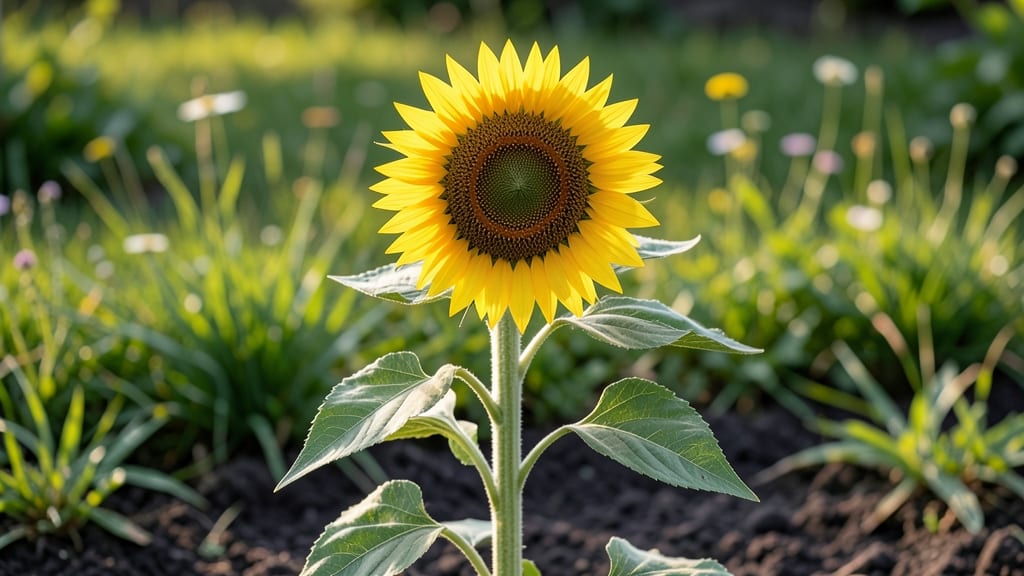
Sunflowers need how much light does a sunflower need—specifically 6 to 8 hours of direct sunlight daily—to reach their full towering potential, but many gardeners unknowingly starve their plants by placing them in the wrong spot.
Picture this: your sunflower seedlings, once vibrant and eager, stretch painfully toward the sky like they’re reaching for a distant sun—only to collapse into leggy, weak stems that never bloom. That’s the telltale sign of light deprivation, and it’s easier to fix than you think.
These sun-loving giants thrive when planted in full sun, but even a few hours of shade can stunt their growth or delay flowering. The key isn’t just any sunlight—it’s the intensity and duration that matters.
A south-facing garden bed or a spot with minimal obstructions (like trees or buildings) will give your sunflowers the energy they need to grow 10 feet or taller in a single season.
If your sunflowers are already struggling, don’t panic.
We’ll cover how to diagnose light issues—think pale leaves, weak stems, or buds that refuse to open—and what you can do to rescue them, whether it’s relocating them, pruning for better light exposure, or even using reflective surfaces to trick them into thinking they’re in full sun.
By the end of this guide, you’ll know exactly where to plant your sunflowers for maximum growth, how to adjust for seasonal sun shifts, and the one simple trick that can turn a lackluster sunflower into a showstopper. Let’s get those 🌻 reaching for the sky the right way.

Sunlight requirements for sunflowers: the full sun rule explained
Sunflowers are sun-worshippers, craving 6 to 8+ hours of direct sunlight daily to reach their full 10-foot+ potential. Without enough light, their growth slows, stems weaken, and blooms become sparse. This isn’t just guesswork—it’s rooted in photosynthesis science, where sunlight fuels their rapid vertical expansion.
Let’s break down exactly what your sunflowers need and why cutting corners on light leads to disappointing results.
The full sun rule for sunflowers isn’t negotiable. While some plants tolerate partial shade, sunflowers thrive only in full sun. Their large, broad leaves are designed to absorb maximum sunlight, converting it into energy for towering growth.
Even 4 hours of shade daily can reduce their height by 30-50%, and their seed production drops dramatically. Think of sunlight as their fuel source—skimp on it, and you’ll get a sad, leggy plant instead of a majestic giant.
| Sunflower Type | Minimum Sunlight | Ideal Sunlight | Growth Impact |
|---|---|---|---|
| Dwarf Varieties (e.g., 'Teddy Bear') | 5-6 hours | 6-8 hours | Compact but slower blooming |
| Semi-Dwarf (e.g., 'Moulin Rouge') | 6 hours | 8+ hours | Healthy stems, vibrant blooms |
| Standard (e.g., 'Mammoth') | 8 hours | 10+ hours | Max height and seed yield |
| All Varieties in Containers | 6 hours | 8+ hours | Slower growth, smaller blooms |
Measuring sunlight accurately is key. Use a sunlight tracker or observe your garden’s light patterns for a week. Note when shadows from trees, fences, or buildings fall across your planting area. Sunflowers need uninterrupted sunlight, so even morning sun with afternoon shade won’t cut it.
If your garden only gets 4-5 hours of direct sun, consider growing shade-tolerant alternatives like zinnias or marigolds instead.
The science behind sunflower light needs lies in their photosynthesis efficiency. Sunflowers have a high light compensation point, meaning they need bright light just to break even on energy production. In low light, they burn more energy than they gain, leading to weak stems and poor flowering.
Their leaves are also highly reflective in the blue light spectrum, which is crucial for photosynthesis. Without enough blue light, their growth stalls, and their leaves turn pale or yellow.
Seasonal sun angles matter too. In summer months, sunlight is more direct, giving sunflowers the intense light they crave. But in spring or fall, when the sun sits lower in the sky, they may need additional protection from wind to prevent stem damage.
If you’re planting in early spring, start seeds indoors under grow lights to give them a head start before transplanting to the garden.
Partial shade stunts sunflowers in three key ways. First, it reduces their chlorophyll production, leading to weak, pale leaves. Second, their stems become leggy and spindly as they stretch toward any available light.
Third, their flowering is delayed or never happens, leaving you with a plant that looks more like a weed than a sunflower. Even if you love the idea of sunflowers in a shady spot, the results will be disappointing at best.
For container sunflowers, location is everything. Place pots on patios, balconies, or rooftops where they get maximum sunlight exposure. South-facing spots are ideal, but west-facing areas also work well. If your space only gets morning sun, rotate the pot daily to ensure even light distribution.
Remember, sunflowers in containers dry out faster, so pair their light needs with consistent watering to avoid stress.
If you’re in a high-altitude area, like the Rocky Mountains, sunlight is more intense, but the UV index is higher. While sunflowers love bright light, afternoon shade can protect them from sunburn, especially in USDA zones 7 and above.
In tropical climates, morning sun with afternoon shade prevents wilting, but they’ll still need at least 6 hours of direct light to thrive.
Pro tip: Use reflective surfaces like white walls, mirrors, or gravel to bounce extra light onto sunflowers in shady spots. This trick can add 1-2 hours of effective sunlight per day, making a noticeable difference in growth.
Pair this with companion planting, like tall grasses or corn, to create a microclimate with better light exposure for your sunflowers.
Finally, watch for signs of light deprivation early on. If your sunflowers develop yellowing leaves, weak stems, or
How to optimize sunlight for sunflowers in different climates
Sunflowers thrive in full sun, but what happens when your garden isn’t basking in 6+ hours of direct light daily? The good news is that with clever adjustments, you can still grow stunning sunflowers—even in urban containers, shaded patios, or high-altitude gardens.
Let’s explore climate-specific strategies to maximize sunlight exposure for your towering beauties.
In tropical climates, intense midday sun can scorch sunflowers, while high-altitude gardens often face shorter daylight hours. Urban gardens may lack space for ideal positioning, and containers can overheat or cool too quickly.
Each scenario requires tailored solutions to ensure your sunflowers get the photosynthetic power they crave for robust growth.
🌱 How Much Light Does a Sunflower Need?
- 6-8+ hours of direct sunlight daily for optimal growth and flowering.
- 4-6 hours may work for dwarf varieties but risks weak stems and fewer blooms.
- Use reflective surfaces (mirrors, white walls) to bounce extra light into shaded spots.
- Rotate containers weekly to ensure even light exposure on all sides.
- Plant tall companions (corn, millet) to block harsh afternoon sun in hot climates.
For urban gardeners, maximizing vertical space is key. Mount containers on south-facing walls or use reflective mulch (like white gravel) to redirect sunlight. In shaded areas, opt for dwarf sunflower varieties like 'Teddy Bear' (2-3 feet tall), which tolerate partial shade better than standard types.
High-altitude gardens often face cooler temperatures and shorter growing seasons. Extend your sunflowers’ light exposure by planting in low-lying areas where cold air settles less, or use cold frames to create microclimates.
In tropical zones, provide afternoon shade with lightweight shade cloth (30-50% coverage) to prevent heat stress while still allowing plenty of morning sun.
Seasonal adjustments matter too. In spring and fall, when sunlight is less intense, position sunflowers to catch the low-angle rays of morning or late afternoon. During summer solstice, move containers to partial shade by 2 PM to avoid wilting.
Companion planting with nitrogen-fixing crops (like beans) can also improve soil health, indirectly supporting sunflower resilience in less-than-ideal light.
Even with these tweaks, monitor your sunflowers for signs of light stress: elongated stems, pale leaves, or buds that fail to open. If you notice these, it’s time to reposition or supplement with grow lights (12-14 hours/day) for indoor containers.
With the right approach, your sunflowers can thrive—no matter where you garden! 🌻