
Light Requirements
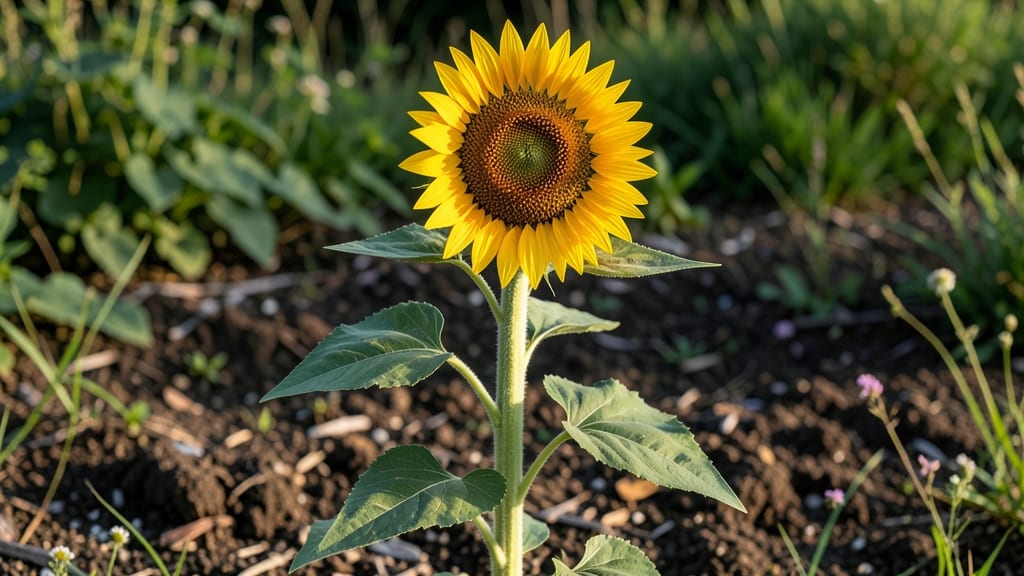
Sunflowers need direct sunlight to grow tall and strong 🌻—skimp on the light, and you’ll end up with sad, spindly stems instead of those towering beauties you’re dreaming of.
Picture this: You’ve planted your sunflower seeds with high hopes, only to watch them stretch toward the sky like they’re searching for something they’ll never find. That’s the classic sign of insufficient sunlight, and it’s a heartbreak no gardener wants.
The good news? With the right light, your sunflowers can reach heights of 10 feet or more—all it takes is knowing the exact conditions they thrive in.
Most sunflowers demand 6 to 8+ hours of direct sunlight daily, and cutting corners here leads to problems like leggy growth, weak stems, or flowers that never fully open. Even partial shade can stunt their growth, making them vulnerable to pests and diseases.
But don’t worry—this guide will show you how to position your sunflowers for maximum success, whether you’re planting in a garden bed or a container on your patio.
You’ll learn the ideal sunlight duration for different varieties, how to spot early warning signs of light deprivation, and even which sunflowers can handle slightly shadier spots. By the end, you’ll have all the tools to grow sunflowers that stand tall, bloom bright, and turn every head in the neighborhood.

How many hours of direct sunlight sunflowers need for maximum growth
Sunflowers thrive under the sun's golden embrace, but their sunlight requirements are often misunderstood. While they love light, not all varieties need the same amount. Standard sunflowers demand 6-12 hours of direct sunlight daily for optimal growth, but dwarf varieties can tolerate slightly less.
Without enough light, you'll end up with leggy stems and tiny blooms instead of towering giants.
Direct sunlight is non-negotiable for sunflowers—their photosynthesis process relies on intense light to produce energy for growth. In partial shade, sunflowers may grow slowly or fail to bloom entirely.
Even 6 hours of morning sun combined with afternoon shade can lead to weak stems that struggle to support heavy flower heads.
Here's how sunlight needs vary by sunflower variety and growth stage:
| Variety | Minimum Sunlight | Ideal Sunlight | Growth Impact |
|---|---|---|---|
| Russian Giant | 8+ hours | 10-12 hours | Max height 12-14 ft |
| Teddy Bear | 4-6 hours | 6-8 hours | Compact 1-3 ft blooms |
| Moulin Rouge | 6+ hours | 8-10 hours | Deep red blooms, 5-6 ft |
| Autumn Beauty | 6+ hours | 8-10 hours | Multi-colored blooms |
| All varieties (seed production) | 8+ hours | 10-12 hours | Full seed development |
Young sunflower seedlings need gentle but consistent sunlight to prevent damping-off disease. Once they reach 6 inches tall, they can handle full sun exposure. During the budding stage, sunflowers require maximum light to develop large, vibrant blooms.
If you notice small buds or pale centers, your plants likely need more sunlight.
In cooler climates like USDA Zones 3-5, sunflowers benefit from extended sunlight exposure to compensate for shorter growing seasons. Aim for full sun from morning until early evening—this gives them the energy they need to grow tall and strong.
In hotter regions (Zones 8-10), afternoon shade can prevent sunburn, but morning sun is essential.
Container-grown sunflowers have even stricter sunlight needs because their root systems are limited. Place them in south-facing containers where they can receive unobstructed sunlight. If your patio only gets partial sun, choose dwarf varieties like 'Teddy Bear' that can tolerate slightly less light.
Remember, sunflowers will lean toward the sun—this is normal but can lead to weak stems if they're stretched too much.
For maximum growth, rotate your sunflower containers every few days so all sides receive even sunlight. This prevents lopsided growth and ensures your plants develop strong, sturdy stems capable of supporting their massive blooms.
In my garden, I've found that 6-8 hours of morning sun combined with 2-4 hours of afternoon sun works well for standard varieties in partial shade situations.
If you're growing sunflowers for seed production, they absolutely need 10-12 hours of direct sunlight daily. Seed development requires maximum energy, and insufficient light will result in small, underdeveloped seeds.
Even if your sunflowers bloom in partial shade, their seeds may not be viable for planting. For the best results, give seed-bearing sunflowers the full sun treatment they deserve.
Pro tip: Use a sunlight tracker or simple timer to monitor your sunflowers' light exposure. Most smartphones have apps that can help you track sunlight hours in your specific location.
In my experience, sunflowers grown with optimal sunlight can reach maturity 30-50% faster than those in low-light conditions, giving you more time to enjoy their stunning blooms before fall arrives.
Remember, sunflowers are heliotropic—they follow the sun's movement across the sky. This natural behavior is most pronounced in young plants and helps them maximize their light exposure. Embrace this quirky trait by giving your sunflowers the brightest, sunniest spot you can find in your garden or patio.
Your golden giants will thank you with towering stems and vibrant blooms that turn every head in the neighborhood.
Signs your sunflowers aren’t getting enough light (and how to fix it)
If your sunflowers look more like sad stalks than towering giants, light deprivation might be the culprit. Sunflowers are sun-worshippers—they crave 6-12 hours of direct sunlight daily to grow strong and bloom spectacularly.
Without enough light, they’ll stretch, weaken, and produce tiny, sad flowers instead of the vibrant giants you planted.
I’ve seen this happen in my own garden when I moved sunflowers under a partial shade tree by mistake. The results? Leggy stems, pale leaves, and blooms the size of quarters instead of dinner plates.
Don’t let this happen to your plants—recognizing the signs early can save your sunflowers and give them the energy they need to thrive.
⚠️ Sunflowers NEED Direct Sunlight—Here’s Why
Sunflowers are heliotropic, meaning they follow the sun to maximize energy absorption. Without direct sunlight, they’ll:
- Stretch toward light (leggy growth)
- Develop weak stems (prone to snapping)
- Produce tiny blooms (or none at all)
- Get pale or yellow leaves (chlorosis)
Even 6 hours of partial shade can stunt growth—sunflowers won’t tolerate compromise!
One of the first visual red flags is excessive stem elongation. If your sunflowers are taller than usual with thin, weak stalks, they’re desperate for light. This happens because plants stretch toward any available light source, creating an unsteady structure that can’t support heavy blooms.
I’ve had to stake these leggy sunflowers just to keep them upright—hardly the dramatic display you want!
Another dead giveaway is small, underdeveloped blooms. Sunflowers need sunlight to produce the energy required for large, vibrant flowers. If yours are peanut-sized or fail to open fully, it’s a clear sign of light starvation.
In my garden, I once grew ‘Moulin Rouge’ sunflowers in a north-facing bed—the blooms were barely bigger than my palm and never fully unfurled. The lesson? Location matters more than you think.
To fix these issues, start by relocating your sunflowers to a sunnier spot. If you’re growing in containers, move them to a south-facing patio or balcony where they’ll get maximum sunlight exposure. For indoor growers, supplement with a grow light (12-16 hours/day) to mimic natural light.
I’ve had great success with LED grow lights placed 12-18 inches above my sunflowers—just don’t forget to rotate them daily for even growth.
If your sunflowers are already too leggy, prune the top 1-2 inches of the stem to encourage bushier growth. This might seem counterintuitive, but it helps redirect energy to lateral branches and blooms instead of just vertical stretching.
Pair this with a balanced fertilizer (like 5-10-10) to give them a nutrient boost. With these fixes, your sunflowers should start perking up within days—just give them time to adjust!
Remember, sunflowers are sun-seekers—they won’t thrive in shade. By acting fast and giving them the light they crave, you’ll be rewarded with towering, golden blooms that turn heads (and Instagram feeds) all season long. 🌻