
Plants
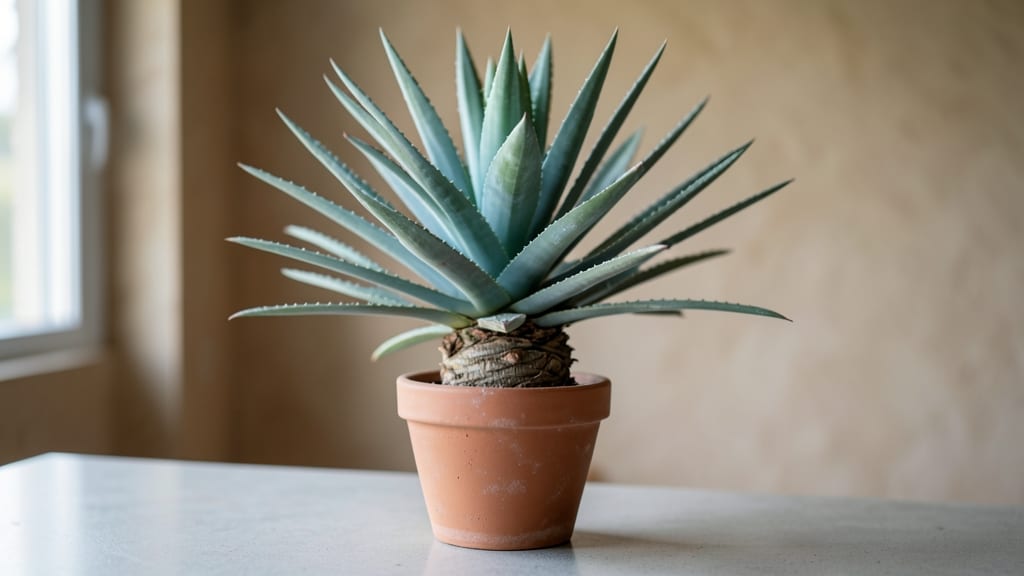
A yucca plant flowers about every 2-5 years once mature, but timing depends on its age, species, and care—unlocking those stunning white spikes isn’t just luck.
If you’ve ever wondered why your 🌵 yucca stays stubbornly green while others burst into bloom, the answer lies in its maturity stage and seasonal triggers. Some varieties, like Yucca filamentosa, may flower annually in ideal conditions, while others take longer—especially if they’re young or stressed.
This guide breaks down the science behind flowering cycles, from how sunlight and watering play a role to the critical mistakes that keep blooms at bay.
Whether your yucca is a 6a zone shrub or a container plant, you’ll learn how to coax those dramatic flower stalks with simple, actionable tips.
Ready to transform your yucca from a leafy backdrop into a showstopper? We’ll cover everything from pruning strategies to soil secrets—so you can enjoy those striking blooms year after year.

Yucca plant flowering frequency: age, species & natural cycles explained
Yucca plants are famous for their striking, architectural foliage, but their flowering frequency often surprises gardeners. Unlike annuals, yuccas bloom based on maturity, species, and seasonal triggers, not a fixed calendar.
For example, a 5-year-old Yucca filamentosa might flower every 2-3 years, while a 10-year-old Yucca rostrata could bloom annually. Understanding these patterns helps you set realistic expectations and optimize care for those showstopping white blooms.
Most yuccas follow a biennial or perennial cycle, meaning they alternate between growth and dormancy phases. Young plants (under 3 years old) rarely bloom—they prioritize root and foliage development. Only when they reach mature size (3-5+ years) do they allocate energy to flowering.
This natural delay explains why your neighbor’s yucca might be covered in blooms while yours stays green. Species differences also play a role; some, like Yucca gloriosa, bloom more frequently than others.
| Species | Maturity Age | Flowering Frequency | Peak Season | Notes |
|---|---|---|---|---|
| Yucca filamentosa | 3–5 years | Every 2–3 years | Late spring | Drought-tolerant; blooms after rain |
| Yucca rostrata | 5–7 years | Annually (mature) | Summer | Slow-growing; needs full sun |
| Yucca gloriosa | 4–6 years | Every 3–4 years | Early summer | Cold-hardy; blooms after winter chill |
| Yucca elephantipes | 7–10 years | Every 5–7 years | Spring | Slow to mature; indoor-friendly |
Yucca plants rely on seasonal dormancy to trigger blooming. Most species need a cool winter period (even in warm climates) to break dormancy. For example, Yucca filamentosa in USDA Zone 7 typically blooms in late spring (April–May) after winter rains.
In contrast, Yucca rostrata in Zone 5 may wait until summer (June–July) when soil temperatures rise. If you live in a tropical climate with no winter chill, your yucca might skip flowering entirely or bloom sporadically.
Light exposure directly impacts flowering. Yuccas need 6+ hours of full sun daily to produce blooms. Shade-loving varieties like Yucca recurvifolia may never flower if kept indoors or under partial shade. Even outdoor yuccas in afternoon shade (common in hot climates) often produce fewer blooms.
If your yucca isn’t flowering, check its sunlight exposure—move it to a south-facing spot or supplement with a grow light during winter.
Watering plays a critical but delicate role in yucca flowering. These plants are drought-tolerant, and overwatering suppresses blooms by encouraging leafy growth over flowers.
For example, a Yucca gloriosa in well-draining soil might bloom after a dry spell in late winter, while one in consistently moist soil may never flower. Aim for deep watering every 2–3 weeks in summer and monthly in winter.
Reduce watering 2 months before expected bloom time to mimic natural drought conditions.
Soil quality affects flowering too. Yuccas thrive in sandy, gritty, or rocky soil with a pH of 6.0–7.5. Heavy clay or water-retentive mixes can stress the plant, diverting energy away from blooms.
Amend your soil with coarse sand or perlite to improve drainage. A light spring feeding with a balanced fertilizer (5-10-10) can also encourage flowering, but avoid heavy doses—yuccas prefer nutrient-poor conditions to bloom.
Age isn’t the only factor—stress can trigger flowering. Some gardeners report that pruning back dead leaves or transplanting a mature yucca can prompt blooms the following year. This works because the plant perceives the stress as a signal to reproduce before potential death.
However, avoid over-pruning; remove only brown or damaged leaves to maintain the plant’s energy balance. If your yucca is over
5 Seasonal triggers to encourage yucca blooming (with care mistakes to avoid)
Yucca plants often surprise gardeners by blooming sporadically—sometimes once every 2-5 years—but the right seasonal cues can shift that timeline dramatically. The key lies in mimicking their natural dormancy cycles and growth triggers.
For example, Yucca filamentosa typically blooms in late spring, while Yucca rostrata may wait until summer. Understanding these patterns helps you time interventions for maximum impact.
I’ve found that sunlight exposure is the #1 trigger for yucca blooming. These plants thrive in 6+ hours of direct sun daily, but many gardeners unintentionally starve them of light by placing them in partial shade.
Even container-grown yuccas need south-facing window placement or supplemental grow lights during winter months to prevent skipped blooming cycles.
- 🌞 Spring sunlight surge: Move plants to full sun by March 15 to trigger flowering hormones.
- 💧 Water reduction: Cut back to bi-weekly deep soaks in late summer to signal dormancy.
- 🌡️ Temperature shifts: Allow night temps to drop to 50-60°F for 2+ weeks before bloom season.
- ✂️ Prune old blooms: Remove dead flower stalks in late winter to redirect energy to new growth.
- 🌱 Fertilizer timing: Apply low-nitrogen (5-10-10) fertilizer in early spring only—never during bloom season.
Avoid these critical blooming killers that even experienced gardeners make: Overwatering in winter causes root rot and delays flowering by 1-2 years. I once watched a yucca skip three bloom cycles because its owner used high-nitrogen fertilizer during summer—this forces leafy growth instead of flower buds.
Always use balanced 5-10-10 in spring and zero fertilizer during bloom season.
Temperature plays a sneaky role too. Yuccas need a cool winter chill period (40-50°F) to reset their biological clock. In warm climates like USDA Zone 9+, I recommend moving potted yuccas to a garage or shaded patio for 4-6 weeks in December to mimic natural dormancy.
This simple trick can advance blooming by 4-6 weeks the following spring.
Pruning isn't just about aesthetics—it's a blooming trigger. After your yucca flowers, cut back the dead stalk at the base (never the leaves) in late winter. This removes the plant's energy drain and signals it's time to produce new buds.
Pro tip: If your yucca hasn't bloomed in 3+ years, prune 1/3 of the oldest leaves to stimulate growth hormones.
Remember, yuccas reward patience. With these seasonal triggers, you can shift from once-every-5-years blooming to annual flowers—but only if you avoid the common mistakes. The secret? Less water, more sun, and strategic pruning—not forcing the plant with excessive care.
Your yucca will thank you with those dramatic white bell-shaped blooms you've been waiting for! 🌵