
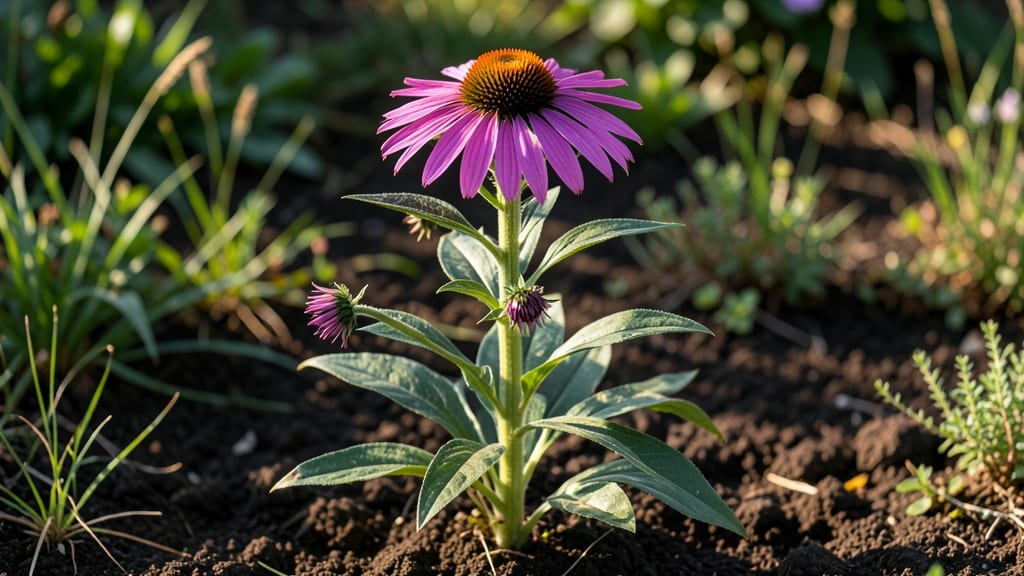
How Tall Are Coneflowers: Exact Heights by Variety for Space Planning

Flowers

How Tall Are Coneflowers: Exact Heights by Variety for Space Planning

Coneflowers grow anywhere from 1 foot to over 5 feet tall, depending on the variety and growing conditions—so your garden plan might need a taller fence than you expected.

Picture this: a dwarf variety like 'White Swan' stays neatly at 18-24 inches, perfect for borders, while 'Magnus' stretches toward your waist or higher. That’s a 3-foot difference in the same genus!

Sunlight, soil, and maturity all tweak the final height—full sun and rich soil push them taller, while pruning or container growing can keep them in check. Below, I’ll break down exact heights by variety and share spacing tricks to avoid crowding.

Whether you’re designing a pollinator meadow or a small container garden, knowing these heights helps you place them where they’ll thrive without stealing the show from your shorter plants.

Dwarf
1-2 ft
Container friendly
Semi-Dwarf
2-3 ft
Most popular
Standard
3-5 ft
Full orchard size

Coneflower height by popular variety: from dwarf to giant

Coneflowers (Echinacea purpurea and hybrids) are prized for their durability, pollinator appeal, and striking vertical presence in gardens. But their height varies wildly—from compact 12-inch mounds to towering 5-foot giants.

Knowing exact dimensions helps you plan borders, containers, or meadow plantings without overcrowding. Most varieties thrive in full sun, though some tolerate partial shade, which can slightly reduce height.

For small gardens or containers, dwarf varieties like 'Sombrero Purple' stay under 2 feet, while 'Magnus' and 'White Swan' reach 4-5 feet—perfect for backdrop plantings. Even within the same species, soil fertility, watering, and sunlight influence growth.

Let’s break down 12+ popular varieties with precise height ranges and care notes to help you space plants perfectly.

🌼

td style="padding: 10px;">24–30"

How coneflower height affects garden spacing and companion planting

Coneflower height dramatically impacts your garden layout, from creating bold focal points to filling gaps in layered borders. Understanding these height categories ensures your spacing plan supports both aesthetics and plant health.

Dwarf varieties stay under 2 feet, while tall types can reach 5 feet—each requiring different companion plants and design approaches.

Proper garden spacing prevents overcrowding, which can lead to disease spread and reduced airflow. For tall coneflowers, allow 24-36 inches between plants, while dwarf varieties can thrive just 12-18 inches apart. This spacing also determines which companion plants will thrive without competing for sunlight or nutrients.

Coneflower Height Categories & Spacing Guide

Dwarf (1-2 ft)
✅ Space: 12-18"
✅ Best for: Front borders, containers, pollinator gardens
Medium (2-3 ft)
✅ Space: 18-24"
✅ Best for: Mid-border layers, mixed beds
Tall (3-5 ft)
✅ Space: 24-36"
✅ Best for: Back borders, focal points, wildflower meadows
Pro Tip
🌱 Use tall varieties as backdrop plants for shorter perennials like black-eyed Susans or salvia.

For dwarf coneflowers, pair them with low-growing companions like creeping thyme or coral bells to create textured ground covers. These combinations work beautifully in rock gardens or container arrangements, where height control is essential.

The 12-18 inch spacing between dwarf coneflowers leaves room for these companions to thrive without shading each other.

Medium-height coneflowers (like Echinacea 'Magnus') shine in mid-border placements, where they can anchor salvia, Russian sage, or bee balm. Their 18-24 inch spacing creates natural airflow, reducing the risk of powdery mildew—a common issue in dense plantings.

This height range also makes them ideal for cut flower gardens, where stems are long enough for arrangements but not so tall they topple over.

Tall coneflowers demand the most space but offer the most dramatic impact. Plant them 24-36 inches apart in back borders or as standalone specimens near pathways. Their towering presence pairs beautifully with grasses like feather reed grass or tall ornamental grasses for movement and texture.

In wildflower meadows, let them grow naturally without strict spacing to create a naturalistic look.

Create vertical interest by layering coneflowers of different heights. Start with dwarf varieties in the front, add medium-height plants in the middle, and place tall coneflowers at the back. This technique draws the eye through your garden while ensuring every plant gets the sunlight it needs.

For container gardens, choose one dwarf variety and pair it with trailing plants like lobelia for a balanced look.

★★★★★5.0(10 reviews)
Categories Flowers
Variety Mature Height Spread Sun Needs Notes
'Sombrero Purple' 12–18" 12–18" Full sun Dwarf, container-friendly, blooms early
'Green Envy' 18–24" Full sun Unique green petals, medium height, pollinator magnet
'White Swan' 36–48" 24–30" Full sun Classic white blooms, backdrop plant, deer-resistant
'Magnus' 48–60" 30–36" Full sun Tallest variety, long bloom season, cut-flower favorite
'Hot Papaya' 24–30" 18–24" Full sun/partial shade Orange-pink blooms, shade-tolerant, compact habit
'Kim’s Knee High' 18–24" 12–18" Full sun Ultra-dwarf, border edging, prolonged blooms
'Cheyenne Spirit' 30–36" 20–24" Full sun Red-pink blooms, drought-tolerant, long stems
'Vanilla Haze' 24–30" 18–24" Full sun/partial shade Soft pink blooms, fragrant, shade-adaptive
'Green Jewel' 24–30" 18–24" Full sun Green centers, compact, great for cuttings
'Purple Beauty' 36–48" 24–30" Full sun Classic purple, reliable bloomer, deer-resistant
'White Lustre' 30–36" 20–24" Full sun Pure white, glossy petals, pollinator favorite