
Plants
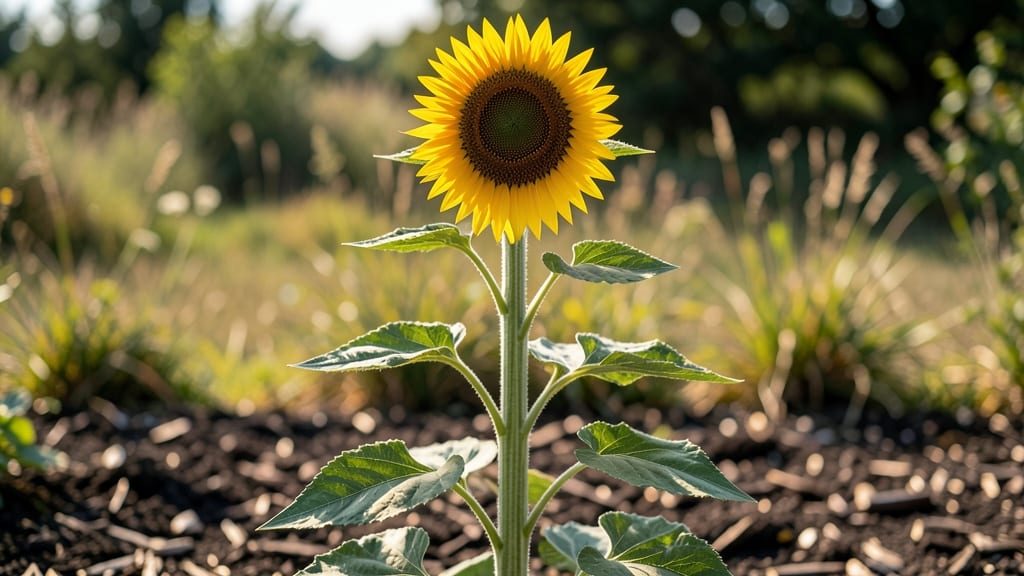
How tall do sunflower plants grow? They can reach heights between 3 and 16 feet, depending on the variety and growing conditions—from compact dwarf types to towering giants that dwarf even the tallest gardeners.
Picture this: a sunflower 🌻 so tall it blocks your view of the neighbor’s fence, its golden face tracking the sun like a celestial compass. That’s not just a pretty face—it’s a plant that can grow 10 feet in a single season, given the right conditions.
But not all sunflowers reach for the sky. Dwarf varieties stay under 3 feet, making them perfect for containers or small gardens, while standard types like ‘Mammoth’ can stretch toward 12 feet or more. The key? Variety selection, spacing, and a little TLC.
In this guide, I’ll break down the height ranges by type, how to space them for maximum growth, and the simple care tricks that keep them standing tall—no flopping or bending required.


Sunflower height by variety: from dwarf to giant types
If you’ve ever wondered how tall do sunflower plants grow, the answer spans from charming dwarf varieties to jaw-dropping giant sunflowers that dwarf even the tallest gardeners.
The height of your sunflower depends entirely on the variety you choose, with some reaching just 12 inches while others soar to 14 feet or more.
Whether you’re designing a container garden or a dramatic backyard focal point, selecting the right height is key to maximizing both beauty and space efficiency.
Sunflowers are divided into three main height categories: dwarf (12–36 inches), medium (3–8 feet), and giant (8–14+ feet). Each category offers unique benefits—dwarf varieties thrive in small spaces and containers, while giants create stunning vertical interest.
Below, I’ll break down popular cultivars by height, so you can pick the perfect sunflower for your garden’s scale and style.
For small gardens or container growing, dwarf varieties like 'Teddy Bear' or 'Moulin Rouge' are my top picks. These compact sunflowers reach only 2–3 feet but pack a punch with vibrant blooms and long vase life.
They’re perfect for balconies, patio pots, or pollinator gardens where space is limited. Their smaller stature also means they require minimal staking, making them low-maintenance stars.
If you’re aiming for dramatic height, giant varieties like 'Russian Giant' or 'Colossus' will leave your neighbors in awe. These towering sunflowers
Optimal spacing for sunflowers based on height and variety
Proper spacing for sunflowers isn't just about aesthetics—it's crucial for their health and growth potential. Overcrowded sunflowers compete for nutrients, sunlight, and water, leading to stunted growth or weak stems.
I've learned that giving each plant room to breathe prevents disease and ensures those showstopping blooms reach their full potential.
Sunflower varieties come in three main height categories: dwarf (12-36 inches), medium (3-6 feet), and giant (8-16 feet). Each requires different spacing to thrive. For example, my dwarf 'Teddy Bear' variety stays compact, while my giant 'Mammoth' reaches basketball hoop height—clearly, their spacing needs couldn't be more different!
- 🌱 Dwarf varieties (12-36 inches): Space 12-18 inches apart in rows 18-24 inches apart to prevent overcrowding while allowing easy access for maintenance.
- 🌿 Medium varieties (3-6 feet): Provide 18-24 inches apart in rows 24-30 inches apart to support their taller stature and broader root systems.
- 🌳 Giant varieties (8-16 feet): Give them 24-36 inches apart in rows 36-48 inches apart—this prevents stems from leaning and ensures strong, stable growth.
- ✂️ All varieties: Space rows 3 feet apart for dwarf types and up to 6 feet apart for giants to allow airflow and reduce disease risk.
When planning your sunflower garden, consider your variety mix. I often group dwarf varieties together in containers or small spaces, while reserving the back of my garden beds for tall giants. This creates a natural vertical display that maximizes space and visual impact.
For example, planting 'Little Becka' (24 inches) near the front with 'Russian Giant' (12-16 feet) in the back creates a stunning height gradient.
Companion planting can also optimize your sunflower spacing. Pairing sunflowers with shallow-rooted plants like bush beans or lettuce makes efficient use of space while benefiting both plants. Sunflowers act as natural pollinators, attracting bees that also visit nearby vegetables.
I've noticed my tomato yields improve when planted near sunflowers, thanks to this symbiotic relationship.
For container gardening, dwarf varieties are ideal—choose pots at least 12 inches wide and deep for each plant. Place containers where they'll receive full sun and ensure proper drainage to prevent root rot.
I've successfully grown 'Sunspot' (36 inches) in large pots on my balcony, proving that even limited spaces can accommodate sunflowers with the right approach.
Remember, proper spacing isn't just about the numbers—it's about creating an environment where your sunflowers can thrive.
Whether you're growing a single giant specimen or a full border of dwarf varieties, paying attention to their needs will reward you with healthier plants and more spectacular blooms all season long.
The key is observing your plants and adjusting as they grow—sunflowers are forgiving, but they'll always tell you what they need! 🌻