
Size
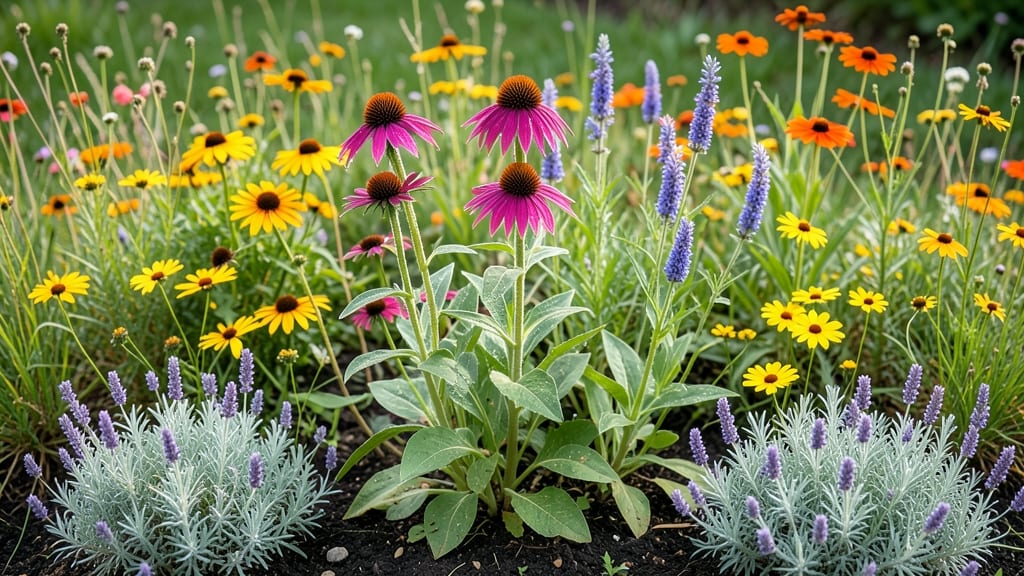
Wildflowers grow anywhere from 6 inches to over 6 feet tall, depending on the variety and growing conditions—so knowing their mature height is the key to designing a balanced, pollinator-friendly garden.
Picture this: a sunflower towering over your fence, its golden petals beckoning bees, while delicate black-eyed Susans and cosmos spill over a border like a painter’s brushstroke.
The right mix of heights creates layers, from ground cover to sky-reaching blooms, but getting it wrong can leave your garden looking crowded or sparse.
Below, we break down the height ranges of 15 popular wildflowers, from dwarf varieties perfect for front borders to towering giants that anchor the back of a meadow. You’ll also discover how sunlight, soil, and spacing affect their growth—and how to pair them for maximum impact.
Ready to turn your garden into a thriving ecosystem? Let’s dive into the numbers so you can plant with confidence, whether you’re filling a small container or restoring a wild meadow.


Wildflower height ranges: short vs. tall varieties explained
When planning your wildflower garden, height matters more than you might think. Short wildflowers (under 12 inches) create perfect edging or container displays, while tall varieties (over 4 feet) make dramatic backdrops.
The right mix can transform a flat landscape into a layered, pollinator-friendly paradise. Let’s explore the most popular wildflower heights and where they thrive best in your garden.
Most gardeners divide wildflowers into three height categories: dwarf (under 12 inches), medium (1-3 feet), and tall (4+ feet). Each category serves a unique purpose in garden design.
Dwarf varieties often work as ground covers or rock garden plants, while medium-height flowers create pollinator pathways. Tall wildflowers anchor borders or provide privacy screens in meadow-style plantings.
Here’s a quick reference for the most popular wildflower heights, including their mature sizes, ideal growing conditions, and best landscape uses:
| Height Range | Popular Varieties | Sun Needs | Soil Type | Best Uses |
|---|---|---|---|---|
| Under 12" | Sweet Alyssum, Baby’s Breath, Creeping Phlox, Moss Phlox, Thyme | Full sun to partial shade | Well-draining, sandy | Rock gardens, container borders, pollinator ground cover |
| 12"–24" | Blackfoot Daisy, Blanket Flower, Calendula, Coreopsis, Shasta Daisy | Full sun | Moderate, loamy | Front of borders, pollinator gardens, wildflower meadows |
| 24"–36" | Coneflower (Echinacea), Goldenrod, Joe Pye Weed, Purple Coneflower, Russian Sage | Full sun | Moist, well-drained | Back of borders, wildlife habitats, cut flower gardens |
| 36"–48" | Bee Balm, Brown-Eyed Susan, Giant Fleabane, Joe Pye Weed, Sunflower (dwarf varieties) | Full sun | Rich, moist | Privacy screens, pollinator pathways, meadow edges |
| 48"+ | Sunflower (tall varieties), Tall Garden Phlox, Tall Verbena, Wild Bergamot, Yarrow | Full sun | Well-draining, fertile | Backdrop plants, cottage gardens, wildlife corridors |
If you’re designing a pollinator garden, consider pairing short wildflowers like baby’s breath (under 12 inches) with tall varieties like sunflowers (4-10 feet). This creates a layered effect that attracts bees, butterflies, and hummingbirds at all levels.
For example, plant black-eyed Susans (2-3 feet) in the middle row and cone flowers (3-4 feet) behind them for continuous blooms.
For container gardening, stick to dwarf varieties like sweet alyssum or creeping phlox. These stay under 12 inches and thrive in small spaces. Mix them with herbs like thyme (also under 12 inches) for a fragrant, low-maintenance display.
Pro tip: Use well-draining soil to prevent root rot in containers, especially for drought-tolerant varieties.
Tall wildflowers like sunflowers (5-12 feet) and giant fleabane (4-6 feet) need full sun and space. Plant them at the back of borders or in meadow-style gardens where they can spread naturally.
To prevent flopping, stake tall varieties like Joe Pye weed (3-5 feet) or use strong companion plants like Russian sage (3-4 feet) for support.
One of my favorite height combinations is a wildflower meadow with short wildflowers in the front (like blanket flower at 12-18 inches) and tall grasses (like switchgrass at 4-6 feet) in the back. This creates a natural, layered look that mimics a prairie ecosystem. Plus, it’s low-maintenance once established!
For urban gardens with limited space, opt for medium-height wildflowers like coreopsis (1-2 feet) or Shasta daisies (2-3 feet). These fit well in raised beds or narrow borders while still attracting pollinators. Just ensure they get at least 6 hours of sun daily for best results.
Remember, wildflower heights can vary based on growing conditions. A sunflower might
How to choose wildflowers based on height for your garden layout
Designing a garden with wildflowers isn’t just about color—it’s about creating layers that work together. Short varieties like blue fescue grass (6–12 inches) make perfect front borders, while tall stalwarts such as sunflowers (6–10 feet) anchor the back.
Understanding height ensures your garden feels balanced, not crowded. I’ve planted cosmos (2–3 feet) in my pollinator pathway, and they’ve become a bee magnet while keeping the space airy.
Start by sketching your garden layout and noting where each wildflower will thrive. Dwarf varieties (under 12 inches) like alyssum or lobelia work well in container gardens or as edging. Meanwhile, mid-height plants (1–3 feet), such as black-eyed Susans or cone flowers, create a lush middle layer.
Tall wildflowers (4+ feet) like Joe-Pye weed or giant fleabane should go in the back or along fences for support.
Here’s how to match wildflower heights to your garden’s needs:
🌿 Height-Based Garden Zones
- Front Borders (6–12 inches): Alyssum, Sweet Alyssum, Creeping Phlox – Perfect for walkways or container edges.
- Mid-Bed Planting (1–3 feet): Cosmos, Zinnias, Blanket Flower – Create a full, textured middle layer.
- Back-of-Bed (3–6 feet): Sunflowers, Joe-Pye Weed, Rudbeckia – Add drama and height to your design.
- Pollinator Pathways (2–5 feet): Milkweed, Goldenrod, Bee Balm – Guide bees and butterflies through your garden.
- Wildflower Meadows (4–8 feet): Prairie Dropseed, Big Bluestem, Ironweed – Ideal for large, open spaces.
Spacing is just as critical as height. Dwarf wildflowers (6–12 inches) should be planted 6–12 inches apart to avoid competition, while tall varieties (4+ feet) need 18–24 inches of space. I once crowded sunflowers too close, and they flopped over—now I give them room to shine!
Pair tall wildflowers with grasses like switchgrass or maiden grass to add movement and structure.
For pollinator-friendly designs, mix heights to create a continuous nectar source. Plant short wildflowers like clover near the ground, then layer medium-height varieties (2–3 feet), and top with tall stalwarts (4+ feet). This ensures bees and butterflies have options as they move through your garden.
My pollinator pathway features lupine (2 feet) in the middle and purple coneflower (3–4 feet) at the back, creating a buzzing highway!
Don’t forget to consider companion plant pairings. Tall wildflowers like sunflowers pair well with low-growing thyme or oregano to add fragrance and deter pests. Meanwhile, mid-height cosmos thrive alongside marigolds, which repel nematodes. Experiment with textures—feathery grasses alongside bold coneflowers create stunning contrasts.
Finally, observe your garden’s mature heights as the season progresses. Some wildflowers, like giant fleabane, can shoot up unexpectedly—give them room to grow! If a plant outgrows its space, deadhead it early to redirect energy into blooms rather than height.
With the right height balance, your wildflower garden will be a pollinator paradise and a visual masterpiece. 🌻