
How To
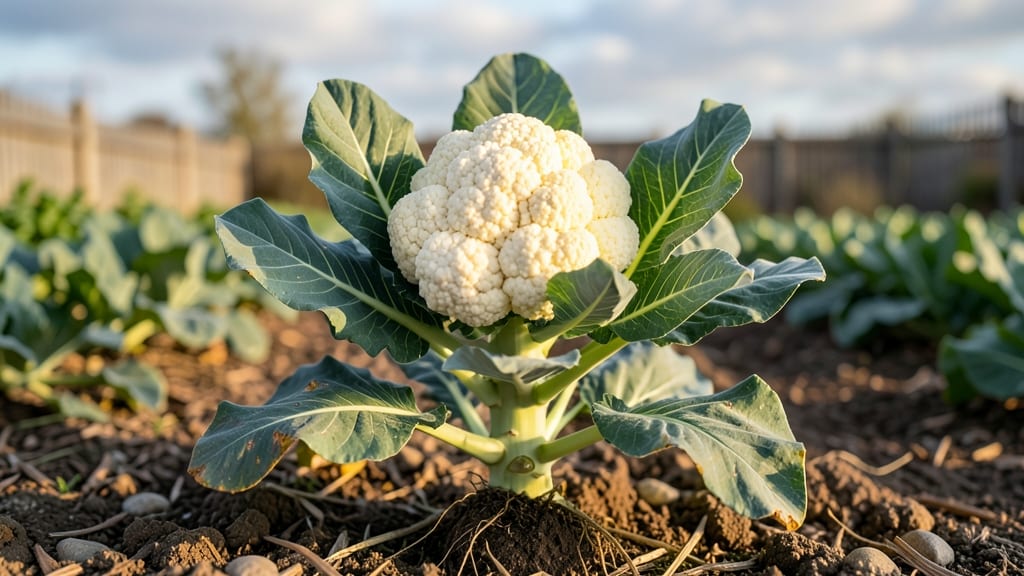
How tall does cauliflower grow? The mature height of this vegetable typically ranges from 1.5 to 2 feet 🥬, but the variety you choose—and how you grow it—can make all the difference in your garden layout.
Struggling to fit cauliflower into your small garden or balcony? Knowing the right height and variety can mean the difference between a thriving crop and wasted space.
Some standard varieties like 'Snowball Y Improved' reach the full 2-foot mark, while compact types like 'Miniature White' stay under 18 inches. That’s why spacing and pruning matter just as much as the plant itself.
Below, I’ll break down how height affects your planting plan, which dwarf varieties save the most space, and how to train your plants for maximum yield—even in tight spots.


Standard cauliflower height: what to expect from traditional varieties
When planning your garden, knowing the standard cauliflower height is crucial for spacing and yield. Traditional varieties like 'Snowball Y Improved' and 'Purple of Sicily' typically reach 18-24 inches tall at maturity.
This compact stature makes them ideal for small gardens or containers, but proper spacing ensures healthy growth and head formation. Understanding these dimensions helps you avoid overcrowding, which can lead to blight or poor yields.
Most traditional cauliflower varieties grow to a mature height of 1.5-2 feet, with a spread of 12-18 inches. This means each plant needs about 18-24 inches of space in all directions to thrive.
If you're growing in rows, aim for 2 feet between plants and 3 feet between rows to allow airflow and prevent disease. Proper spacing also makes harvesting easier and reduces competition for nutrients.
Here’s how cauliflower height breaks down by growth stage:
- Seedling (0-4 weeks): 2-4 inches tall
- Vegetative (4-6 weeks): 6-12 inches tall
- Head formation (6-8 weeks): 12-18 inches tall
- Mature (8-10 weeks): 18-24 inches tall
To measure growth accurately, use a ruler or measuring tape from the soil line to the top of the largest leaf. Track height weekly to monitor progress and adjust care as needed.
For example, if your plants are lagging below 6 inches at 4 weeks, they may need more sunlight or nutrients. Regular checks help you intervene early and avoid stunted growth.
| Variety | Mature Height | Spacing Needs | Head Size | Days to Harvest |
|---|---|---|---|---|
| Snowball Y Improved | 18-24" | 18-24" apart | 6-8" | 70-85 |
| Purple of Sicily | 20-24" | 24" apart | 5-7" | 65-75 |
| Early Snowball | 16-20" | 18" apart | 5-6" | 60-70 |
| White Rabbit | 14-18" | 16" apart | 4-5" | 55-65 |
If you're growing cauliflower in containers or raised beds, choose varieties like 'Snowball Y Improved', which stay under 2 feet tall. Larger varieties, such as 'Purple of Sicily', may need deeper pots (at least 12 inches deep) to support their root systems.
Always use well-draining soil mixed with compost to prevent root rot, which can stunt growth and reduce head size.
Another key factor is pruning side shoots to direct energy toward the main head. Remove any small heads that form on the sides to ensure the primary head grows to its full 6-8 inch diameter.
This practice also helps maintain the plant's compact height and improves airflow, reducing disease risk. Prune with clean, sharp scissors and avoid damaging the main stem.
For bolting prevention, ensure your cauliflower gets consistent moisture and 6-8 hours of sunlight daily. Bolting (premature flowering) can cause plants to grow taller and produce bitter, inedible heads.
If you notice stems elongating rapidly or yellowing leaves, adjust watering or provide shade cloth during extreme heat. These adjustments help maintain the plant's ideal height and quality.
In cooler climates, cauliflower may take longer to reach maturity, so plan for extended growth seasons. For example, in USDA Zone 6a, start seeds indoors 4-6 weeks before the last frost (around early March) and transplant outdoors after the frost date.
This timing ensures plants have enough time to grow to their full 18-24 inch height before harvest.
Finally, always rotate your cauliflower crops to prevent soil-borne diseases. Avoid planting brassicas (like cabbage or broccoli) in the same spot for at least 3 years. This rotation keeps your garden healthy and ensures your cauliflower reaches its optimal height and yield year after year.
Best compact cauliflower varieties under 2 feet for small gardens
If you love cauliflower but struggle with space, compact varieties are your best friend. These dwarf cauliflowers stay under 2 feet tall while still delivering delicious heads. I’ve tested several varieties in my own small garden beds and found these to be the most reliable for tight spaces.
The key is choosing a variety that fits your growing conditions—whether you’re container gardening or squeezing plants into a raised bed.
Most compact cauliflowers produce smaller heads (3-6 inches in diameter) but pack big flavor. They also mature faster than standard varieties, giving you a quicker harvest. For example, 'Graffiti' produces colorful heads in just 60-70 days, making it perfect for short growing seasons.
These varieties also handle partial shade better than their taller counterparts, which is a huge plus for urban gardeners with limited sunlight.
When planting these compact varieties, spacing is critical—especially in containers. For example, 'Miniature White' thrives in 5-gallon pots with just one plant per container, while 'Graffiti' can handle two plants in a 12-inch-wide container.
I’ve even grown 'Purple of Sicily' in hanging baskets with success, though it needs extra support as it matures. Always use well-draining soil mixed with compost to prevent bolting, which is common in heat-stressed plants.
One of my favorite compact varieties is 'Graffiti' because of its vibrant colors and quick harvest time. The heads are small but packed with flavor, and the plants stay tidy, making them ideal for balcony gardens.
If you prefer a classic taste, 'Snowball Y Improved' is a reliable choice, though it does reach the upper limit of the 2-foot height range.
For a unique twist, 'Purple of Sicily' adds visual interest to your garden while offering a slightly nutty flavor that pairs well with roasted dishes.
To maximize your yield in small spaces, consider succession planting. Compact cauliflowers like 'Miniature White' can be planted every 2-3 weeks in early spring and late summer for continuous harvests. Just remember to harvest promptly—once the head starts to open or yellow, the flavor and texture decline rapidly.
With the right variety and care, you can enjoy homegrown cauliflower even in the smallest of gardens!