
Flowers
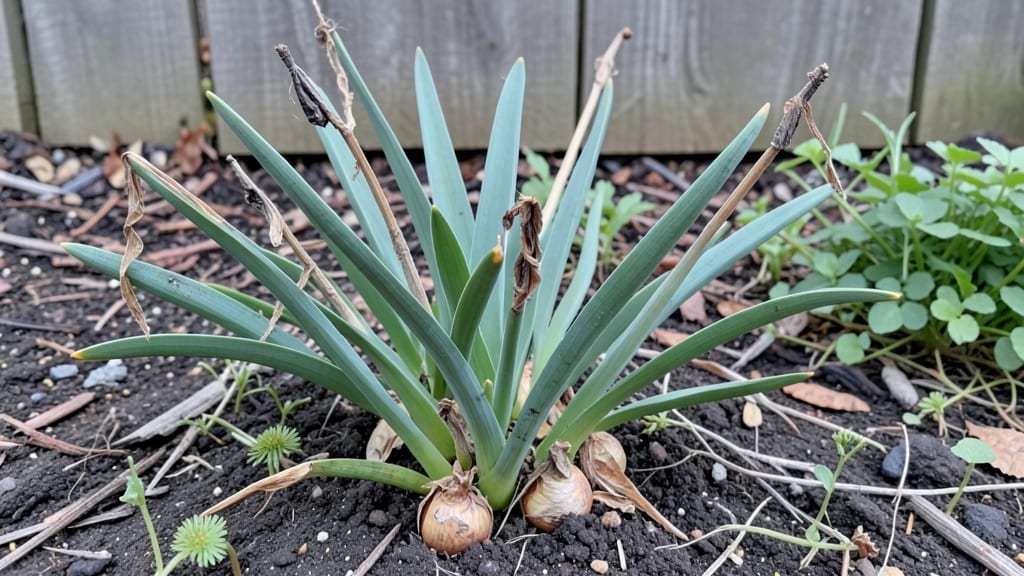
After your hyacinths 🌸 finish flowering, the right steps ensure they’ll return next spring with even more vibrant blooms.
Your hyacinth bulbs have delivered stunning blooms—but now what? Proper post-flowering care determines whether you’ll enjoy another burst of fragrant purple, pink, or white next spring. Skip these steps, and you might lose your prized plants forever.
Most gardeners rush to cut back the foliage after the flowers fade, but that’s a big mistake. The leaves are hard at work feeding the bulb for next year’s blooms, so leaving them until they yellow naturally is critical.
Even a small misstep here can weaken the bulb’s energy reserves.
In this guide, you’ll learn exactly when to trim, how to adjust watering, and whether to dig up your bulbs for storage—or leave them in the ground. By following these simple but essential steps, you’ll set your hyacinths up for a second act that’s even better than the first.
How to care for hyacinth bulbs after flowering to ensure next year’s blooms
Once your hyacinths have finished blooming, the real work begins. These bulbs need proper care to store energy for next spring’s vibrant display. The 6-8 weeks after flowering are critical—ignore them, and you risk weak or no reblooming.
I’ve learned the hard way that cutting back too soon or overwatering can starve the bulbs of nutrients they need to thrive.
Your hyacinth foliage may look spent, but it’s actually performing a vital role. The leaves conduct photosynthesis, feeding the bulb for next year. Cutting them back too early robs your plants of this essential energy source.
Instead, focus on gradual adjustments to watering, light fertilization, and pest control to keep your bulbs healthy until dormancy.
Step-by-Step Post-Flowering Care for Hyacinths
- 1 Deadhead spent blooms but leave the flower stalks intact until they turn brown. This prevents seed production, which drains the bulb’s energy.
- 2 Reduce watering gradually over 2-3 weeks. Switch from weekly deep watering to every 10-14 days once foliage starts yellowing naturally.
- 3 Apply balanced fertilizer (5-10-10) once in early spring (March-April) to encourage new growth. Avoid fertilizing after mid-summer, as it promotes tender new shoots vulnerable to frost.
- 4 Leave foliage until fully brown. Only trim it when it’s crispy and yellow, about 6-8 weeks after flowering. This ensures maximum energy storage.
- 5 Mulch lightly in fall with 2-3 inches of organic mulch (like shredded leaves) to insulate bulbs from temperature swings and retain moisture.
- 6 Monitor for pests like squirrels or slugs, which may dig up bulbs. Use copper barriers or diatomaceous earth if needed.
One of the biggest mistakes I’ve seen gardeners make is cutting back foliage too early. I once saw a neighbor trim their hyacinth leaves right after the flowers faded, and the bulbs never rebloomed the next year.
The lesson? Patience is key. Let nature take its course—your bulbs will thank you with stronger, more abundant blooms next spring.
If you’re in a hot climate (Zones 8-10), reduce watering even further during summer dormancy. In-ground bulbs can survive with minimal moisture, but potted hyacinths may need occasional misting to prevent desiccation. Always water in the morning to avoid fungal issues, and avoid getting water on the bulbs themselves.
For container-grown hyacinths, move pots to a shady, sheltered spot during summer to mimic natural dormancy conditions. This helps prevent the bulbs from thinking it’s time to grow, which can lead to weak or no blooms.
I’ve had great success placing mine under a decorative tree where they get dappled light but stay cool.
Finally, resist the urge to fertilize after mid-summer. Late-season feeding encourages new growth that won’t harden off before winter, making bulbs more susceptible to frost damage. Instead, focus on soil health—add a layer of compost around the base in fall to provide slow-release nutrients for next year’s growth.
By following these steps, you’ll give your hyacinth bulbs the best chance to replenish their energy reserves and return with even more dramatic blooms next season. The effort you put in now will pay off with fragrant, vibrant flowers that steal the show in early spring. 🌸
When and how to harvest, store, OR replant hyacinth bulbs after flowering
After your hyacinths finish blooming, the next 6-8 weeks are critical for bulb dormancy. This is when bulbs store energy for next year’s flowers. Skipping this step can weaken your plants or even kill them.
The key is knowing when to leave bulbs in the ground, when to dig them up, and how to store or replant them properly.
Most gardeners in USDA Zones 6-9 can leave hyacinth bulbs in the ground year-round, but those in warmer climates (like Zones 10+) may need to lift and store bulbs to prevent rot.
Even in cooler zones, digging up bulbs every 2-3 years helps prevent disease and improves flowering. Let’s break down the exact steps for your climate.
| Task | Timing | Climate Notes |
|---|---|---|
| Wait 6-8 weeks after blooming | Late May–July (Northern Hemisphere) | Let foliage yellow naturally—this feeds the bulb. |
| Dig up bulbs (if needed) | Late June–August | Zones 10+ or every 2-3 years elsewhere. |
| Store bulbs (if lifted) | Cool (50-60°F), dry, well-ventilated spot | Use paper bags or mesh—no plastic. |
| Replant bulbs | September–November (before frost) | 6 inches deep, 4-6 inches apart, in well-draining soil. |
To harvest bulbs, use a garden fork to gently loosen soil around the bulb, then lift it carefully. Avoid damaging the outer skin, as this protects against rot.
If storing, place bulbs in a cool, dry place with good airflow—like a paper bag in your garage or basement. Never refrigerate, as high humidity causes mold.
When replanting, choose a sunny spot with well-draining soil. Hyacinths thrive in full sun to partial shade, but avoid soggy soil. Plant bulbs 6 inches deep and 4-6 inches apart.
In warmer climates, replant in fall to establish roots before summer heat. Water lightly after planting to settle the soil.
If you’re in a cooler climate, simply leave bulbs in the ground and mulch with 2-3 inches of straw to protect them over winter. In Zone 5 or colder, add extra mulch to prevent frost heave.
Next spring, you’ll see fresh green shoots by early April, signaling it’s time to reduce watering slightly until blooms appear.
Remember, patience is key. Rushing to dig up bulbs too soon or replanting too late can stress your hyacinths. Follow this timeline, and you’ll enjoy vibrant blooms for years to come! 🌸