
Blooming
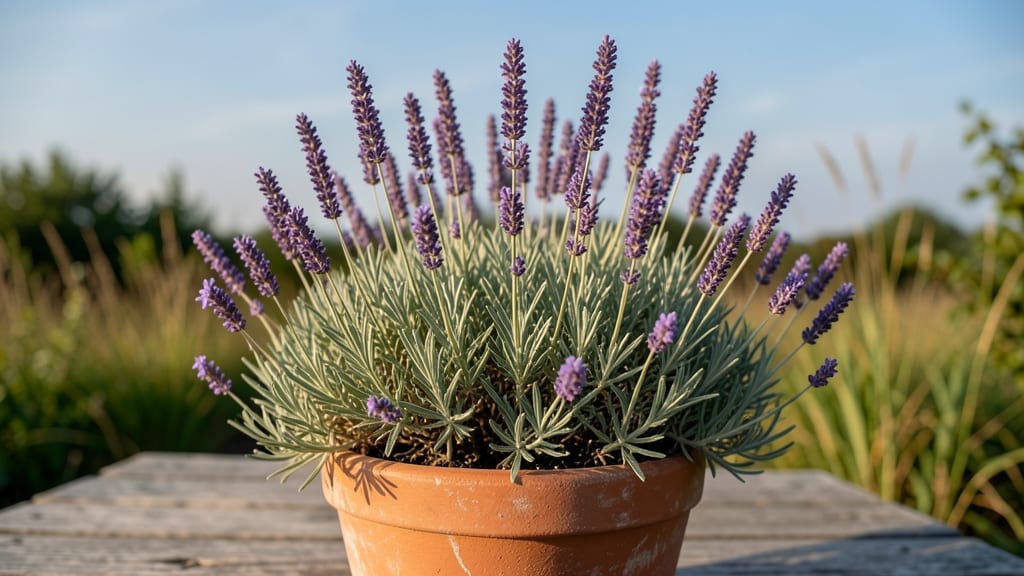
The lavender flowering season is your plant’s one chance each year to burst into fragrant purple glory — and missing the timing can mean sparse blooms or even no flowers at all.
If you’ve ever wondered why your 🌸 lavender isn’t blooming as abundantly as it should—or how to ensure next year’s flowers are even more spectacular—timing is everything.
The lavender flowering season isn’t just about when the blooms appear; it’s also the key to strategic pruning that can double your plant’s productivity.
For most gardeners in USDA Zone 6a, that means late spring to summer, but regional variations and plant types can shift the window by weeks. A little extra sun, proper pruning, and a light fertilizer touch in spring can turn a modest display into a lavish one.
Below, I’ll break down the exact months to watch, how to prune after flowering for next year’s abundance, and which lavender varieties keep blooming longer—so you can enjoy that signature scent all season long.

Understanding lavender flowering season: months, climate zones, and blooming cycles
Lavender is one of those magical plants that transforms your garden with its fragrant purple blooms, but its flowering season depends heavily on your climate zone and variety. Most lavender varieties bloom in late spring to early summer, but timing can shift dramatically depending on where you live.
For example, Mediterranean climates enjoy lavender blooms from May through July, while cooler USDA Zone 5 regions might see flowers as late as August. Understanding these patterns helps you plan for pruning and maximize your plant’s productivity.
In my own USDA Zone 7 garden, I’ve found that English lavender (like 'Hidcote') typically blooms from June to early August, while French lavender (like 'Grosso') often starts blooming in late May.
The key to predicting your lavender’s blooming window lies in knowing your last frost date and your plant’s cold hardiness. Most lavender varieties need at least 100 frost-free days to initiate flowering, which is why Mediterranean climates have such long bloom seasons.
The lavender flowering season also varies by region. In Southern California (Zone 10), lavender may bloom year-round with minimal breaks, while in New England (Zone 5), you might only get 4-6 weeks of blooms per year.
European lavender, native to the Mediterranean region, thrives in USDA Zones 5-9 but prefers hot, dry summers to trigger blooming. If you’re in a cooler or wetter climate, you may need to mimic these conditions with well-draining soil and full sun exposure.
| Variety | Typical Bloom Time | USDA Zones | Peak Blooming Months | Pruning Window |
|---|---|---|---|---|
| English Lavender (e.g., 'Hidcote') | Late spring to early summer | 5-9 | June-August | Late summer (August-Sept) |
| French Lavender (e.g., 'Grosso') | Early to mid-summer | 5-9 | May-July | Early fall (Sept-Oct) |
| Spanish Lavender (e.g., 'Papillon') | Mid-summer to early fall | 6-9 | July-Sept | Winter (Jan-Feb) |
| Dwarf Lavender (e.g., 'Loddon Pink') | Late spring | 5-8 | May-June | Early summer (June-July) |
Identifying the peak flowering stage is crucial for timing your pruning correctly. Lavender flowers start as buds in late spring and open fully over 4-6 weeks. The best time to prune is right after flowering, when the plant has 6-8 weeks of growth before winter.
For example, if your lavender blooms in July, prune in late August or early September to encourage next year’s buds. Pruning too early removes next year’s flowers, while pruning too late can leave the plant vulnerable to winter dieback.
In Mediterranean climates, lavender often blooms in two cycles per year: once in spring and again in fall. This is because the hot, dry summers trigger flowering, followed by a cool, wet winter that resets the plant.
If you live in a region with mild winters, like Southern California or the Pacific Northwest, you might see lavender blooming year-round with minimal breaks. However, in colder climates, like USDA Zone 5, lavender typically has one main bloom cycle in mid-summer.
One common mistake gardeners make is assuming all lavender blooms at the same time. French lavender often blooms earlier than English lavender, and Spanish lavender can bloom as late as September.
If you’re growing multiple varieties, plan your pruning schedule accordingly. For instance, prune French lavender in early fall and English lavender in late
When and how to prune lavender after flowering for maximum next-year blooms
Pruning lavender at the right time can transform a sparse bloomer into a fragrant, bushy powerhouse. The lavender flowering season ends in late summer, but that’s when you should act—not after the first frost.
Waiting too long to prune can leave your plant vulnerable to winter damage or reduce next year’s flower production by up to 50%. The key is understanding your lavender’s type and your climate zone.
Most French lavender (like 'Grosso') and English lavender (like 'Munstead') follow a similar schedule, but their pruning needs differ slightly.
French lavender, for example, thrives with a hard prune, while English lavender benefits from a gentler touch. Late summer or early fall (August to September) is ideal for pruning, as it gives your plant time to recover before winter dormancy.
Before you grab your shears, gather the right tools: sharp bypass pruners (never dull tools—they crush stems), sterilized alcohol wipes, and gardening gloves to protect your hands from woody stems.
A small hand saw can help with thicker branches, but most lavender pruning requires light trimming. Never use hedge trimmers, as they can shred delicate foliage.
⚠️ Critical Timing Mistake
Pruning lavender after the first frost or in spring can shock the plant and reduce blooms. Late summer/early fall pruning (after 70% of flowers fade) ensures healthy regrowth before winter. Over-pruning in spring removes next year’s flower buds!
For French lavender, cut back one-third of the plant’s height, focusing on woody stems.
Remove dead or crossing branches first, then trim the remaining stems to just above a leaf node. English lavender, however, only needs a light trim—remove spent flowers and about 1-2 inches of growth to encourage bushiness.
Avoid "heading back" (cutting into old wood), as lavender doesn’t regenerate from old growth.
After pruning, water deeply to help the plant recover, but avoid overwatering—lavender hates soggy roots. Apply a light mulch (like gravel or straw) to protect roots in winter, but keep it 2-3 inches away from the stem to prevent rot.
In USDA zones 8-10, you can prune lavender in early spring (February-March) for a second flush of blooms, but this works best for reblooming varieties like 'Provence.'
Watch for these common pruning mistakes: cutting into old wood (no regrowth), pruning too late (after frost), or using dirty tools (spreading disease). If your lavender looks leggy or bare, it’s a sign of over-pruning or poor timing.
Next year, aim to prune just after flowering and avoid heavy cuts—your lavender will reward you with denser blooms and stronger fragrance.