
Blooming
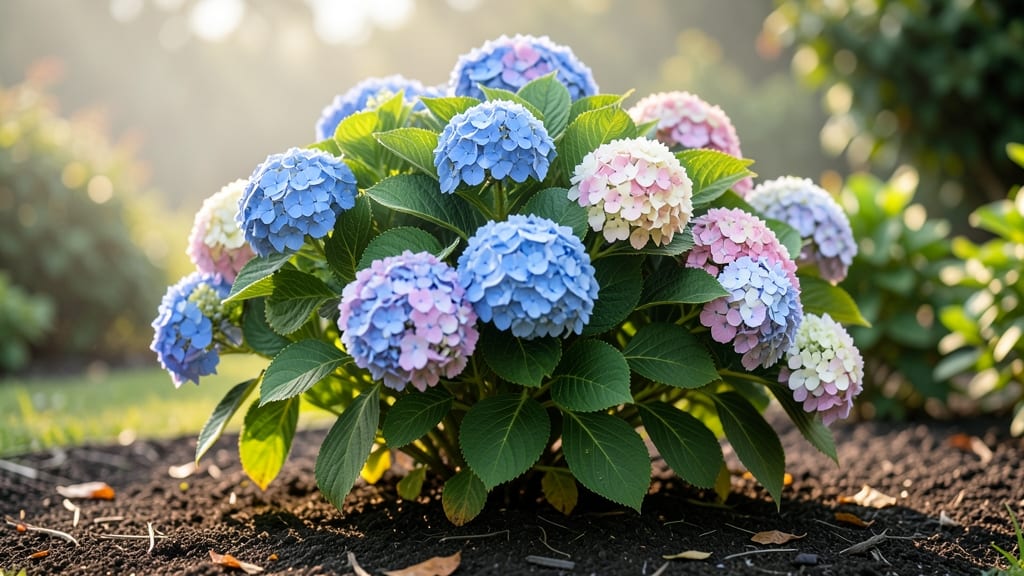
Hydrangeas flower in late spring through summer 🌸, but the exact timing depends on your zone, variety, and care routine—get it wrong, and you might miss the show entirely.
Picture this: You’ve waited all year for those lush blooms, only to find your Hydrangea sitting there with a handful of buds and no grand display.
Timing is everything, and with blooming seasons stretching from June to September in Zone 6a, knowing when to expect color—and how to encourage it—is the difference between a dazzling garden and a quiet corner.
Below, I’ll walk you through the month-by-month blooming schedule by zone, the pruning secrets that extend your flower time, and the care tweaks that turn good blooms into showstopper displays.
Whether you’re a first-time grower or a seasoned gardener, these tips will help you plan for the perfect bloom season—no guesswork required.
Hydrangea blooming seasons by zone: when to expect peak flowers
Hydrangeas are the stars of summer gardens, but their blooming windows shift dramatically depending on your USDA zone and the specific variety you're growing.
Whether you're admiring Hydrangea macrophylla in your shade garden or H. paniculata thriving in full sun, knowing when to expect those showstopping blooms helps you plan your garden's seasonal highlights.
Let's break down the month-by-month expectations for zones 3 through 10, where climate and microclimates can shift bloom timing by 2-4 weeks.
In cooler zones like 3-5, hydrangeas often bloom later in the season, while zones 7-10 may see earlier blooms—sometimes as early as late spring. The key difference lies in how quickly the plants transition from dormancy to active growth.
For example, Annabelle hydrangeas (H. arborescens) tend to bloom on new wood, meaning they often flower earlier than bigleaf varieties that rely on old wood for blooms. Understanding these patterns helps you choose the right varieties for your climate and extend your garden's color season.
In USDA zones 3-4, where winters are harsh, hydrangeas like Hydrangea macrophylla often wait until late June to bloom, with peak color appearing in July and August.
These varieties are more sensitive to cold, so providing winter mulch and choosing hardier cultivars can help ensure they survive and return with vibrant blooms. For example, 'Nikko Blue' is a classic choice for cooler climates, but it may need seasonal protection to thrive in zones 3-4.
Zones 5-6 see a broader range of bloom times, with Hydrangea paniculata varieties like 'Limelight' and 'Little Lime' often starting as early as mid-June and continuing through September. These varieties are particularly heat-tolerant, making them ideal for gardens with hot summers.
If you're in this zone, you can also expect H. arborescens to bloom slightly earlier, around early June, providing a two-month window of white or pink blooms.
For gardeners in zones 7-10, hydrangeas often bloom earlier and may even rebloom later in the season.
Varieties like 'Endless Summer' (a H. macrophylla hybrid) can produce two flushes of blooms: one on old wood in early summer and another on new growth in late summer or fall. In these warmer zones, H. paniculata varieties like 'Grandifl
How to extend Hydrangea flower time: pruning, deadheading, and care tips
Hydrangeas are famous for their long-lasting blooms, but many gardeners miss the mark on keeping them vibrant for months. The key lies in understanding your hydrangea variety—whether it blooms on old wood or new growth—and adjusting your care accordingly.
With the right techniques, you can turn a 6-week bloom into a 4-month spectacle!
Pruning at the wrong time or skipping deadheading can shorten your hydrangea’s show. For example, cutting back mophead hydrangeas (Hydrangea macrophylla) in late winter removes next year’s buds, while panicle hydrangeas (H. paniculata) thrive when pruned in early spring.
Let’s break down the exact steps to maximize your blooms.
- 1 Prune old-wood varieties (macrophylla) right after blooming—never in late winter or early spring. This preserves next year’s buds!
- 2 Deadhead spent blooms on new-wood varieties (paniculata, arborescens) to redirect energy to fresh flowers. Use clean bypass pruners to avoid damaging stems.
- 3 Water deeply 2-3 times weekly during bloom season. Consistent moisture prevents bud drop and keeps flowers plump. Aim for 1-2 gallons per plant in dry spells.
- 4 Mulch with 2-3 inches of organic mulch (like shredded bark) in early spring. This retains moisture and regulates soil temperature for longer bloom cycles.
- 5 Fertilize in early spring with a balanced 10-10-10 formula. Avoid high-nitrogen feeds—these promote leafy growth over flowers. Reapply lightly in mid-summer for a second flush.
One of the biggest mistakes gardeners make is pruning at the wrong time. For instance, Annabelle hydrangeas (H. arborescens) bloom on new wood, so you can prune them anytime in late winter without harm.
However, Endless Summer varieties (macrophylla) need patience—wait until after the first frost to prune, or you’ll sacrifice next year’s blooms.
Deadheading isn’t just about looks—it’s a growth hack. When you remove faded blooms from new-wood hydrangeas, you encourage the plant to produce secondary flower clusters. Use your fingers or clean pruners to snip just above a leaf node, where new growth will emerge.
This simple step can add 3-4 weeks to your bloom season!
Don’t overlook the power of seasonal adjustments. In hot climates (Zones 8-10), provide afternoon shade to prevent bud blast from heat stress. Conversely, in cooler zones (3-6), protect plants from late frosts with burlap wraps or row covers.
A little extra care in these critical periods can double your bloom duration.
With these strategies, your hydrangeas will reward you with months of color instead of just a fleeting summer show. Start with the right pruning timing, keep up with deadheading, and give them the consistent care they crave—your garden will thank you with lush, long-lasting blooms! 🌸