
Trees
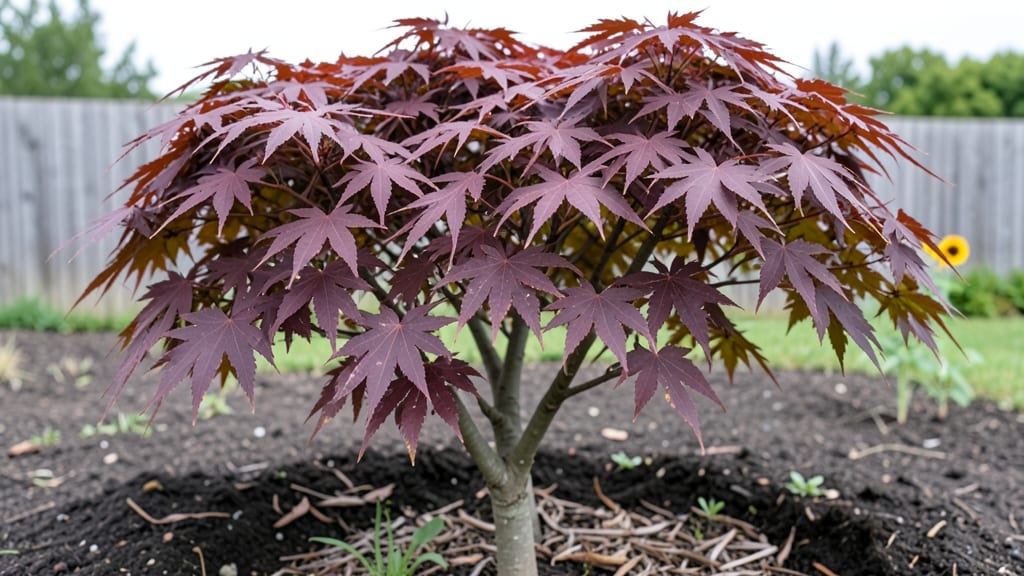
Transforming your Japanese flowering maple 🌸 into a showstopper starts with understanding its pruning needs—because the right cuts can turn lackluster branches into a year-round burst of color.
Your Japanese flowering maple could be losing its vibrant hue and shape—not because of disease, but because of pruning mistakes most gardeners make. The key lies in timing, technique, and knowing which branches to keep (or let go).
This tree thrives in Zones 5-9, where its delicate foliage and stunning fall colors make it a garden star. But without proper care, even the hardiest varieties can fade into the background.
The good news? A few simple adjustments can revive its beauty and keep it looking its best for decades.
In this guide, I’ll walk you through the science-backed secrets to pruning like a pro—so you can enjoy bold foliage, stunning seasonal displays, and a tree that stays healthy and vibrant all year.
When and how to prune Japanese flowering maple for maximum color impact
Pruning your Japanese flowering maple at the right time can make the difference between dull, lackluster foliage and vibrant, show-stopping color. The key is timing—late winter to early spring—when the tree is dormant but about to burst into new growth.
This is when you can shape the canopy without stressing the tree, ensuring those deep reds, purples, and oranges remain bold all season.
Different varieties like 'Bloodgood' or 'Emperor I' respond best to light pruning during this window, while 'Shishigashira' benefits from more structured shaping. The goal isn’t just to trim branches—it’s to encourage healthy growth that maximizes color intensity. Let’s dive into the exact steps to achieve that showcase-worthy look.
After pruning, your Japanese flowering maple will reward you with brighter foliage and a neater silhouette. But here’s the secret: less is more. Never remove more than 25% of the canopy in one session, or you’ll risk stressing the tree and dulling its color.
For varieties like 'Emperor I', which has glossy green leaves, focus on removing only dead or weak branches to preserve its natural elegance.
If you’re pruning a mature tree, consider breaking it into two sessions—one in late winter for major structural changes and another in early summer for light shaping. This reduces stress and ensures the tree has time to heal and recover before the next growing season.
Always step back and admire your work—the goal is to enhance the tree’s natural beauty, not transform it into something unnatural.
Finally, monitor your tree after pruning. If you notice yellowing leaves or stunted growth, it may be a sign of over-pruning. In this case, reduce future cuts and focus on providing consistent water and mulch to help it recover.
With the right approach, your Japanese flowering maple will become the star of your garden, bursting with color from spring through fall.
Remember, the best pruning is preventative. A little regular maintenance goes a long way in keeping your tree healthy, vibrant, and full of life. 🌿✂
Common pruning mistakes that kill Japanese maple color (and how to fix them)
Your Japanese flowering maple may be losing its stunning foliage color due to pruning errors you didn't realize were happening. Even well-intentioned cuts can stress the tree and dull those vibrant reds, purples, and oranges.
The key is understanding what damages the tree's health and how to correct it before permanent damage occurs.
Japanese maples are sensitive to aggressive pruning because their colorful leaves come from specific growth patterns. When you cut incorrectly, you're not just shaping the tree—you're disrupting its natural color production.
Let's explore the top 5 pruning mistakes that rob your tree of its beauty and how to fix them.
⚠️ Warning: These Cuts Will Kill Your Maple's Color
Japanese flowering maples produce their most vibrant colors when pruned correctly. Here's what instantly drains their color:
- ✂️ Wrong tool use: Using dull or improper tools creates jagged cuts that stress the tree and invite disease.
- 🌱 Over-pruning: Removing more than 25% of foliage in one session shocks the tree into dull, pale leaves.
- 🌳 Improper timing: Pruning at the wrong season (like summer) stops color development for the next year.
First on the list is using the wrong tools. Many gardeners grab their heavy-duty loppers or chain saws for Japanese maples, but these tools crush delicate branches.
The result? Stunted growth and faded foliage. Always use sharp, bypass pruners for branches under ½-inch thick and hand pruners for smaller stems.
Another silent killer is pruning during active growth. Summer pruning stops new leaf production and forces the tree to focus on healing cuts instead of developing colorful fall foliage.
Wait until late winter or early spring (just before buds swell) to prune. This timing ensures the tree can recover and produce vibrant leaves for the season.
Here's a critical mistake many miss: removing too many small branches at once. These branches contribute to the tree's overall color intensity. Instead of shearing or topping, focus on selective removal—only cut dead, diseased, or crossing branches.
Aim to remove no more than 10-15% of the foliage in a single session.
One of the most damaging habits is improper cut placement. Always make cuts just above a leaf node or bud to encourage new growth. If you leave a stub, the tree will waste energy trying to heal it, leading to pale, weak leaves.
Use a clean, angled cut to prevent water from pooling and causing rot.
Finally, ignoring seasonal color cues is a common downfall. If your 'Bloodgood' maple is losing its deep red hue, it might be nutrient-deficient due to improper pruning. After pruning, apply a balanced fertilizer (like 10-10-10) in early spring to boost color vibrancy.
Pair this with mulching to retain moisture and protect roots.