
Blooming
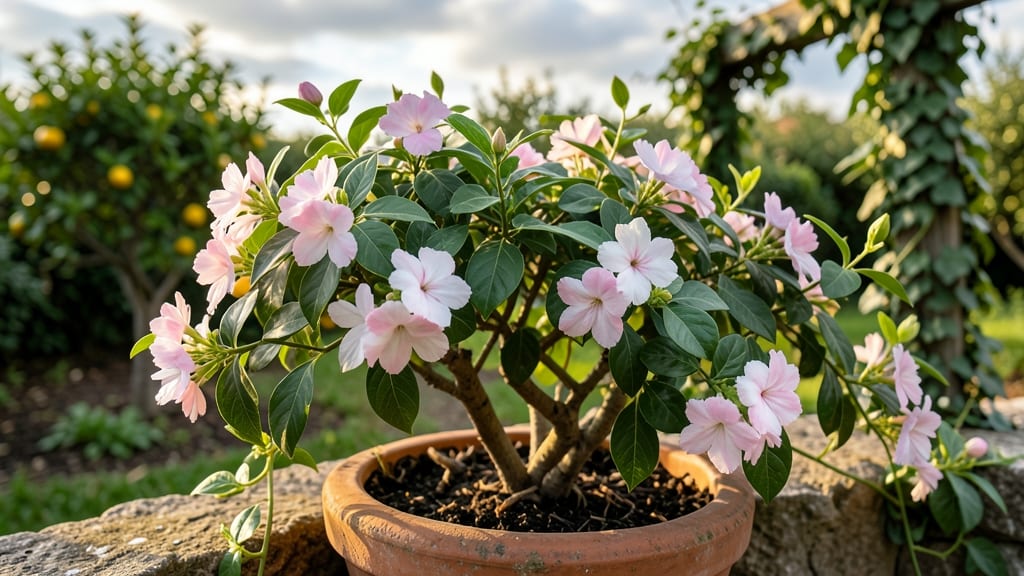
Jasmine blooms during its flowering period with fragrant 🌸 clusters that can transform your garden into a sensory paradise—but timing depends entirely on the variety and your climate zone.
If you’ve ever dreamed of waking up to the intoxicating scent of jasmine drifting through your garden, timing is everything—especially since different varieties bloom at wildly different times.
Whether you're in a warm coastal climate or a cooler inland zone, knowing exactly when your jasmine will flower helps you plan for fragrance, pruning, and even harvests like jasmine tea.
Some jasmines, like the ever-popular Arabian jasmine, reward you with blooms from late spring through fall, while others, such as the delicate star jasmine, prefer the milder temperatures of early summer.
In Zone 6a, where frost lingers until mid-April, your jasmine might not even wake up until May, but with the right care, you can coax those first fragrant buds weeks earlier.
In this guide, I’ll break down the month-by-month flowering periods for the most popular jasmine types, share climate-specific tricks to extend their bloom time, and reveal the one pruning mistake that cuts your flowering season short. Let’s get started!
Jasmine flowering period by variety: when to expect blooms year-round
Understanding your jasmine variety is the first step to predicting when those fragrant blooms will appear. Some jasmine plants reward you with year-round fragrance, while others have strict seasonal windows. The key factors? Climate zone, light exposure, and even your plant's age.
For example, my Arabian jasmine in Zone 9 blooms almost continuously, while my friend's Grand Duke jasmine in Zone 7 waits until late spring.
Let's break down the most popular jasmine types and their typical flowering periods. Whether you're in a tropical paradise or a temperate garden, this guide will help you plan for maximum fragrance. Remember, light exposure can shift bloom times by weeks—so pay attention to that south-facing trellis!
The Arabian jasmine (Jasminum sambac) is the superstar of year-round bloomers in tropical climates. In Zone 10, it flowers continuously, while in Zone 9, it may take a short break during the hottest summer months.
I've seen it bloom even in December with proper care—just keep the soil consistently moist and provide afternoon shade during heatwaves.
For temperate climates, the Grand Duke of Tuscany is my top pick for summer fragrance. It typically blooms from June through September, but in Zone 10, I've had it extend into October with regular deadheading.
The secret? Prune back 1/3 of the plant after the first flush of blooms to encourage a second wave.
If you're in a cooler climate like Zone 7, don't overlook Winter Jasmine. This hardy variety blooms when most gardens are still dormant, from January through March.
It's perfect for adding early color and fragrance to your landscape. Just remember, it prefers full sun and well-draining soil to prevent winter rot.
Light exposure dramatically affects bloom timing. My Pink Jasmine in partial shade blooms later in the season compared to the same plant in full sun. In Zone 8, shade-loving varieties might delay blooming until June, while sun-lovers start as early as May.
Always monitor your plant's light conditions and adjust pruning accordingly to optimize flowering.
Temperature also plays a crucial role. Most jasmine varieties need warmth to trigger blooming. In Zone 6, you might see delayed blooming until late May or June because the plant waits for consistent temperatures above 60°F (15°C).
I've found that using black plastic mulch around the base can help warm the roots faster in cooler springs.
For container gardening, choose compact varieties like Sambac Jasmine or Star Jasmine. These bloom reliably in pots and can be moved to extend their season. In Zone 9, I bring my potted jasmine indoors during winter to protect it from occasional freezes
How climate zones affect your jasmine’s flowering schedule: a state-by-state guide
Your jasmine’s flowering period depends heavily on your USDA climate zone, with dramatic differences between Zone 7 and Zone 10. In cooler zones like Zone 6-7, most varieties bloom in late spring to early summer, while tropical Zone 9-10 jasmines often flower year-round.
Understanding these patterns helps you choose the right variety and adjust care to maximize fragrance.
Ever-blooming varieties like Arabian jasmine thrive in Zone 8+, while seasonal bloomers such as Sambac jasmine need warmer winters to rebloom. In Zone 5 or colder, you’ll likely see just one flush of blooms in summer unless you use winter protection.
Let’s break down how to align your care with your local climate for the best results.
In Zone 5-6, where winters are harsh, winter jasmine is your best bet for early blooms in late winter to spring. These hardy varieties push through snow for February-March flowers, while Grand Duke jasmine waits until June-August.
To extend the season, wrap containers in burlap or use mulch blankets during sub-freezing temps.
For Zone 7-8 gardeners, Arabian jasmine offers two bloom cycles: once in spring and again in fall. Prune after each flush to encourage new growth and more flowers.
In Zone 8, you can even force early spring blooms by pruning lightly in winter—just avoid cutting back after buds form.
If you live in Zone 9-10, you’re in luck—Sambac jasmine and Star jasmine bloom year-round with minimal care. The key here is consistent moisture and light pruning to maintain shape.
In coastal areas, where humidity is high, watch for powdery mildew and space plants for good airflow.
To force blooms in cooler climates, try winter pruning in late winter (just as buds swell) or use grow lights indoors for tropical varieties. In Zone 7, a south-facing trellis captures extra warmth for extended flowering.
Always match your jasmine variety to your local microclimate for the best scent and bloom timing.
No matter your zone, jasmine thrives with patience. Start with the right variety, adjust care for your climate, and soon you’ll enjoy that intoxicating fragrance all season long. 🌸