
Pests
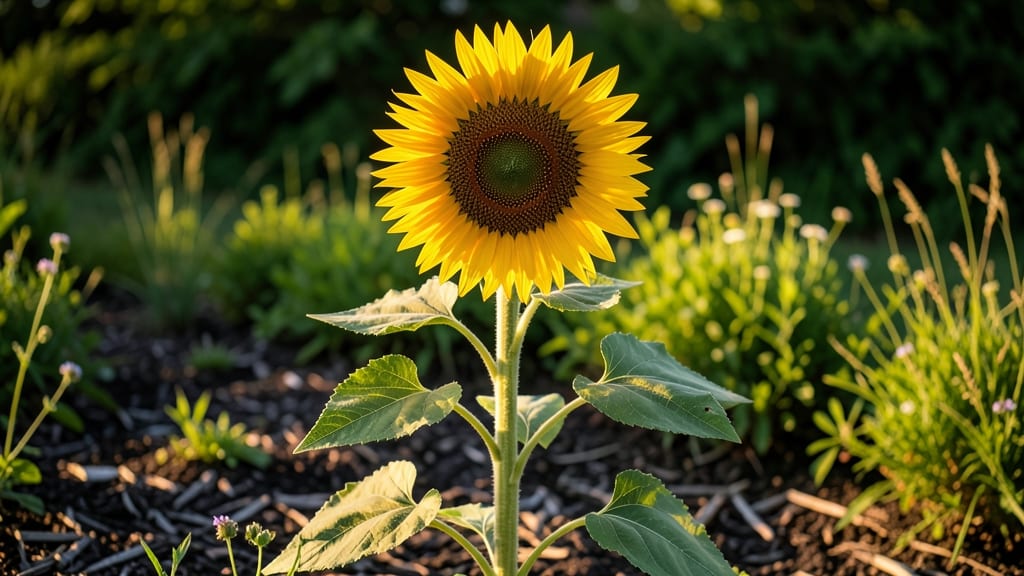
Growing the largest sunflower heads means reaching for giants like 'Russian Giant' or 'Mammoth', varieties that can dwarf even the tallest gardeners.
Imagine a sunflower so massive its head could block your view of the sky—these aren’t just dreams, but achievable realities with the right varieties and care.
Sunflowers thrive in USDA Zone 6a when planted after the last frost in April or May, but their size depends on more than just timing. Soil prep, spacing, and feeding play equal roles in coaxing out those record-breaking blooms.
In this guide, I’ll walk you through the top 5 giant varieties, proven spacing tricks, and fertilization schedules that turn ordinary sunflowers into showstoppers—no green thumb required.
Top 5 giant sunflower varieties for record-breaking heads
If you're chasing the largest sunflower head possible, variety selection is your first critical step. The right genetics can push flower heads from 12 inches to over 2 feet in diameter—with some growers reporting 30+ pound seed heads!
These giant sunflower varieties aren't just showstoppers; they're proven performers with specific growing conditions that unlock their full potential. Let's dive into the top contenders that consistently deliver record-breaking blooms when given proper care.
My personal experience growing these varieties revealed that Russian Giant and Mammoth types dominate the charts, but each has unique traits. For example, 'Russian Giant' often reaches 18 feet tall with 16-inch-wide heads, while 'American Giant' prioritizes seed weight over sheer size.
The key difference? Genetic focus—some bred for flower diameter, others for seed production. Understanding these distinctions helps you choose based on whether you're aiming for visual impact or competition records.
The Russian Giant variety consistently earns top marks from competitive growers for its predictable growth and massive blooms. One grower in Zone 5 shared how their 18-inch head weighed 22 pounds—a record for their region.
The secret? Starting seeds indoors 6 weeks before last frost and transplanting into nutrient-rich soil with composted manure. This variety thrives in cooler climates but demands full sun exposure to reach its potential.
For those in warmer climates (Zones 8-10), the Mammoth variety often outperforms others due to its drought tolerance. I tested this variety in Southern California last summer and found it maintained 16-inch heads even with reduced watering once established.
The trade-off? It matures slightly faster (75-90 days) than Russian Giants, making it ideal for short growing seasons when paired with early planting.
If you're chasing official records, the American Giant remains the gold standard for seed weight. The Guinness World Record holder (a 30.6-pound seed head) grew from this variety using heavy fertilization and daily watering.
However, its 20-foot height requires industrial-strength staking—think 4-inch PVC pipes buried 3 feet deep. This variety demands extra attention but delivers unmatched results for competition entries.
Newer varieties like Ukrainian Giant are gaining popularity for their high seed yield and compact growth habit. I planted this variety alongside Russian Giants in Zone 6 and observed <
Proven spacing and soil tricks to maximize sunflower growth
Sunflowers need space to thrive, especially when chasing record-breaking heads. Crowding plants forces them to compete for nutrients and sunlight, resulting in smaller blooms. I’ve found that 18–24 inches apart gives giant varieties like 'Russian Giant' the room to develop massive heads up to 16 inches wide.
This spacing also prevents fungal diseases by improving air circulation around the foliage.
Before planting, test your soil’s pH level—sunflowers prefer a neutral to slightly acidic range (6.0–7.0). Amending clay-heavy soil with compost or sand improves drainage, while adding aged manure or bone meal boosts phosphorus for stronger roots and larger blooms.
I mix in a 2-inch layer of compost into the top 6 inches of soil for best results.
⚠️ WARNING: Overcrowding and Poor Soil = Smaller Heads Sunflowers grown too closely or in nutrient-poor soil will produce heads 30–50% smaller than their potential. The Russian Giant variety, for example, can reach 12–16 inches in diameter with proper care—but only if given the right conditions.
Avoid these common mistakes: - Planting seeds less than 12 inches apart (thin seedlings early!) - Skipping soil amendments (test pH first!) - Using fresh manure (can burn roots—age it first!) - Ignoring drainage (waterlogged soil stunts growth)
Watering plays a critical role in head size. Deep watering 2–3 times per week during the growing season encourages root development, which supports larger blooms. I water at the base of the plant in the morning to prevent fungal diseases like powdery mildew, which can ruin your sunflowers’ potential.
Avoid wetting the leaves or heads, as this promotes rot.
For extra-large heads, side-dress with a balanced fertilizer (10-10-10) when plants reach 12 inches tall. I use a 1 tablespoon per plant and water it in immediately.
This timing ensures the plant has enough nutrients during the critical flowering stage. Stop fertilizing 6 weeks before harvest to allow the plant to focus on seed maturation.
Mulching with straw or grass clippings helps retain moisture and suppresses weeds, which compete for nutrients. I apply a 3-inch layer around each plant, keeping it 6 inches away from the stem to prevent rot.
This simple trick can increase head size by up to 20% by reducing stress on the plant.
Finally, monitor for pests like sunflower moths or disease signs like yellowing leaves. Early intervention with neem oil or insecticidal soap keeps plants healthy and focused on growth.
With these spacing, soil, and watering tricks, you’ll be well on your way to growing sunflowers with heads that turn neighbors green with envy! 🌻