
Plants
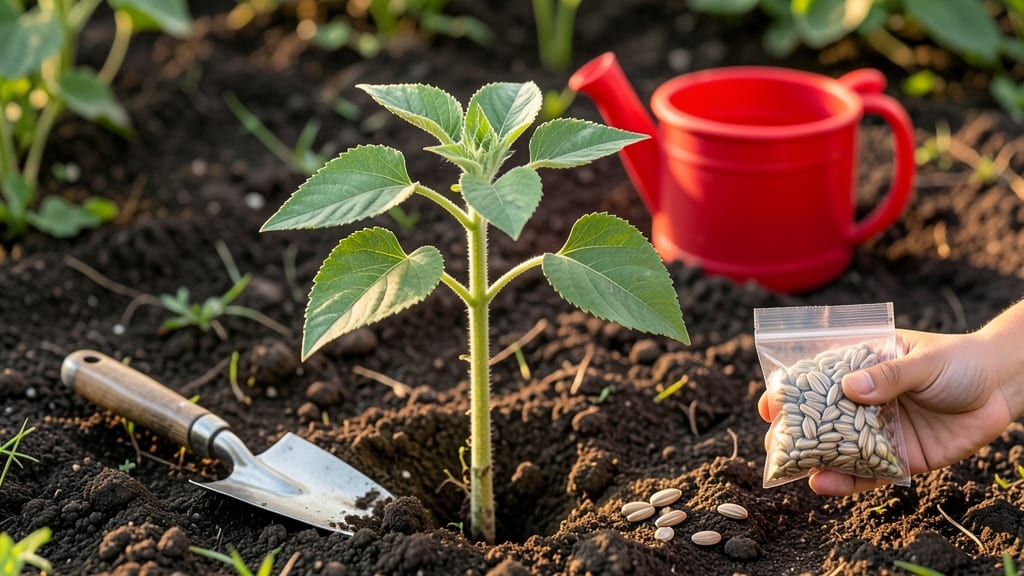
Planting sunflower seeds in Southern California at the right time means the difference between a sunflower forest and a sad, stunted plant 🌻 — and the key is knowing your microclimate.
Sunflowers thrive in Southern California’s warm climate—but planting them at the wrong time means wilted dreams instead of towering blooms. Timing is everything, and knowing the frost-free deadlines by variety can mean the difference between a sunflower forest and a sad, stunted plant.
Unlike northern gardeners, you don’t have to wait for spring frost to pass—most of Southern California is frost-free year-round. But coastal areas cool down faster, while inland zones can hit 100°F by May, stressing young plants.
Here’s the exact planting schedule by season, plus how to pick the best varieties for your 9b-11 zone, whether you’re in Malibu or the Inland Empire.
Southern California sunflower planting deadlines by variety (frost-free zones 8-11)
Southern California’s frost-free climate (USDA Zones 8-11) creates a unique opportunity to grow sunflowers year-round—but timing still matters. Unlike northern regions, we don’t have to worry about frost damage, but heat stress and microclimates (coastal vs. inland) dictate the best planting windows for each variety.
Plant too early, and your giant sunflowers may bolt before reaching their full height; plant too late, and they’ll struggle with summer heat.
For coastal areas (like San Diego or Santa Barbara), cooler temperatures extend the growing season, while inland valleys (like the Coachella Valley) experience intense summer heat. This means dwarf varieties thrive in late spring, while tall varieties need an early start to avoid wilting.
Let’s break down the critical planting deadlines by sunflower type to maximize your blooms.
🌱 Pro Tip: Always check soil temperature—sunflower seeds need 60°F+ soil to germinate. Use a soil thermometer if planting in late winter or early fall.
For coastal gardeners, the extended spring window (February–April) is perfect for giant sunflowers, while fall plantings (August–September) work well for dwarf varieties that won’t face winter chills.
In inland areas, where summer temperatures can exceed 100°F, planting giant sunflowers in winter (November–January) ensures they mature before the heat peaks.
If you’re in a transition zone (like the Inland Empire or San Bernardino Mountains), aim for early spring (January–February) to give sunflowers time to establish roots before summer’s intensity. Succession planting every 2–3 weeks in spring or fall keeps your garden blooming continuously—just avoid planting during peak heat (June–August) unless you’re growing heat-tolerant dwarf varieties.
One common mistake is assuming all sunflowers thrive in summer. While dwarf varieties like 'Teddy Bear' can handle 90°F+ temperatures, giant sunflowers may bolt prematurely or develop blind stems (no flowers).
To prevent this, mulch heavily to retain moisture and water deeply at the base in the morning to avoid fungal issues.
For container gardening, stick to dwarf or semi-dwarf varieties and plant in late winter (February) or early fall (August). Containers dry out faster, so ensure they have drainage holes and use lightweight potting mix.
Place pots in full sun and move them to partial shade if temperatures exceed 95°F.
🌻 Final Tip: Mark your calendar for late January—this is the last chance to plant giant sunflowers in inland areas before summer heat sets in. For coastal areas, you can push it to early February thanks to milder temperatures
Best months to plant sunflowers in SoCal (avoid these common mistakes)
Southern California’s frost-free climate makes sunflowers a year-round possibility, but timing still matters. For spring blooms, aim for February through April—this gives sunflowers enough time to mature before summer’s intense heat.
Fall plantings in August or September yield late-season blooms that thrive before winter’s chill. The key is avoiding heat stress and overcrowding, two mistakes that can turn your sunflower dreams into disappointment.
Most gardeners focus on spring, but fall plantings often produce healthier, more resilient sunflowers. The cooler temperatures of late summer and early fall reduce stress, while the longer daylight hours of spring can push plants to bolt too quickly.
Both seasons work, but your location matters—coastal areas have milder winters, while inland regions face hotter summers, requiring adjustments to your planting schedule.
⚠️ callout warning ⚠️
Planting too early (January) risks heat stress before roots establish. Planting too late (May+) means blooms arrive during peak summer drought.
Overcrowding (seeds <6 inches apart) leads to stunted growth and pale blooms. Thin seedlings to 12-24 inches apart for optimal air circulation.
Ignoring soil prep—sunflowers need well-draining, nutrient-rich soil. Amend clay soil with compost to prevent root rot.
For spring plantings, start seeds indoors in late January for transplanting in February, or sow directly outdoors in March. Dwarf varieties like ‘Teddy Bear’ mature faster (50-60 days), while giant types like ‘Russian Giant’ need 100+ days—so plant them by mid-March for summer blooms.
Coastal gardeners can extend spring plantings into early April due to cooler temperatures.
Fall plantings should begin by late August to ensure blooms appear before December’s rare frosts. Choose heat-tolerant varieties like ‘Moulin Rouge’ for inland areas, where summer heat lingers. Water deeply after planting to encourage root growth, and mulch to retain moisture during SoCal’s dry fall.
Avoid planting after September 15th—sunflowers need 60+ days to mature, and cooler nights slow growth.
Watch for heat stress signs like yellowing leaves or drooping stems—these mean your sunflowers are struggling. Provide afternoon shade with lightweight shade cloth during 100°F+ days, and water at the soil level (not overhead) to prevent fungal diseases.
Overhead watering also spreads soil-borne pathogens, so use a drip irrigation system or water at the base.
Thinning seedlings is a critical step many gardeners skip. Leave 12-24 inches between plants—closer spacing leads to taller but weaker stems that snap under their own weight. If you’re growing sunflowers as a living fence, space them 18 inches apart in rows 3 feet apart.
Deadhead spent blooms to encourage secondary flowering and extend your harvest season.