
Plants
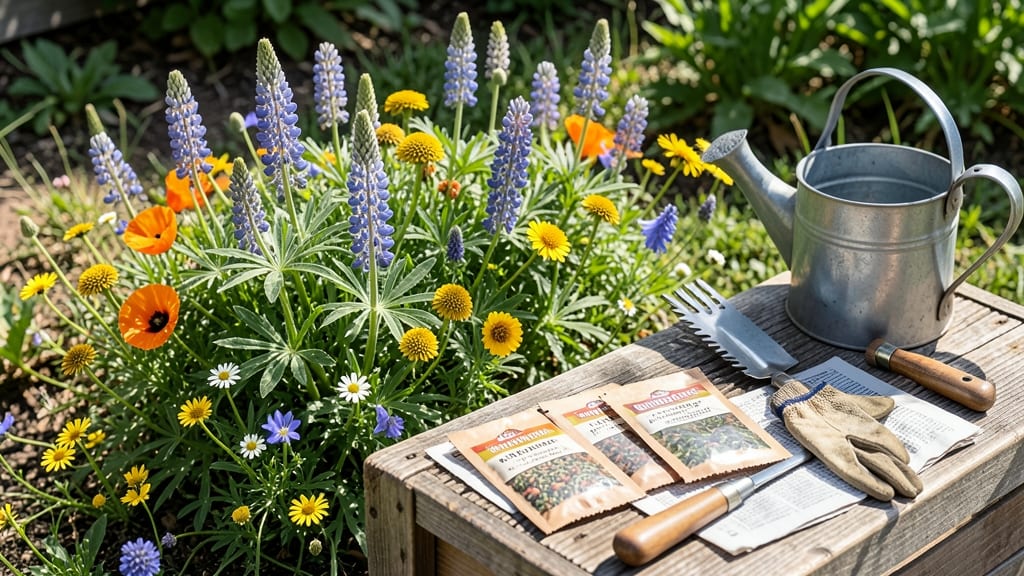
Plant wildflower seeds in Southern California between October and November or February and March to align with the region’s natural rainfall cycles and avoid the brutal summer heat.
Southern California’s mild winters and long growing season create the perfect conditions for vibrant wildflower meadows—but timing your planting is everything to avoid wasted seeds and missed blooms.
Fall planting lets seeds germinate during winter rains, while spring planting gives them a head start before summer’s dry spell kicks in. Coastal areas and inland deserts each have their own ideal windows, so knowing your microclimate makes all the difference.
Below, I’ll break down the best months, soil prep secrets, and care tips to ensure your wildflowers bloom reliably year-round—no guesswork, just results.
Optimal wildflower planting months in Southern California by season
Southern California’s mild Mediterranean climate offers two prime windows for planting native wildflower seeds: fall and spring. These seasons align perfectly with natural rainfall patterns and temperature fluctuations, ensuring the best germination rates and vibrant blooms.
Understanding why each season works best helps you avoid common mistakes like planting too early or missing the ideal moisture window.
The key to successful wildflower planting lies in matching seed sowing with soil moisture and temperature conditions. In SoCal, fall planting (October-November) takes advantage of winter rains, while spring planting (February-March) capitalizes on spring showers and warming soils.
Both approaches yield stunning meadows, but the timing affects which wildflower species thrive and when they bloom.
Fall planting (October-November) is my top recommendation for SoCal gardeners. The cool evenings and winter rains create ideal conditions for seeds to swell and germinate without drying out. Native species like California poppies and lupines thrive when sown in fall, producing bright spring blooms that attract pollinators.
This timing also allows seeds to establish roots before summer's heat arrives.
Spring planting (February-March) works well for summer-blooming wildflowers like blanket flower and coreopsis. The spring rains provide necessary moisture while warming soils accelerate growth. However, spring planting requires more frequent watering to compensate for drying winds, especially in inland areas.
I always recommend lightly mulching after spring planting to retain moisture.
Winter planting is generally not recommended because SoCal's occasional heavy rains can wash seeds away or cause soil saturation, leading to rot. The cooler temperatures also slow germination, making seeds vulnerable to fungal diseases.
If you must plant in winter, focus on drought-tolerant species like deer grass and use protective netting to prevent erosion.
Summer planting is a common mistake among new gardeners. The intense heat and dry conditions make it nearly impossible for seeds to germinate without constant irrigation. Even with frequent watering, summer-sown seeds often bake in the sun before sprouting.
If you're set on summer planting, consider shade cloth and drip irrigation for better success.
For coastal regions (like San Diego), fall planting extends into December due to milder temperatures and consistent moisture. Inland areas (like the Inland Empire) should finish fall planting by early November before the ground hardens.
Always check your local microclimate—coastal zones stay wetter longer, while inland spots dry out faster, affecting planting windows.
After planting, watering patterns change by season. Fall-planted seeds need weekly light watering until rains take over, while spring-planted meadows require bi-weekly deep watering until established. I use a rain gauge to track moisture levels—once seeds sprout, reduce watering to prevent overcrowding and disease.
Mulching with straw or wood chips helps retain soil moisture and suppress weeds.
Pro tip: Mix native wildflower seeds with companion grasses like blue grama or deer grass to improve meadow structure. These grasses stabilize soil and reduce erosion, while their deep roots create microclimates that benefit wildflowers. For best results, aim for a 60/40 wildflower-to-grass ratio in your seed mix.
Timing your wildflower planting to match Southern California’s natural rainfall cycles ensures healthier plants and longer bloom seasons. Whether you choose fall or spring, proper preparation—clearing weeds,
How to choose wildflower seed varieties for Southern California’s climate zones
Southern California’s diverse climate zones—from coastal fog belts to inland deserts—mean not all wildflower seeds thrive equally. Coastal areas like Malibu experience cooler, wetter winters, while inland regions like Palm Springs face extreme heat and drought.
Choosing the right drought-resistant varieties ensures vibrant blooms year-round without extra watering. Native species like California poppies and lupines are perfect for inland zones, while coastal goldenrod and checkerbloom adapt better to moisture-rich coastal soils.
Soil type also plays a critical role. Sandy soils in coastal areas drain quickly, requiring seeds like tidytips that tolerate poor moisture retention. In contrast, clay-heavy soils inland need varieties like deer grass that thrive in compacted ground.
Always test your soil’s pH—most wildflowers prefer neutral to slightly acidic conditions (6.0–7.0)—and amend with compost if needed to improve fertility without overwhelming native plants.
🌱 Wildflower Seed Varieties by Southern California Microclimate
| Variety | Best For | Drought Tolerance | Bloom Season |
|---|---|---|---|
| California Poppy (Eschscholzia californica) | Inland, desert zones | ⭐⭐⭐⭐⭐ | Spring–Summer |
| Coastal Goldenrod (Solidago californica) | Coastal, foggy areas | ⭐⭐⭐⭐ | Summer–Fall |
| Lupine (Lupinus spp.) | Inland, well-drained soils | ⭐⭐⭐⭐ | Spring |
| Checkerbloom (Sidalcea malviflora) | Coastal, moist soils | ⭐⭐⭐ | Summer–Fall |
| Tidytips (Layia platyglossa) | Sandy, coastal soils | ⭐⭐⭐⭐⭐ | Spring–Summer |
For year-round blooms, mix seasonal varieties. Plant California poppies in fall for spring blooms, then add lupines in winter for early spring color. Coastal areas can extend blooms into fall with checkerbloom and coastal goldenrod.
Always choose native seed mixes to support local ecosystems and reduce water needs—these varieties have evolved to thrive with minimal intervention.
Preparing your soil is just as important as seed selection. Loosen the top 2 inches of soil with a rake to help seeds make contact with moisture. Avoid tilling deeply, as wildflower roots are often shallow.
In clay-heavy soils, mix in sand and compost to improve drainage, while sandy soils benefit from a thin layer of mulch to retain moisture. Never fertilize heavily—wildflowers prefer lean soil and may become leggy or prone to disease with excess nutrients.
Once planted, water deeply but infrequently. Newly sown seeds need consistent moisture to germinate, but established wildflowers can survive on rainwater alone in most SoCal zones.
Mulch with straw or wood chips to suppress weeds and retain soil moisture, but keep mulch 1–2 inches away from seeds to prevent rot. Within 4–6 weeks, you’ll see tiny sprouts—thin them to 6–12 inches apart to give each plant room to thrive.
Embrace the beauty of low-maintenance wildflowers by letting nature take its course. These resilient plants will reward you with colorful meadows that attract pollinators while requiring almost no upkeep once established.
Start small with a 10x10-foot patch, experiment with different varieties, and watch your garden transform into a vibrant, eco-friendly sanctuary.