
Flowers
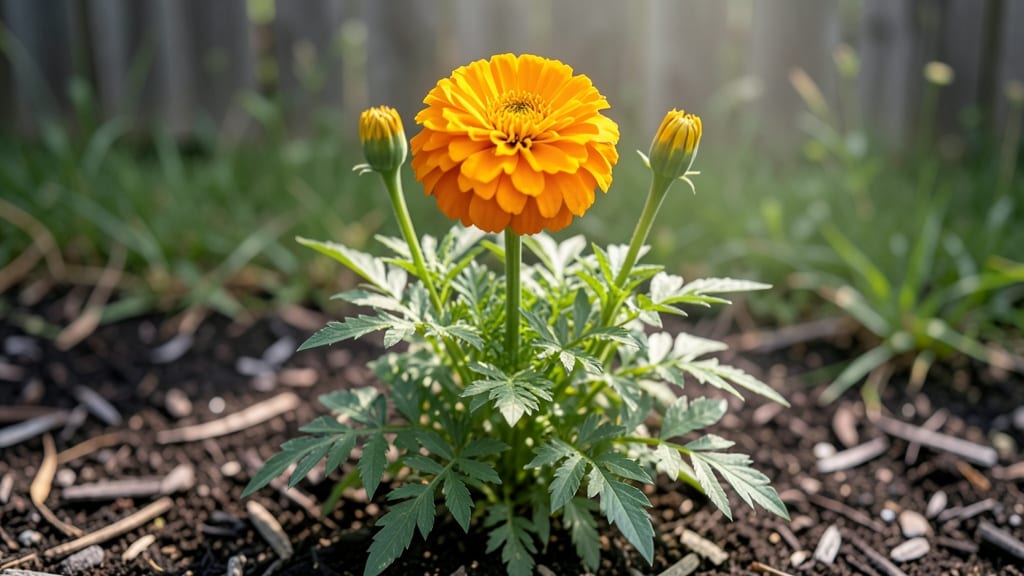
Marigolds flower in late spring through fall, turning gardens into a riot of orange and gold—but only if you plant them at the right time.
Want to enjoy vibrant marigold blooms all season long? Timing your planting by USDA zone is the secret to unlocking their full potential—miss the window, and you’ll miss the show.
In Zone 6a, where I garden, marigolds typically burst into bloom by mid-July if planted in early May, but cooler zones like 5 may see flowers as late as August. The key? Start seeds indoors 6-8 weeks before your last frost date.
Below, I’ll break down the exact planting months by zone, how to extend blooms with succession planting, and the three mistakes that cut flower time short—so you can enjoy 🌼 after 🌼 all season.
Best marigold planting months by USDA zone (exact timeline)
Timing your marigold planting is everything—these cheerful bloomers thrive when sown at the right moment. Since marigolds are warm-season annuals, they need consistent soil temperatures above 55°F (13°C) to germinate properly. Plant too early, and frost will kill tender seedlings.
Wait too long, and you’ll miss peak summer blooms. Let’s break down the exact planting windows by USDA zone to ensure your marigolds put on their best show.
Marigolds bloom from early summer to fall, but their flowering time depends on when you plant. In cooler zones, aim for late spring plantings, while warmer climates can start as early as February.
The key is aligning your planting with your last frost date and soil warmth. Below, I’ve mapped out the ideal months for each USDA zone, plus the soil temperature thresholds that trigger germination.
| USDA Zone | Last Frost Date | Ideal Planting Month | Soil Temp for Germination | Bloom Time |
|---|---|---|---|---|
| 3-4 | Mid-May | Late May - Early June | 60°F (16°C) | July - October |
| 5-6 | Mid-April | April - May | 55°F (13°C) | June - October |
| 7-8 | Mid-March | March - April | 50°F (10°C) | May - November |
| 9-10 | Late January | February - March | 45°F (7°C) | April - December |
| 11 | None | Year-round (successive plantings) | 50°F (10°C) | All year |
For USDA zones 3-4, where frost lingers late, wait until after Memorial Day to plant marigolds outdoors. Soil temperatures in these zones often stay below 55°F (13°C) until late spring, delaying germination.
If you’re eager to start earlier, use a seedling heat mat to warm the soil or begin seeds indoors 6-8 weeks before your last frost date.
In zones 5-6, you can push the envelope slightly by planting marigolds in late April, but always check your local frost-free date. A hard frost will kill young seedlings, so have a row cover ready if temperatures dip unexpectedly.
For French marigolds, which are more cold-tolerant, you can even try early April plantings in these zones.
Gardeners in zones 7-8 enjoy the longest marigold season, with blooms lasting from May through November. Here, you can start seeds indoors in February or direct-sow outdoors in March.
For continuous color, make successive plantings every 3-4 weeks through early summer. African marigolds, with their larger blooms, thrive in these warmer climates and reward you with bold, long-lasting flowers.
In zones 9-11, marigolds are practically year-round plants. You can sow seeds in February for spring blooms, then again in June for fall displays. These zones even allow winter plantings in mild microclimates, though growth slows during cooler months.
For container gardening, marigolds are ideal—just ensure pots have drainage holes and use a lightweight potting mix.
Pro tip: Use a soil thermometer to confirm your soil is warm enough before planting. Marigold seeds won’t germinate below 50°F
How to extend marigold flower time with succession planting
Marigolds are nature’s cheerful ambassadors, but their flowering season often fades too soon if you plant them all at once. The secret to continuous blooms from early summer through frost? Succession planting—a simple strategy that keeps your garden vibrant longer.
By staggering your plantings every 3-4 weeks, you create overlapping bloom cycles that blur the edges of summer and fall.
This method works especially well for French marigolds (shorter, bushier) and African marigolds (taller, more dramatic). Both varieties thrive with this approach, but timing and spacing are everything. Let’s break down the exact steps to turn your garden into a nonstop marigold show—no gaps, no regrets.
- Start your first planting 2-3 weeks after your last frost date (typically early May in most USDA zones). Use French marigolds for borders or African marigolds for height.
- Space seeds 1/4 inch deep and 12-18 inches apart (closer for French types). Thin seedlings to 6-12 inches apart when they’re 2-3 inches tall.
- Plant a second batch 3-4 weeks later, choosing a slightly later-maturing variety (like ‘Bonanza’ African marigolds) to extend the season.
- Add a third planting in early July for a late-summer boost. Use dwarf varieties (like ‘Tangerine Gem’) to fill gaps in containers or edges.
- Deadhead spent blooms weekly to encourage new flowers. Pinch back leggy stems to promote bushiness and delay bolting.
- Adjust watering frequency in late summer: water deeply every 3 days to prevent stress, but avoid overhead watering to reduce mildew risk.
- Stop fertilizing 6 weeks before frost to harden off plants. Mulch with straw or shredded leaves to protect roots in cooler zones.
Pro tip: Mix in slow-blooming varieties like ‘Crackerjack’ or ‘Janie’ for extra insurance. These types naturally stagger their blooms, so they’ll pick up where earlier plantings leave off. Pair them with fast-blooming ‘Gold Rush’ for a two-punch effect—your garden will never look bare!
Succession planting isn’t just about timing—it’s about creating harmony in your garden. The key is to overlap bloom cycles so that as one batch fades, another takes center stage. With this method, you’ll enjoy marigold magic from July right up to the first frost—if not beyond!
Remember, marigolds are drought-tolerant once established, but they reward consistent care with longer, brighter blooms. A little planning now means months of color later—without the hassle of replanting.