
Blooming
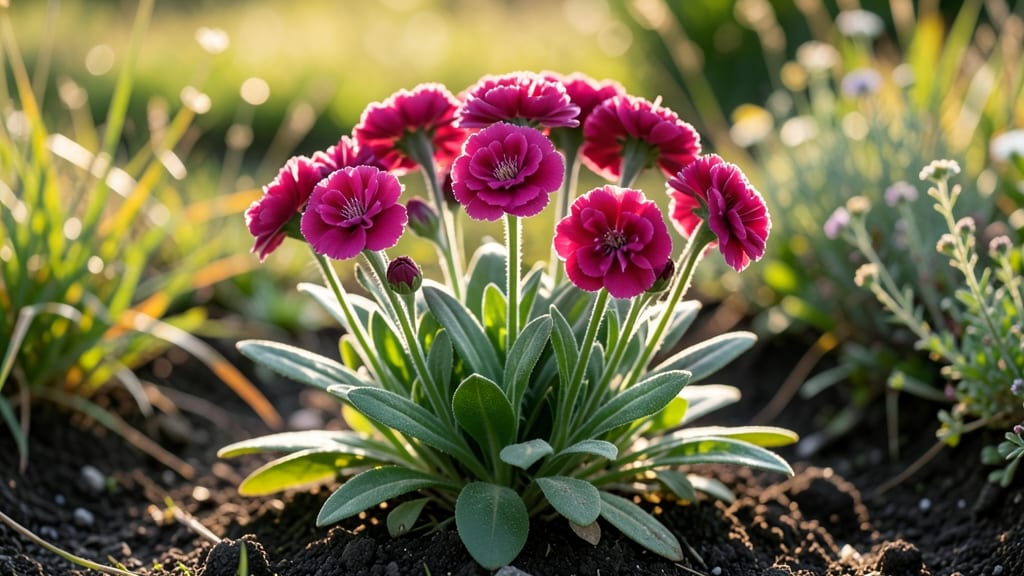
Your dianthus flowering season can stretch from May through September—but only if you time your planting and care just right for your USDA zone.
If you love the sweet fragrance and vibrant colors of dianthus flowers 🌸, timing your planting and care around their exact flowering season is key—because missing it means waiting another year for those stunning blooms.
But here’s the catch: the best months to enjoy dianthus vary dramatically depending on your USDA hardiness zone, and most gardeners get this wrong.
In zone 6a, where many gardeners live, planting in March or April sets you up for peak blooms by late spring, but the real secret to a longer season lies in deadheading spent flowers and adjusting watering as summer heats up.
Even a small tweak—like adding a light fertilizer in early summer—can push those blooms into September.
Below, I’ll break down the exact months your dianthus should flower based on your zone, plus the 3 simple tricks to keep them blooming for months longer than the average gardener. No guesswork, just results.
Exact dianthus flowering months by USDA hardiness zone (2024 guide)
Timing your dianthus care around its flowering season is the secret to nonstop color in your garden. Unlike many flowers, dianthus blooms follow a zone-specific schedule tied to frost dates and daylight hours.
In USDA Zone 5, for example, you might see early blooms in May, while Zone 9 gardeners enjoy winter blooms. The key? Planting at the right time and knowing which varieties thrive in your climate.
Dianthus flowers respond dramatically to daylight length and temperature shifts. Perennial varieties often bloom in late spring and early summer, while annuals may stretch their season from May through September.
But these timelines shift north to south. Let’s break down exactly when to expect blooms—and how to extend the season—based on your USDA hardiness zone.
| USDA Zone | Peak Blooming Months | Early Varieties | Late Varieties | Planting Window |
|---|---|---|---|---|
| Zones 3-4 | June–August | 'Firewitch' (May) | 'Blackout' (September) | April–May |
| Zones 5-6 | May–September | 'Sparkler' (April) | 'Matrona' (October) | March–April |
| Zones 7-8 | April–November | 'Cinderella' (March) | 'Firefly' (December) | February–March |
| Zones 9-11 | Year-round (peaks Jan–March) | 'Pink Skyrocket' (November) | 'Ruby Giant' (April) | September–October |
🌸 Note: Frost-sensitive varieties in Zones 9-11 may need winter protection.
In Zones 3-4, where winters are harsh, dianthus typically blooms from June to August. Plant hardy perennials like 'Firewitch' in early spring (April–May) to catch the first warm spells. These zones have the shortest blooming windows, so focus on deadheading to prolong flowers until frost.
Gardeners in Zones 5-6 enjoy a longer season—May through September—thanks to milder winters. Start planting in March for early blooms with varieties like 'Sparkler'. If you live in a high-altitude Zone 6, expect blooms to shift 2-3 weeks later than coastal areas.
For Zones 7-8, dianthus blooms stretch from April to November, with some varieties like 'Firefly' even flowering in December. Plant in February for a head start.
These zones benefit from year-round color if you mix early and late varieties. Mulch heavily in winter to protect roots from freeze-thaw cycles.
In Zones 9-11, dianthus can bloom year-round, peaking in January–March. Plant in September–October to align with natural rainfall patterns. Varieties like 'Pink Skyrocket' thrive in cool winter conditions, while 'Ruby Giant' handles hot summers. Use shade cloth in peak summer to prevent heat stress.
No matter your zone, deadheading is the #1 trick to extend blooms. Snip spent flowers weekly to encourage new buds. Pair early bloomers like 'Cinderella' with late varieties like 'Blackout' for a continuous color show.
And always plant in full sun—dianthus needs at least 6 hours of sunlight daily to trigger blooming.
Pro tip: Use seasonal cues like daylight length and first frost dates to fine-tune your schedule. For example, in Zone 5, start planting when daylight exceeds 14 hours (around late April). In Zone 9, plant when temperatures drop below 85°F
How to extend your dianthus blooming season by 3-4 months
Want your dianthus to bloom longer than just a few weeks? With the right techniques, you can push those fragrant flowers to last 3-4 extra months—turning a seasonal splash of color into a year-round garden highlight.
The secret lies in understanding how perennial vs. annual varieties respond to care, plus a few strategic tweaks most gardeners overlook.
First, let’s address the biggest myth: dianthus blooms only once per season. In reality, with proper care, they can keep producing new flowers from early spring through fall. The key is combining deadheading, soil amendments, and light management—all tailored to your USDA zone.
For example, in zones 5-7, you can coax blooms into late September by adjusting watering and fertilizing.
🌸 Top 5 Techniques to Extend Dianthus Blooms
- 1. Deadhead Daily – Snip off spent blooms at the base to redirect energy to new flowers. Use clean pruners to avoid disease.
- 2. Feed Strategically – Apply balanced fertilizer (5-10-10) every 4-6 weeks during active growth (spring/summer). Skip fall/winter.
- 3. Boost Drainage – Amend clay soil with sand or perlite to prevent root rot, which stunts blooming.
- 4. Adjust Light Exposure – Move potted dianthus to sunnier spots in late summer to trigger fall blooms.
- 5. Choose Perennials – Perennial varieties (like 'Firewitch') rebloom yearly, while annuals need replanting for extended color.
Let’s dive deeper into deadheading, the simplest yet most effective trick. Most gardeners stop here, but timing matters: remove faded blooms in the morning when stems are dry to prevent fungal growth.
For longer stems (like 'Sweet William'), cut just above the first set of leaves to encourage bushier growth and more buds.
Soil plays a hidden role in bloom duration. Dianthus thrives in slightly alkaline soil (pH 6.5-7.5). Test your soil—if it’s too acidic, add lime in early spring.
Pair this with a light mulch (like straw) to retain moisture without suffocating roots. In dry climates, water deeply once weekly rather than daily shallow watering.
Light manipulation is your secret weapon for late-season blooms. In zones 8-10, where winters are mild, dianthus can bloom year-round if given 6+ hours of sun. For container gardens, rotate pots weekly to ensure even light exposure.
In shady spots, supplement with a grow light for 4-6 hours daily to jumpstart spring blooms.
Finally, variety selection determines your success. Perennial dianthus (like 'Mystic Tides') return yearly with minimal care, while annuals (like 'Rainbow') need replanting but offer bigger, bolder blooms. For extended color, mix both: plant perennials in borders and annuals in containers for flexibility.
With these tweaks, your dianthus could bloom from April through October—or even longer!