
Flowers
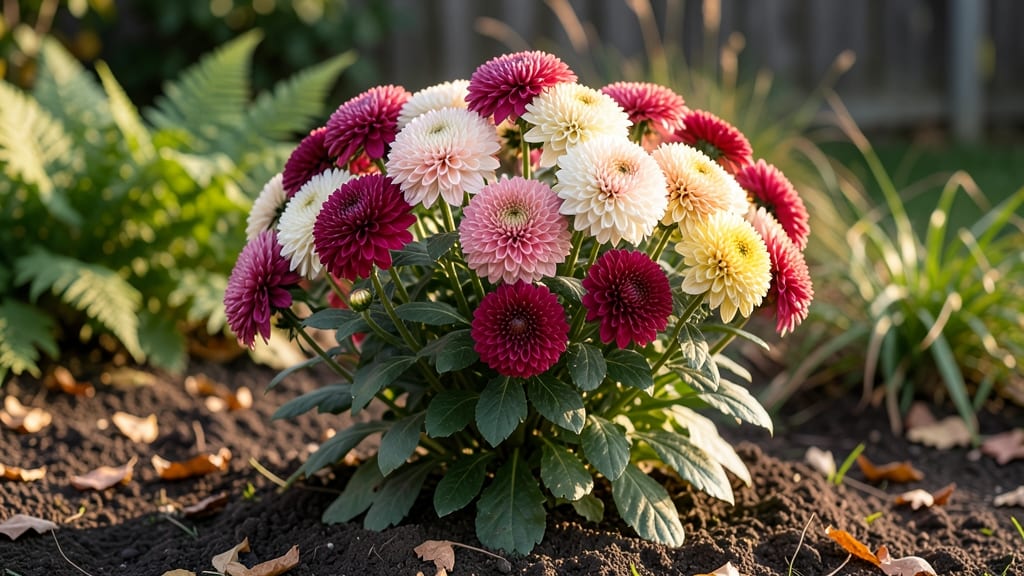
Caring for mum flowers 🌼 means unlocking their bold fall colors for months, not weeks—if you follow the right steps.
Picture this: you’ve just planted your chrysanthemums, and they’re already thriving in late summer. But by October, their blooms are fading fast—unless you know the year-round secrets to keep them vibrant.
From soil prep to seasonal tweaks, I’ll show you how to avoid common pitfalls and enjoy longer-lasting blooms.
Whether you’re a beginner or a seasoned gardener, the key lies in consistent care: the right sunlight, watering balance, and fertilizing schedule. We’ll cover everything from pruning techniques to pest management, so your mums stay healthy through every season—no guesswork needed.
By the end, you’ll know exactly how to extend their beauty, troubleshoot issues, and even overwinter them for next year’s showstopping display.
Mum flower care basics: soil, sunlight, and watering for maximum blooms
Mums (chrysanthemums) are the stars of fall gardens, but their vibrant blooms depend entirely on proper care. The right mix of sunlight, soil conditions, and watering habits transforms these plants from seasonal showstoppers to year-round performers.
Whether you're growing mums in containers or garden beds, mastering these basics ensures longer-lasting flowers and healthier plants.
First, let's tackle the foundation: soil quality. Mums thrive in well-draining soil with a slightly acidic pH between 6.0 and 6.5. This pH range helps them absorb nutrients efficiently, leading to richer colors and more abundant blooms.
If your soil tests higher or lower, you can adjust it with lime (to raise pH) or sulfur (to lower pH) before planting.
| Care Requirement | Specification | Notes |
|---|---|---|
| Soil Type | Well-draining, loamy | Add compost for fertility |
| Soil pH | 6.0–6.5 | Test and adjust with lime/sulfur |
| Sunlight Needs | 6+ hours/day | Morning sun preferred |
| Watering Frequency | Every 3–5 days | Adjust for heat/drought |
| Fertilizer Type | Balanced 10-10-10 | Apply monthly spring–summer |
| Container Care | Drainage holes required | Water more frequently |
Sunlight is non-negotiable for mums. These plants crave full sun, meaning at least 6 hours of direct sunlight daily. The best results come from morning sun paired with afternoon shade, especially in hot climates.
If your mums aren't getting enough light, their blooms will shrink in size and lose vibrancy. For container-grown mums, place them in the sunniest spot on your patio or balcony, rotating pots weekly for even growth.
Watering mums correctly is an art—too little causes wilting, while overwatering leads to root rot. Aim for deep watering every 3–5 days, ensuring moisture reaches the root zone without soggy soil. In containers, water more frequently (every 2–3 days) since pots dry out faster.
Always water at the base of the plant in the morning to reduce fungal risks and encourage strong root development.
Fertilizing plays a crucial role in prolonging blooms. Use a balanced 10-10-10 fertilizer every 4–6 weeks during the growing season (spring through summer). Stop fertilizing by late summer to allow mums to harden off before winter.
For container-grown plants, reduce fertilizer to half-strength to avoid salt buildup, which can damage roots. Organic options like compost tea also work well for a gentler nutrient boost.
Container-grown mums have unique needs compared to in-ground plants. Since pots have limited soil volume, they dry out faster and may need daily water checks during heatwaves. Use containers with drainage holes and fill them with a lightweight potting mix blended with perlite or vermiculite.
Repot every 2–3 years to refresh nutrients, and choose containers that are at least 12 inches wide to accommodate mature root systems.
One common mistake is assuming mums are low-maintenance once planted. In reality, they reward attentive care with longer bloom times. For example, deadheading spent flowers (removing faded blooms) encourages new buds to form, extending your mum's display by weeks.
Prune leggy stems in early spring to promote bushier growth, and always use clean, sharp shears to prevent disease transmission.
To troubleshoot issues, observe your mums closely. Yellowing leaves often signal overwatering or nutrient deficiency, while brown edges point to underwatering or high soil salinity. Adjust your care routine accordingly—reduce watering if soil stays soggy, or flush the soil with water to leach out excess salts.
Mulching around the base with 2–3 inches of organic mulch helps retain moisture, regulate soil temperature, and suppress weeds.
With these basics mastered, your mums will transition from seasonal highlights to year-round stars in your garden. The key is consistency: monitor soil moisture, protect from extreme heat or cold, and feed them regularly.
Soon, you'll enjoy those vibrant blooms well into late fall—and maybe even next spring with proper overwintering care! 🌼
Seasonal mum flower care tips: how to extend blooms through winter
Your chrysanthemums (mums) can shine year-round with the right seasonal care. While they're famous for their fall blooms, these hardy plants thrive with adjustments through every season. The key? Understanding their needs from late summer deadheading to winter dormancy—and everything in between.
In Zone 6 climates (like most U.S. gardens), mums face unique challenges: early frosts that kill blooms, summer heat stress that wilts leaves, and spring pruning that determines fall color.
Whether you're in a cold northern region or a mild southern zone, these seasonal strategies will keep your mums blooming longer and healthier.
🌼 Seasonal Mum Care Checklist
- Fall (Sept-Oct): Deadhead spent blooms weekly to encourage reblooming. Add 2-3 inches of mulch to insulate roots before first frost.
- Winter (Nov-Feb): In Zone 6+, protect mums with burlap wraps or straw mulch. Move potted mums indoors to bright, cool spots (50-60°F).
- Spring (Mar-Apr): Prune back dead stems by ⅓ to stimulate new growth. Repot root-bound plants in fresh well-draining soil.
- Summer (May-Aug): Water deeply 2x/week to prevent heat stress. Provide afternoon shade in southern climates (Zones 7+).
Start with fall prep, the most critical season for mums. After your plants finish blooming, deadhead regularly—this means snipping off wilted flowers at the base with clean pruning shears.
This simple step tricks the plant into producing new blooms instead of seeds, extending your display into late fall.
For cold climates (Zones 3-5), apply a thick layer of straw mulch around the base of your mums before the ground freezes. This insulates roots and prevents frost heave, which can uproot plants.
In warmer zones (6-9), you can leave mums in the ground year-round, but water sparingly during winter dormancy to avoid root rot.
When spring arrives, your mums will reward you with fresh growth if you prune them correctly. Cut back last year's stems by about one-third to encourage new shoots.
This is also the perfect time to divide overcrowded clumps—every 3-4 years, mums benefit from being split into smaller sections for better airflow and bloom production.
Don’t forget to fertilize lightly in early spring with a balanced 10-10-10 fertilizer. This jumpstarts growth without overwhelming the plant. As summer heats up, water deeply in the morning to reduce evaporation and fungal risks.
If your mums start drooping in heat, provide afternoon shade with a lightweight shade cloth.
With these seasonal adjustments, your mums will reward you with longer blooms and healthier foliage year after year. The secret? Consistent care tailored to each season’s challenges—whether it’s protecting from frost, pruning for growth, or preventing heat stress.
Your garden will thank you with vibrant color well beyond October! 🌼