
Shrubs
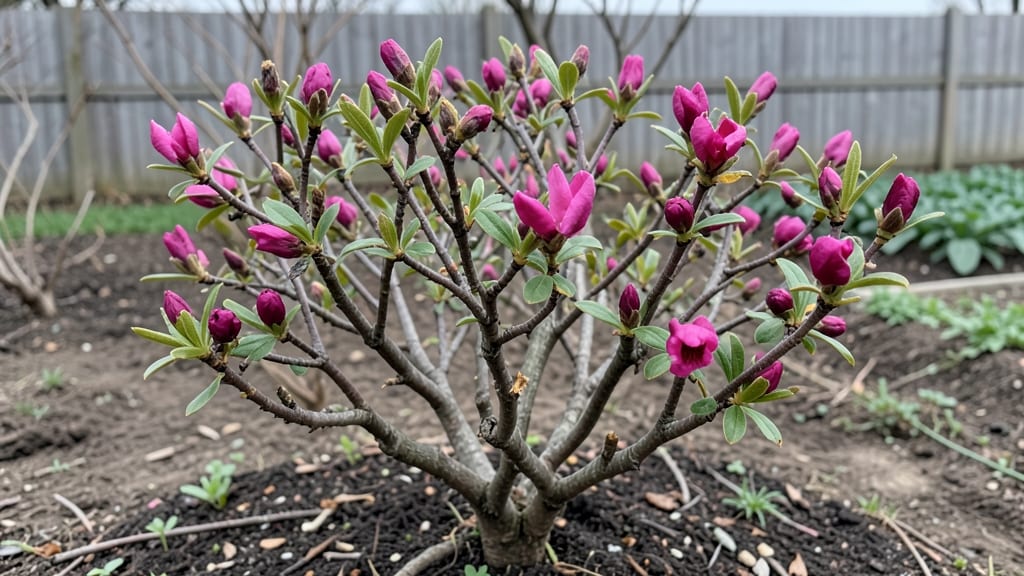
The peach flowering quince 🌸 delivers stunning spring blooms and bold autumn foliage—but only if you prune it right.
Picture this: a 6-foot shrub blanketed in peach-pink blossoms every March, then a fiery red display in fall. That’s the potential of Chaenomeles speciosa, but skip the pruning, and you’ll end up with a tangled mess of bare branches.
I’ve turned multiple “failed” quince bushes around in just two seasons—and you can too.
This hardy shrub thrives in USDA Zone 6a and beyond, but its care is more about timing than effort.
Whether you’re planting in fall or early spring, the key lies in when (and how) you prune, how much sun it gets, and a few simple soil tricks that make all the difference.
By the end of this guide, you’ll know exactly when to trim for maximum blooms, how to fix overgrown bushes, and the one mistake that kills flowering—so you can enjoy that show-stopping display year after year.
Peach flowering quince pruning guide: when, how, and why it’s critical
Pruning your peach flowering quince isn’t just about shaping—it’s the key to unlocking those vibrant spring blooms and keeping your shrub healthy for years. Unlike many plants, quince blooms on old wood, meaning last year’s growth produces this year’s flowers.
Cut too aggressively, and you’ll sacrifice next season’s show. But with the right approach, you can revive leggy shrubs, encourage dense foliage, and even extend the blooming season.
Timing is everything. Prune at the wrong time, and you’ll either stunt new growth or accidentally remove next year’s flower buds. Most gardeners make this mistake by pruning after the flowers fade, when they should be cutting back in late winter or early spring.
The good news? A little strategic pruning can transform a sad, sparse quince into a bloom-filled spectacle—I’ve seen it happen in my own garden!
Before you grab your shears, gather these essential tools: sharp bypass pruners for clean cuts, loppers for thicker branches, and gloves to protect your hands from thorns.
Disinfect your tools with rubbing alcohol to prevent spreading disease. Pro tip: Mark your cuts with white chalk to visualize the shape before you start cutting.
Now let’s get to the step-by-step pruning process—this is where the magic happens.
Peach Flowering Quince Pruning Steps
-
Step 1: Prune in late winter (before buds swell)
Remove dead, diseased, or crossing branches first. These cuts won’t affect flowering since they’re on old wood. Aim for clean cuts at a 45-degree angle just above an outward-facing bud.
-
Step 2: Thin out crowded branches
Select 3-5 strong, upright branches to keep as your main framework. Remove any weak or inward-growing branches at the base. This improves airflow and reduces disease risk.
-
Step 3: Head back overgrown branches
Shorten long, leggy branches by one-third to encourage bushier growth. Make cuts just above a leaf bud or lateral branch. Avoid cutting back into old wood—this removes next year’s flower buds!
-
Step 4: Light post-bloom pruning (optional)
After flowers fade, you can do a light cleanup to remove any spent blooms or weak growth. Avoid heavy pruning now—it’ll reduce next year’s flowers.
-
Step 5: Shape for balance
Step back and check your work. The goal is a rounded, open center with branches spaced evenly. Avoid a "mushroom" shape where branches grow only at the top.
Here’s a common mistake I see: gardeners prune too late in spring or summer, which removes next year’s flower buds. Always prune before buds swell in late winter for the best results. Another pitfall? Cutting back into old wood—this can leave your quince bare and leafless for years.
For older, overgrown quince, you can do a rejuvenation prune in stages over 2-3 years. Each year, cut back one-third of the oldest branches to the ground.
This encourages new growth while preserving some flower buds. Patience is key—your quince will thank you with more blooms and healthier foliage!
After pruning, apply a layer of mulch around the base to retain moisture and suppress weeds. Water deeply to help the plant recover. In the first few weeks, you might see new shoots—these are a sign your pruning worked!
Fertilize lightly in early spring with a balanced 10-10-10 to support new growth.
Remember, peach flowering quince is tough but finicky. With the right pruning, it’ll reward you with years of stunning blooms and vibrant fall foliage. The effort is worth it—trust me, your garden (and neighbors) will notice the difference!
🌸
Peach flowering quince care secrets: soil, sun, and water for nonstop blooms
Your peach flowering quince (Chaenomeles speciosa) thrives when you mimic its natural habitat—well-draining soil, full sun exposure, and consistent but moderate watering. These three factors directly impact bloom abundance, leaf health, and even winter hardiness.
Skip one, and you’ll risk leaf scorch, powdery mildew, or sparse flowers. Let’s break down the exact conditions it craves.
Start with soil that drains like a sieve. Flowering quince hates soggy roots, so amend heavy clay with 50% compost and 30% perlite or coarse sand. A pH between 6.0 and 7.0 ensures nutrients are accessible.
Test your soil—if it’s too alkaline, mix in peat moss to lower pH. Mulch with 2-3 inches of wood chips to retain moisture while preventing root rot.
| Season | Care Task | Frequency | Notes |
|---|---|---|---|
| Spring | Prune after blooms fade | Once | Remove dead wood; shape for airflow |
| Spring | Fertilize with 10-10-10 | Early spring | ½ cup per plant; avoid late summer |
| Summer | Water deeply | Bi-weekly | Morning only; 2L per plant |
| Fall | Mulch heavily | Once | 3 inches; protect roots from freeze-thaw |
| Winter | Water lightly | Monthly | Prevent desiccation in wind |
Sunlight is non-negotiable for peach flowering quince. Plant it where it gets 6+ hours of direct sun daily, ideally in a south-facing spot. In hot climates like Zone 8+, provide afternoon shade to prevent leaf scorch—those crispy brown edges are a cry for help.
If your shrub gets less than 4 hours of sun, expect fewer blooms and leggy growth. Test your spot: cast a shadow at noon; if it’s longer than 3 feet, relocate.
Watering is where most gardeners go wrong. Young plants need weekly deep watering (2 liters per plant), but established quince only requires bi-weekly soaks in summer. Overwatering causes root rot, while underwatering leads to bud drop.
Check soil moisture by sticking your finger 2 inches deep—if it’s dry, water. Always water at soil level, not the leaves, to avoid powdery mildew. A drip irrigation system keeps roots consistently moist without fungal risks.
Troubleshoot common issues by addressing their root causes. Leaf scorch? Move to partial shade and mulch thicker. Powdery mildew? Spray with neem oil and improve airflow by pruning dense branches. Sparse blooms? Fertilize in early spring and ensure full sun.
For winter dieback, wrap the base with burlap in cold climates (Zone 5 and below). Your quince will reward you with vibrant peach blossoms from late winter to early spring.
Pro tip: Group peach flowering quince with dwarf conifers or ornamental grasses to create a low-maintenance, high-impact border. The contrasting textures and colors will make your blooms pop year-round. With these care secrets, your quince will become the showstopper of your garden—no pruning shortcuts needed!