
Succulent
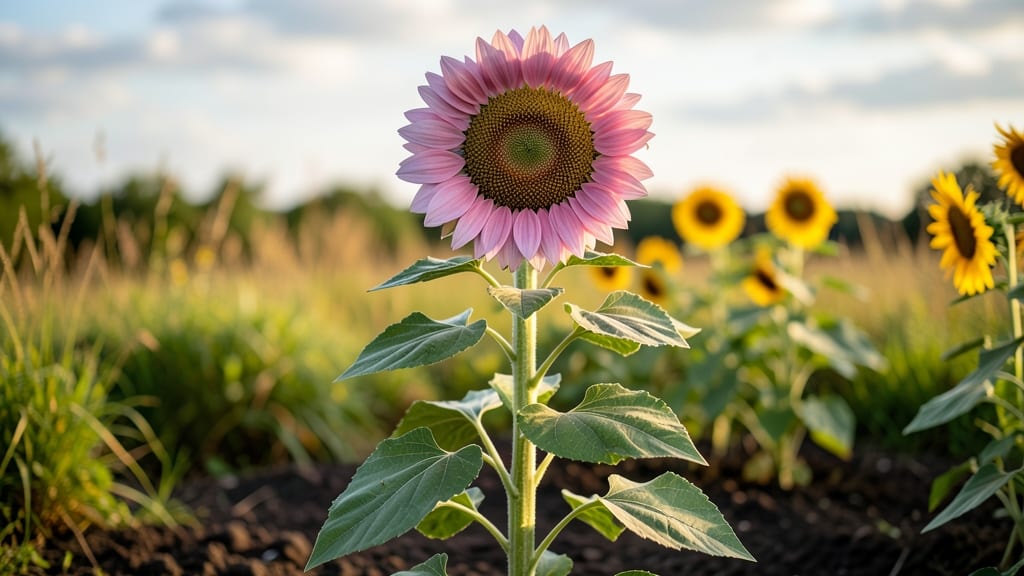
Giant pink teddy bear sunflowers 🌻 bring a dreamy, whimsical touch to gardens with their towering height and velvety petals.
Imagine sunflowers so towering they dwarf you—yet their petals blush in delicate pink hues instead of golden yellow. The Pink Giant Teddy Bear Sunflower isn’t just a plant; it’s a statement piece that turns any garden into a living work of art.
These sunflowers thrive in full sun and reach heights of 10 to 14 feet, making them perfect for creating dramatic focal points or adding a pop of color to cottage-style gardens. Their unique texture and height also make them ideal for pollinator-friendly designs.
In this guide, I’ll share creative ways to showcase their stunning blooms, from pairing them with complementary plants to using them as privacy screens or eye-catching borders. Get ready to transform your outdoor space into a vibrant, eye-catching haven!
Why pink giant Teddy Bear sunflowers outshine traditional varieties
When I first saw the Pink Giant Teddy Bear Sunflower, I knew it wasn't just another sunflower—it was a game-changer. These beauties redefine what we expect from sunflowers by combining unexpected pink petals with towering heights that reach 10 to 14 feet tall.
Unlike their classic yellow cousins, they bring a soft, velvety texture to their petals, earning their adorable nickname.
Their unique petal structure sets them apart immediately. While traditional sunflowers have smooth, uniform petals, Teddy Bear varieties boast ruffled, layered edges that resemble a teddy bear's fur. This texture creates a three-dimensional depth that catches light differently, making them shimmer in sunlight like a living pink gem.
Height comparison alone makes them stand out. Most standard sunflowers max out at 5 to 6 feet, while these giants can dwarf you completely—perfect for creating dramatic focal points in any garden. Their tall, sturdy stems also make them excellent for privacy screens or windbreaks while still providing stunning visual interest.
Here's where things get really interesting: their pollinator magnetism. While yellow sunflowers attract bees and butterflies, the pink hue of these varieties has a unique allure. Research shows that pink flowers often attract hummingbirds and certain butterfly species that prefer lighter colors.
Planting them alongside traditional sunflowers creates a colorful pollinator buffet that keeps your garden buzzing all season.
The visual impact of these sunflowers is undeniable. Their vibrant pink petals create stunning contrasts against green foliage and blue or purple companion plants. In my own garden, I've seen them elevate cottage-style plantings and modern minimalist designs alike.
The way they reflect light differently than yellow varieties adds an unexpected sparkle to any landscape.
Let's talk about durability. These sunflowers develop thick, woody stems that can handle light winds better than many varieties. Their deep root systems also make them more drought-tolerant once established, reducing the need for constant watering. This makes them ideal for low-maintenance gardens or xeric landscapes.
For those concerned about seasonal interest, these sunflowers deliver year-round. Even after blooming, their dried seed heads provide winter structure and wildlife habitat. Birds love the seeds, and the textured stems add architectural interest to winter gardens.
I've kept several dried heads in vases for holiday decor, and they've become a conversation piece every year.