
Blooming
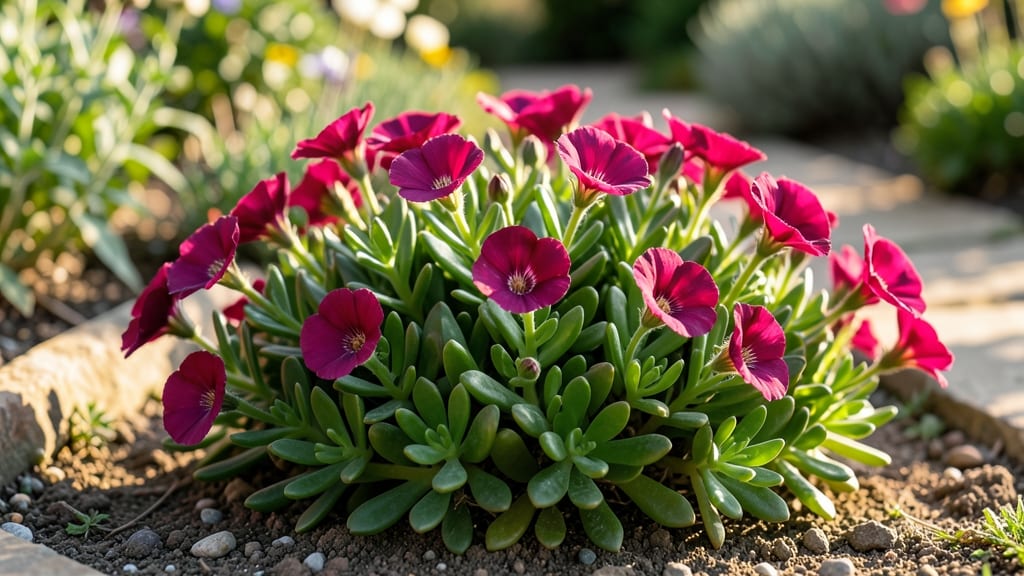
The portulaca flower season shines brightest in summer and beyond, transforming your garden into a riot of color that lingers well into fall—if you plant them at the right time.
If you love vibrant, sun-loving flowers that bloom effortlessly in heat, Portulaca 🌸 is your perfect plant—but timing its planting for continuous color requires strategy. This drought-tolerant beauty thrives year-round in warm climates when planted at the right times, offering a spectrum of colors from pink to orange to magenta.
In USDA Zone 6a and warmer, Portulaca typically flowers from June through September, but with the right care, you can stretch that season even longer. The key? Planting in April or May and giving it full sun, then deadheading spent blooms to encourage repeat flowering.
Below, I’ll break down the best planting windows for your zone, how to keep those flowers coming all summer, and which varieties hold their color the longest—so you can enjoy this easy-care beauty without the guesswork.
Portulaca flower season: optimal planting times by USDA Zone for nonstop blooms
Portulaca, or moss rose, is a heat-loving annual that rewards gardeners with nonstop blooms when planted at the right times. In USDA Zones 8-11, where winters are mild or nonexistent, you can enjoy its vibrant flowers year-round with strategic planting.
The key is avoiding winter dormancy in cooler microclimates while maximizing bloom cycles during peak heat.
Unlike many flowers, portulaca thrives in intense summer heat and even blooms more prolifically when temperatures rise. However, planting too early in cooler zones can stunt growth, while late planting may miss the first flush of spring blooms.
Let's break down the ideal planting windows for each warm climate zone to ensure continuous color.
🌱 Pro Tip: Portulaca seeds germinate best in soil temperatures above 60°F. Use a soil thermometer to verify readiness before planting. In cooler microclimates within Zone 8, wait until after the last frost date to avoid seed rot.
| USDA Zone | Spring Planting | Summer Planting | Fall Planting | Bloom Window |
|---|---|---|---|---|
| Zone 8 | March-April (after frost) | June-July (for fall blooms) | September (for winter color) | Spring-Fall (with gaps) |
| Zone 9 | February-March | May-June (for fall blooms) | August-September | Year-round (with care) |
| Zone 10 | January-February | April-May (for fall blooms) | July-August | Year-round continuous |
| Zone 11 | Year-round (anytime) | Year-round (anytime) | Year-round (anytime) | Year-round nonstop |
🌿 Note: In cooler microclimates within Zone 8, protect plants with frost cloth during unexpected cold snaps.
In Zone 8, where winters are mild but occasional frosts occur, focus on spring and fall plantings to bridge bloom gaps. Plant seeds in March-April for summer blooms, then follow up with a June-July planting to extend color into fall.
A September planting can even provide winter interest in sheltered microclimates.
Gardeners in Zone 9 enjoy more flexibility, with year-round planting possible. Start seeds in February-March for early blooms, then repeat in May-June for a fall display. The August-September window ensures winter color when temperatures remain mild. This staggered approach creates a continuous bloom cycle with minimal gaps.
For Zone 10 and 11 gardeners, portulaca is a true year-round performer. Plant seeds anytime, but follow the 3-month rule: space plantings every 90 days to maintain nonstop blooms.
In Zone 11, where heat is intense year-round, provide afternoon shade during peak summer months to prevent flower scorch.
To maximize blooms, always plant portulaca in full sun locations with well-draining soil. Amend heavy soils with sand or perlite to prevent root rot. In container gardens, use lightweight potting mixes designed for succulents or cacti for optimal drainage.
🌞 Heat Tip: Portulaca's succulent stems store water, making it extremely drought-tolerant. Once established, reduce watering to every 7-10 days in summer to encourage more blooms and fewer leaves. Overwatering leads to leggy growth and fewer flowers.
For gardeners in cooler microclimates within Zone 8, consider using black plastic mulch to warm soil faster in spring. This technique can extend the planting window by 2-3 weeks and jumpstart blooms. Always monitor soil temperature with a thermometer to avoid planting too early.
By following these zone-specific planting windows and care tips, you'll enjoy portulaca's vibrant blooms for nearly the entire year in warm climates. The secret to nonstop color lies in strategic timing and understanding your local microclimate conditions.
How to extend portulaca blooms year-round: pruning, deadheading, and seasonal care tips
Portulaca's bright, sun-drenched blooms can last all season with the right care. Unlike many flowers, it thrives in heat and drought, but proper pruning and deadheading keep it flowering continuously.
The key is understanding when to trim and how to adjust care as seasons shift. I’ve learned that regular maintenance prevents leggy growth and encourages new buds.
Start by deadheading spent blooms every 2-3 days during peak season. This simple step tricks the plant into producing more flowers instead of seeds. For year-round blooms, I also prune back leggy stems by 1/3 their length in early summer to promote bushier growth.
The secret? Timing—prune after morning watering to reduce stress on the plant.
Portulaca blooms year-round in Zones 8-11 but needs seasonal adjustments. In spring and fall, focus on watering lightly (every 5-7 days). During summer heatwaves, increase water to every 3-5 days but avoid soggy soil. Prune in early summer to refresh growth before monsoon season.
Summer heatwaves can stress portulaca, causing drooping or yellowing leaves. My solution? Mulch with pebbles to retain moisture and reflect heat. I also water deeply in the morning to prevent fungal issues. For continuous blooms, reduce fertilizer in late summer—too much nitrogen encourages foliage over flowers.
In fall and winter, portulaca slows down but doesn’t die back. I stop fertilizing entirely and reduce watering to bi-weekly. If frost threatens, move potted plants to a sheltered spot or cover them with frost cloth.
With these adjustments, my portulaca keeps blooming until first frost in cooler zones.
Soil plays a huge role in extending blooms. Portulaca hates soggy soil, so I always plant in well-draining mixes with added perlite. For container gardening, use a cactus/succulent blend and ensure pots have drainage holes. Amend garden beds with compost or sand to prevent root rot.
For maximum impact, I interplant portulaca with companion plants like lantana or verbena. These pairings create a nonstop summer display while sharing similar care needs. The trick? Group plants by water needs—portulaca’s drought tolerance means it won’t compete with thirstier neighbors.
With these seasonal care tips, your portulaca will reward you with nonstop color from spring to frost. The key is consistency: deadhead regularly, adjust watering for heat, and prune strategically. Soon, your garden will be a sunny, blooming paradise all year! 🌻