
Lawn
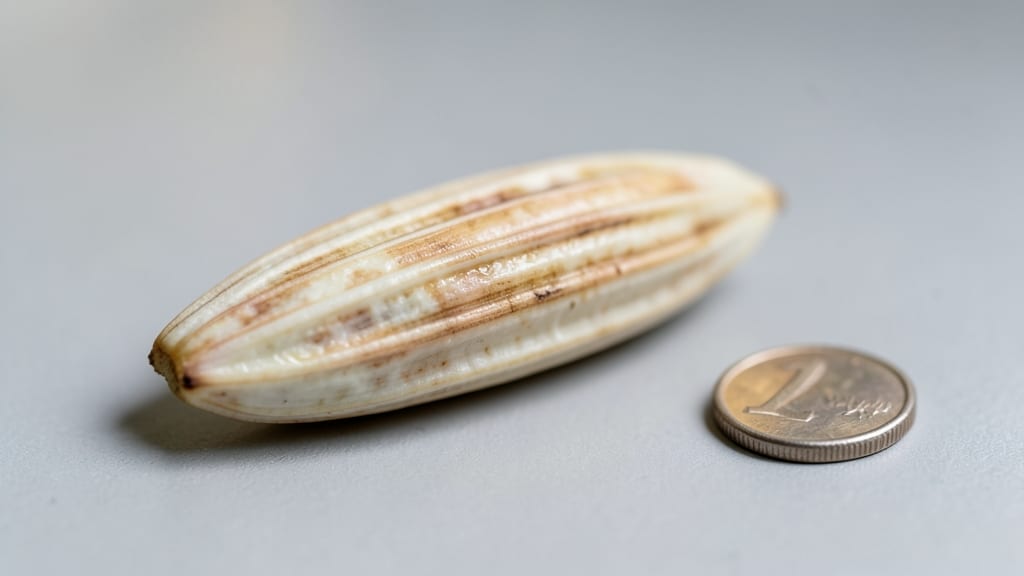
The size of a sunflower seed is about 1/4 inch long and 1/8 inch wide, making it one of the easiest seeds to handle in the garden.
Did you know that planting sunflower seeds too deep or too shallow can drastically reduce your chances of a thriving harvest? Understanding the exact size of a sunflower seed and its ideal planting depth is the first step to growing towering, vibrant sunflowers in your garden.
Most gardeners overlook how seed size affects germination and spacing, leading to either stunted growth or overcrowded plants. A sunflower seed’s small but precise dimensions mean planting it just 1 inch deep and spacing them 6 inches apart is key to success.
In this guide, I’ll break down the exact measurements, why depth matters, and how to avoid common planting mistakes that waste your time and effort.


Exact dimensions of a sunflower seed: what you need to know
When you're planning your sunflower garden, knowing the exact dimensions of a sunflower seed can make all the difference. These tiny powerhouses come in varying sizes depending on the variety, and understanding their measurements helps you determine planting depth, spacing, and even germination success.
Whether you're growing black oil, striped, or mammoth sunflowers, precise seed sizing ensures your plants thrive from the start.
Sunflower seeds aren't uniform—they range from 0.5 to 1.5 inches in length, with width and thickness varying just as much. For example, black oil sunflower seeds are typically the smallest, while giant mammoth varieties have noticeably larger seeds.
These differences directly impact how you handle them during planting, especially when deciding how deep to plant or how far apart to space them.
Here’s a quick breakdown of what you need to know about sunflower seed sizes, including how they influence your gardening strategy:
| Sunflower Type | Avg. Length | Avg. Width | Avg. Thickness | Planting Depth |
|---|---|---|---|---|
| Black Oil | 0.5–0.75 in | 0.25–0.35 in | 0.15–0.2 in | 0.5–1 in |
| Striped (Medium) | 0.75–1 in | 0.35–0.45 in | 0.2–0.25 in | 1–1.5 in |
| Mammoth/Giant | 1–1.5 in | 0.45–0.6 in | 0.25–0.35 in | 1.5–2 in |
The length of a sunflower seed is the most critical dimension for planting. Smaller seeds, like those from black oil varieties, can be planted shallower (0.5–1 inch) because they’re delicate and need less soil coverage to germinate.
Larger seeds, such as those from mammoth sunflowers, require deeper planting (1.5–2 inches) to stabilize them in the soil and prevent them from drying out or being displaced by wind or rain.
Seed width and thickness also play a role in spacing. Wider seeds, like those from striped varieties, need slightly more room between plants to avoid competition for nutrients and sunlight.
For example, if you’re planting striped sunflowers, aim for 6–12 inches apart, while black oil types can be spaced 4–6 inches apart due to their smaller size and quicker growth rate.
Regional variations can also affect how you handle sunflower seeds. In dry climates, like those in the Southwest, planting seeds deeper helps conserve moisture, while in humid regions, shallower planting reduces the risk of rot.
Always adjust your depth based on your local soil moisture levels and weather patterns to ensure the best germination rates.
Another key factor is seed weight, which isn’t always obvious but impacts how many seeds you’ll need. Larger seeds, like those from mammoth varieties, weigh more per seed, meaning you’ll use fewer seeds per pound compared to black oil types.
This can influence your seed purchase decisions if you’re planning a large garden. For instance, a pound of black oil seeds might contain 1,000–1,500 seeds, while a pound of mammoth seeds could yield only 200–400 seeds.
Understanding these dimensions also helps when direct sowing vs. transplanting. Smaller seeds are easier to handle for direct sowing, while larger seeds might be better suited for starting indoors and transplanting later.
If you’re transplanting sunflower seedlings, ensure the soil is loose and the hole is deep enough to accommodate the seed’s size without bending the root.
Pro tip: If you’re unsure about seed size, compare them to common household items. A black oil sunflower seed is roughly the size of a small grape, while a mammoth seed is closer to a large olive.
This visual comparison can help you gauge planting depth and spacing more accurately.
Mastering the exact dimensions of sunflower seeds empowers you to create a thriving garden with minimal waste. Whether you're a beginner or a seasoned gardener, paying attention to these details ensures your sunflowers grow strong, tall, and full of life.
Optimal planting depth for sunflower seeds based on size
Sunflower seeds are small but mighty, and getting their planting depth just right is crucial for strong germination. A typical sunflower seed measures about 0.5 to 1 inch in length, but their delicate size means they need precise care.
Planting too deep can suffocate the seedling, while planting too shallow risks drying out the seed before it sprouts. The general rule is to plant sunflower seeds at a depth of 1 inch, which is roughly 2 to 3 times their width.
This depth ensures they have enough moisture to germinate while still allowing the seedling to push through the soil easily.
However, the ideal planting depth can vary slightly based on your soil type and climate zone. For example, in sandy soil, which drains quickly, you might plant seeds slightly deeper—around 1.25 inches—to retain moisture.
Conversely, in clay soil, which holds moisture longer, a shallower depth of 0.75 to 1 inch can prevent over-saturation and rot. Always loosen the soil before planting to improve aeration and drainage, which helps the seedling establish roots more effectively.
Planting Depth for Sunflower Seeds
Pros of Correct Depth
- 🌱 Better germination: Seed stays moist but not waterlogged
- 🌱 Faster emergence: Seedling breaks through soil easily
- 🌱 Stronger roots: Encourages deep root development
Cons of Incorrect Depth
- ❌ Poor germination: Seed dries out (too shallow) or rots (too deep)
- ❌ Weak seedlings: Struggle to reach surface if planted too deep
- ❌ Stunted growth: Seedlings may become leggy or weak
When it comes to direct sowing versus transplanting, the depth guidelines shift slightly. For direct sowing, stick to the 1-inch rule—this is the most foolproof method for home gardeners.
However, if you're transplanting young sunflower seedlings, you can plant them slightly deeper, around 1.5 inches, to stabilize the stem and encourage stronger growth. Just be sure to bury the seedling gently to avoid damaging the delicate stem or roots.
Climate also plays a role in determining the best planting depth. In hot, dry climates, like those found in the southwestern U.S., planting seeds slightly deeper—up to 1.5 inches—can help retain moisture.
In contrast, cooler, wetter climates, such as those in the Pacific Northwest, may require shallower planting—around 0.75 inches—to prevent waterlogging. Always monitor soil moisture and adjust accordingly to ensure your sunflowers get the best start possible.
For larger sunflower varieties, like mammoth or giant sunflowers, you might consider a slightly deeper planting depth of 1 to 1.25 inches. These varieties have larger seeds, so they can handle a bit more depth without suffocating.
Smaller varieties, such as dwarf or snack sunflowers, should be planted at the standard 1-inch depth to avoid overcrowding and ensure each seedling has enough space to grow. Always space seeds 6 inches apart to give them room to thrive.
One final tip: if you're planting in containers or raised beds, use a well-draining potting mix and plant seeds at the standard 1-inch depth. Containers can dry out faster, so consider using a seed-starting mix that retains moisture while still allowing for good drainage.
With the right depth and care, your sunflower seeds will sprout into healthy, vibrant plants that reach their full potential.