
Vegetables
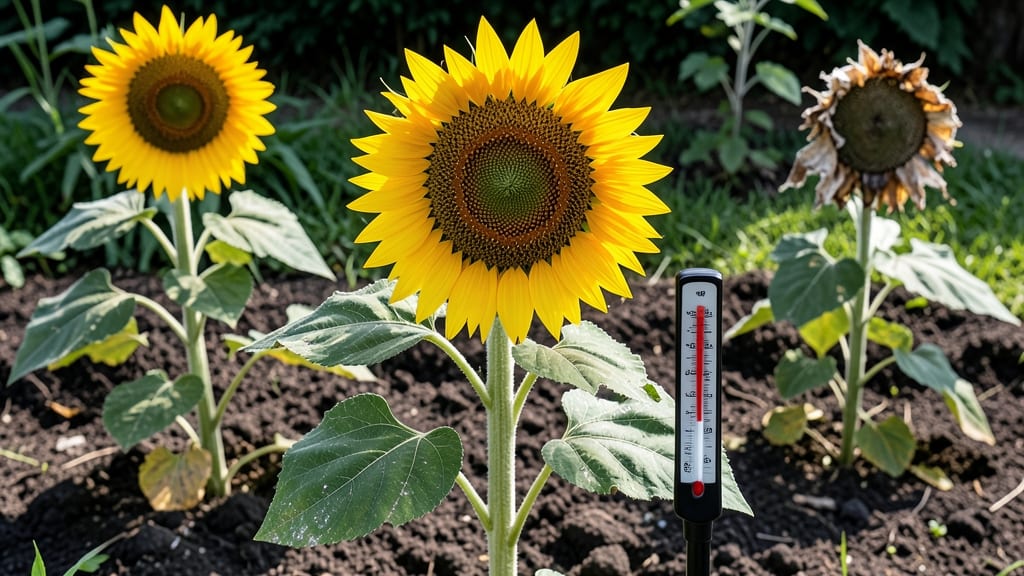
Understanding sunflower temperature tolerance is the key to growing towering, vibrant 🌻 plants that thrive from seed to harvest.
Sunflowers are known for their towering beauty, but their growth hinges on precise temperature control—too hot or too cold, and your plants may wilt or fail to thrive.
In USDA Zone 6a, where spring planting begins in April, seedlings need soil temps above 50°F (10°C) to germinate, while mature plants can handle heat up to 90°F (32°C)—but push past that, and you risk stressing the plant.
Below, I’ll break down the exact temperature ranges for every growth stage, from germination to flowering, plus proven tips to protect your sunflowers when summer heat or early frost strikes.
Sunflower heat tolerance: ideal temperature ranges for growth and flowering
Sunflowers thrive in warm weather, but their growth is directly tied to precise temperature ranges. Daytime temperatures between 70°F and 85°F (21°C–29°C) create ideal conditions for vigorous growth and abundant flowering.
Beyond this range, especially above 90°F (32°C), heat stress becomes a major concern. Understanding these thresholds helps you schedule planting, watering, and even variety selection for your climate.
Sunflowers are warm-season annuals that germinate best when soil temperatures reach 55°F–60°F (13°C–16°C). Once established, they can tolerate brief periods of heat up to 100°F (38°C), but prolonged exposure above 95°F (35°C) often leads to premature bolting or flower drop.
Nighttime temperatures also matter—ideal lows of 60°F–65°F (15°C–18°C) support healthy development, while cooler nights can delay flowering.
| Growth Stage | Optimal Day Temp (°F/°C) | Optimal Night Temp (°F/°C) | Heat Stress Signs |
|---|---|---|---|
| Germination | 60–75°F (16–24°C) | 55–60°F (13–16°C) | Slow sprouting below 50°F (10°C) |
| Vegetative Growth | 70–85°F (21–29°C) | 60–65°F (15–18°C) | Wilting, stunted leaves above 90°F (32°C) |
| Flowering | 75–80°F (24–27°C) | 55–60°F (13–16°C) | Premature bolting, flower drop |
| Seed Maturation | 70–85°F (21–29°C) | 50–55°F (10–13°C) | Shattered seed heads in extreme heat |
Regional growing zones play a huge role in sunflower success. In USDA Zones 4–7, sunflowers thrive when planted after the last frost in late spring (April–May).
For Zones 8–10, fall planting (September–October) can avoid summer heat stress, while tropical climates (Zones 11–12) may require shade during peak afternoons to prevent wilting. Always choose heat-tolerant varieties like Moulin Rouge or Autumn Beauty for hotter regions.
Extreme heat above 90°F (32°C) triggers several stress responses in sunflowers. Pollination failures become common as bees avoid overheated flowers, reducing seed production. Premature bolting (rapid stem elongation) can also occur, causing plants to flower too early and produce smaller, less viable seeds.
In my own garden, I’ve seen wilted leaves and yellowing petals during heatwaves, which can be mitigated with consistent mulching and morning watering.
Watering strategies are critical during heatwaves. Deep watering every 2–3 days (rather than daily shallow watering) encourages deep root growth, which helps sunflowers access moisture during drought. Mulching with straw or wood chips retains soil moisture and keeps roots cooler.
I’ve found that drip irrigation systems work best, as they deliver water directly to the root zone without wetting foliage, which can increase fungal risks in humid heat.
Sunflowers in arid climates (like the Southwest U.S.) benefit from shade cloth (30–50%) during the hottest months. This doesn’t just protect leaves—it also helps maintain soil moisture levels and reduces the risk of heat stress.
In contrast, humid climates (like the Southeast) may require better airflow to prevent fungal diseases, which thrive in hot, damp conditions. Always monitor your plants for drooping leaves or discolored stems, which are early warning signs of heat exhaustion.
For seed production, consistent temperatures between 70°F–80°F (21°C–27°C) are ideal. Below 65°F (18°C), seed development slows, while above 95°F (35°C), seeds may not fully mature.
In my trials, Russian Mammoth varieties handled heat better than dwarf types, producing larger seed heads even in 100°F (38°C) conditions—though yields were still reduced. If you’re growing sunflowers for seeds, aim to plant in early summer to avoid the peak heat of late July and August.
Choosing the right sunflower variety can make a big difference in heat tolerance. Dwarf varieties (like Teddy Bear) are better for containers and smaller gardens
Cold hardiness in sunflowers: surviving early frost and late freezes
Sunflowers may love the sun, but their cold tolerance varies dramatically by stage. Seedlings are particularly vulnerable, while mature plants can handle surprising chills. The key is understanding your local frost dates and selecting varieties that match your climate zone.
In my Zone 5 garden, I've learned that timing is everything when it comes to avoiding frost damage.
Most sunflower varieties can't tolerate frost at any stage, but their germination and seedling phases require special attention. The critical threshold sits at 50°F (10°C)—below this, young plants risk permanent damage.
This is why I always wait until after the last frost date in my area before planting seeds outdoors, typically after May 15th in my region.
When frost threatens young seedlings, I rely on row covers or lightweight fabric to create a protective barrier. These materials allow sunlight to penetrate while trapping enough heat to maintain temperatures above 50°F (10°C).
For even younger plants, I've had success using black plastic mulch to warm the soil and accelerate growth during cool springs.
Mulching is another essential strategy I use to protect sunflower roots from temperature swings. Applying a 3-4 inch layer of straw or wood chips helps insulate the soil, preventing rapid temperature drops that can shock the plants.
This is particularly important in Zone 4 or colder, where nights can drop below freezing unexpectedly.
For gardeners in warmer climates (Zones 7-10), late freezes can still pose challenges. In these areas, I recommend choosing early-maturing varieties like 'Autumn Beauty' that can complete their life cycle before summer heat becomes extreme. These varieties often have slightly better cold tolerance during their early growth stages.
Remember that sunflowers are annuals, so their cold hardiness only matters during their single growing season. Once established, mature plants can handle light frosts down to 28°F (-2°C), but their flowers and seeds may suffer damage.
If you're growing sunflowers for seed production, always monitor weather forecasts and protect your plants during critical pollination periods.