
Light Requirements
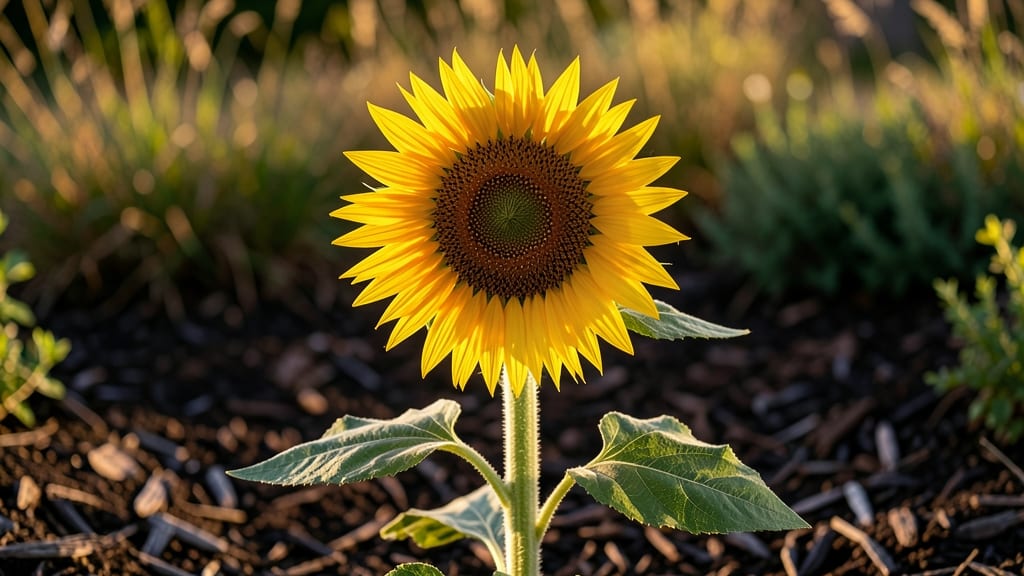
Sunflowers have specific sun requirements—they need 6 to 12 hours of direct sunlight daily to thrive and reach their towering, golden potential 🌻 — without it, they’ll stretch awkwardly or never bloom at all.
Picture this: your sunflowers lean toward the sun like sunbathers on a crowded beach, their stems twisting as they search for light. That’s not just a quirky habit—it’s a cry for help.
Too little sun, and you’ll end up with leggy, weak plants that flop over before producing those iconic blooms.
But here’s the good news: sunflowers are tougher than they look. Even in USDA Zone 6a, where spring days can feel short, they’ll adapt if you give them the right conditions.
The key is understanding how much light they truly need—and how to tweak their spot if your garden isn’t a sun-soaked paradise.
In this guide, I’ll break down the exact sunlight requirements for sunflowers, how to spot when they’re struggling, and pro tips to maximize their growth—whether you’re planting in April or dealing with a shady corner. Let’s get those stems strong and those blooms bright!

How many hours of sun do sunflowers really need?
Sunflowers thrive in full sun, but their exact needs vary depending on the variety. While most sunflowers crave 6 to 12 hours of direct sunlight daily, dwarf varieties can tolerate slightly less, while giant varieties demand more.
Understanding these differences ensures your sunflowers grow tall, strong, and full of vibrant blooms.
Sunlight isn’t just about quantity—it’s also about quality. Bright, direct light fuels photosynthesis, which is essential for energy production. Without enough sunlight, your sunflowers may grow leggy, produce small blooms, or even fail to flower altogether.
Let’s break down the specifics so you can give your sunflowers the perfect light conditions.
Here’s a quick reference for sunflower varieties and their sunlight needs:
For giant sunflowers, like the 'Russian Giant' or 'Mammoth', aim for 10-12 hours of sunlight daily. These varieties are bred to grow exceptionally tall—some reaching 12-16 feet—and they need maximum light to support their massive stems and blooms.
If you’re growing these in a garden with limited sunlight, consider using reflective surfaces like white mulch or mirrors to bounce extra light onto your plants.
In contrast, dwarf sunflowers, such as 'Teddy Bear' or 'Moulin Rouge', are more adaptable and can thrive with 6-8 hours of sun. These are perfect for containers or smaller gardens where space is limited.
Even in partial shade, they’ll still produce cheerful blooms, though they may not reach their full potential size or color intensity.
Seasonal changes also affect sunlight exposure. During summer months, days are longer, and sunflowers receive more natural light. However, if you’re planting in early spring or late summer, you may need to supplement with grow lights, especially in regions with shorter daylight hours.
I’ve found that using LED grow lights for 12-14 hours a day can help bridge the gap during overcast periods.
Measuring sunlight accurately in your garden is easier than you think. Use a sunlight tracker or a simple DIY method: place a white plate or piece of paper where you plan to plant your sunflowers. Mark the areas that receive direct sunlight throughout the day.
If more than 50% of the plate is shaded for more than 4 hours, your location may not be ideal for sunflowers, especially for taller varieties.
Another tip: observe your garden throughout the day. Morning sun is generally gentler and can help prevent sunburn, while afternoon sun is more intense.
If your sunflowers are in a location with harsh afternoon shade, consider moving them to a spot that receives more consistent sunlight or using shade cloth to protect them during peak heat hours.
Finally, don’t forget that soil health and watering practices play a role in how well your sunflowers utilize sunlight. Well-draining, nutrient-rich soil ensures that roots can absorb water and nutrients efficiently, which directly impacts the plant’s ability to photosynthesize.
Pairing the right sunlight with proper care will give you sunflowers that are taller, healthier, and more vibrant than ever before. 🌻
Signs your sunflowers aren’t getting enough sun (and how to fix it)
Sunflowers stretch toward the light like eager children reaching for a treat—but when they don’t get enough, their growth tells a sad story. Leggy stems, small blooms, and yellowing leaves are classic signs your sunflowers are crying out for more sunlight.
Even dwarf varieties need at least 6 hours of direct sun daily, while giant sunflowers demand 8+ hours to reach their full potential.
I’ve seen my own sunflowers struggle in partial shade, their once-promising stalks bending awkwardly toward the nearest light source. The good news? With a few simple adjustments, you can give your sunflowers the sunlight they crave—even in less-than-ideal spots.
Let’s diagnose the problem and fix it before your plants give up hope.
⚠️ callout warning
Sunflowers need: 6-8+ hours of direct sunlight daily
Signs of deficiency: Pale leaves, weak stems, tiny blooms
Fix it now: Move plants to sunnier spots or use reflective surfaces (like white walls) to boost light.
First, check your sunflowers’ stem strength. If they’re leaning dramatically or growing spindly, they’re stretching toward any available light. This isn’t just unsightly—it weakens the plant, making it more prone to snap in wind or fall over.
Even worse, the flower heads may never fully open, leaving you with underwhelming blooms instead of showstopping sunbursts.
Next, inspect the leaves. Yellowing lower leaves or pale green foliage are red flags. Sunflowers need intense light to produce chlorophyll efficiently, and shade forces them to work harder just to survive.
In extreme cases, you might even see purplish stems, a sign of stress from insufficient energy production.
Don’t overlook the flower size either. Sunflowers deprived of sunlight often produce tiny blooms or no flowers at all. The energy that should go into bold, golden petals gets redirected to basic survival.
If your sunflowers are putting out small, greenish buds instead of vibrant yellow faces, it’s time to act.
Here’s how to fix it: Rotate your plants every few days to ensure even growth, use reflective mulch (like white gravel) to bounce light onto leaves, or choose dwarf varieties if full sun isn’t an option.
Even partial shade can work if you supplement with grow lights during the lowest-light hours of the day.
With the right adjustments, your sunflowers can bounce back—just give them the sunlight they deserve, and they’ll reward you with towering stems and radiant blooms all season long. 🌻