
Flowers
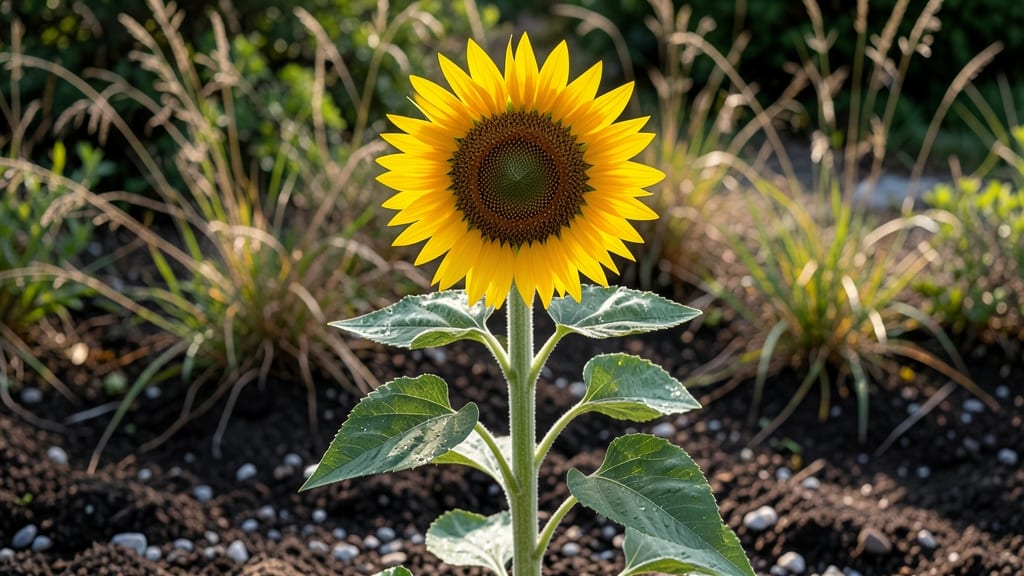
Sunflowers can grow up to 16 feet tall, turning your garden into a sunlit skyline with varieties that dwarf even the tallest humans.
If you’ve ever planted sunflowers and marveled at their towering presence, you’re not alone—but did you know some varieties can reach heights that rival small trees?
Understanding sunflower growth potential helps you choose the perfect variety for your garden space, whether you want a dramatic focal point or a manageable backyard bloom.
The key to their height lies in genetics, with dwarf varieties like ‘Teddy Bear’ staying under 3 feet while giants like ‘Russian Giant’ soar to 12–15 feet. Sunlight, soil quality, and spacing play critical roles, too—skimp on care, and even a tall variety might stay short.
Below, I break down exact height ranges by popular varieties, factors that influence growth, and practical tips to manage height—so you can pick the perfect 🌻 for your garden’s vision.


Sunflower height ranges by variety: from dwarf to giant species
Sunflowers are nature’s skyscrapers, offering a stunning range of heights from tiny tabletop varieties to towering giants that can dwarf even the tallest gardeners. The height of sunflowers varies dramatically by variety, with some reaching just 1–3 feet while others soar to 20+ feet.
Choosing the right variety depends on your garden space, design goals, and whether you want a dwarf sunflower for containers or a giant sunflower as a dramatic focal point.
For example, the ‘Teddy Bear’ variety stays compact at 3–5 feet, perfect for small yards or patio gardens, while the ‘Mammoth’ series can stretch to 12–16 feet, rivaling small trees.
Even more extreme, the ‘Russian Giant’ has been known to exceed 20 feet under ideal conditions. Understanding these ranges helps you plan for sunflower spacing, support needs, and even pollinator-friendly designs.
Here’s a quick reference for sunflower height ranges by category, including popular varieties and their mature heights:
| Variety Type | Height Range | Example Varieties | Best For |
|---|---|---|---|
| Dwarf | 1–3 feet | ‘Teddy Bear’, ‘Pocket Sun’, ‘Moulin Rouge’ | Containers, small gardens, cut flowers |
| Semi-Dwarf | 3–6 feet | ‘Autumn Beauty’, ‘Lemon Queen’, ‘ProCut’ | Beds, borders, pollinator gardens |
| Standard | 6–10 feet | ‘Russian Giant’, ‘Mammoth’, ‘Sunspot’ | Backyard focal points, large gardens |
| Giant | 10–16 feet | ‘Russian Giant’, ‘American Giant’, ‘Colossus’ | Open fields, dramatic displays, record-breaking gardens |
| Record-Breakers | 16–20+ feet | ‘Mammoth Russian’, ‘Giant Russian’ (special hybrids) | Agricultural displays, competitive growing |
The ‘Teddy Bear’ sunflower, for instance, is a fan favorite for its 3–5 foot height and cheerful, child-friendly blooms. These dwarf varieties thrive in containers or small spaces and are ideal for cutting gardens or adding color to patios.
On the opposite end of the spectrum, the ‘Russian Giant’ can reach 12–16 feet with proper care, making it a showstopper for large gardens or agricultural exhibits.
If you’re growing sunflowers for cut flowers or seed production, taller varieties like ‘Mammoth’ or ‘American Giant’ are excellent choices. Their 10–16 foot stems provide sturdy support for large blooms, while their seeds are prized for bird feeders or culinary uses.
For pollinator gardens, semi-dwarf varieties like ‘Autumn Beauty’ (5–6 feet) offer a balance of height and accessibility for bees and butterflies.
One common misconception is that all sunflowers need full sun and vast space to reach their maximum height. While sunlight is critical, even dwarf varieties can thrive in partial shade if given consistent moisture.
However, giant sunflowers will struggle to reach their potential without 6+ hours of direct sun daily and well-draining soil. Always check the specific variety’s requirements before planting.
For urban gardeners or balcony growers, consider ‘Pocket Sun’ or ‘Moulin Rouge’, both under 3 feet tall and perfect for 5-gallon containers. These varieties also bloom earlier, giving you longer enjoyment of their vibrant colors.
Meanwhile, if you’re aiming for a dramatic backyard statement, plant ‘Russian Giant’ in clusters and provide stakes or cages to prevent toppling in windy conditions.
Pro tip: If you’re growing giant sunflowers and want to control their height, prune the main stem early in the season to encourage bushier growth with multiple smaller blooms. This technique is especially useful for smaller gardens where a 15-foot stalk might be impractical.
Just be prepared to sacrifice some of the record-breaking height for a fuller, more manageable plant.
Whether you’re a beginner gardener or a seasoned grower, selecting the right sunflower variety based on height ensures your garden stays both functional and stunning. From dwarf sunflowers for windowsills to giant varieties for backyard skylines, there’s a perfect match for every space.
Start small with a 3-foot ‘Teddy Bear’, or go all out with a 16-foot ‘Russian Giant’—your garden’s vertical potential is limited only by your imagination!
Factors that influence sunflower height: soil, Climate, and care tips
Sunflower height isn’t just about the variety you plant—your garden’s conditions play a huge role. I’ve seen Russian Giant sunflowers reach 12 feet in ideal conditions, while the same variety might only hit 8 feet in less-than-perfect soil.
The right combination of sunlight exposure, soil nutrients, and watering habits can push your sunflowers to their full potential—or keep them shorter for easier care.
Let’s break down the key factors that determine how tall your sunflowers will grow, so you can tailor your approach to your garden’s unique conditions. Whether you’re aiming for sky-high giants or manageable backyard blooms, understanding these elements gives you control over the outcome.
- 1 Sunlight: Sunflowers need 6+ hours of direct sun daily. Less light = shorter stems (expect 30-50% height reduction in partial shade).
- 2 Soil Quality: Nutrient-rich, well-draining soil fuels growth. Poor soil = stunted growth (up to 4 feet shorter than potential).
- 3 Watering: Deep watering 2-3x/week supports tall growth. Underwatering = weak stems (height loss of 2-3 feet).
- 4 Spacing: Crowded plants compete for nutrients, reducing height by 15-20%. Ideal spacing: 12-18 inches apart for giants.
- 5 Climate: Warm temperatures (70-85°F) optimize growth. Cooler climates slow growth, potentially reducing height by 30%.
One of the biggest misconceptions is that sunflowers will automatically reach their maximum height just because they’re a "giant" variety.
For example, the Mammoth variety can grow 10-12 feet, but if you’re in a USDA Zone 5 with shorter growing seasons, you might only see 6-8 feet unless you extend the season with row covers.
I’ve even seen Russian Giant sunflowers in containers max out at 8 feet because their roots were restricted.
To maximize height, focus on consistent care. Start with well-amended soil (add compost or a balanced fertilizer at planting), and stake tall varieties early to prevent lodging. I stake my 12-foot giants with 3-foot bamboo stakes buried 12 inches deep—this gives them stability without restricting growth.
For shorter varieties like Teddy Bear, staking isn’t necessary, but a light mulch layer helps retain moisture and nutrients.
If you’re dealing with limited space or want to control height, you can prune side shoots to redirect energy into the main stem. I’ve used this trick with Autumn Beauty sunflowers to keep them under 6 feet while still getting vibrant blooms.
Just pinch off any side buds when they’re 2-3 inches long, and the plant will focus on growing taller rather than bushier.
Remember, sunflowers are fast growers, and their height is often determined in the first 6-8 weeks after sprouting. Pay attention during this critical period—adequate water and nutrients will set the stage for their final height.
With the right conditions, you could see Russian Giant sunflowers towering over your fence, or dwarf varieties perfect for container gardens.
🌻