
Orchid Care
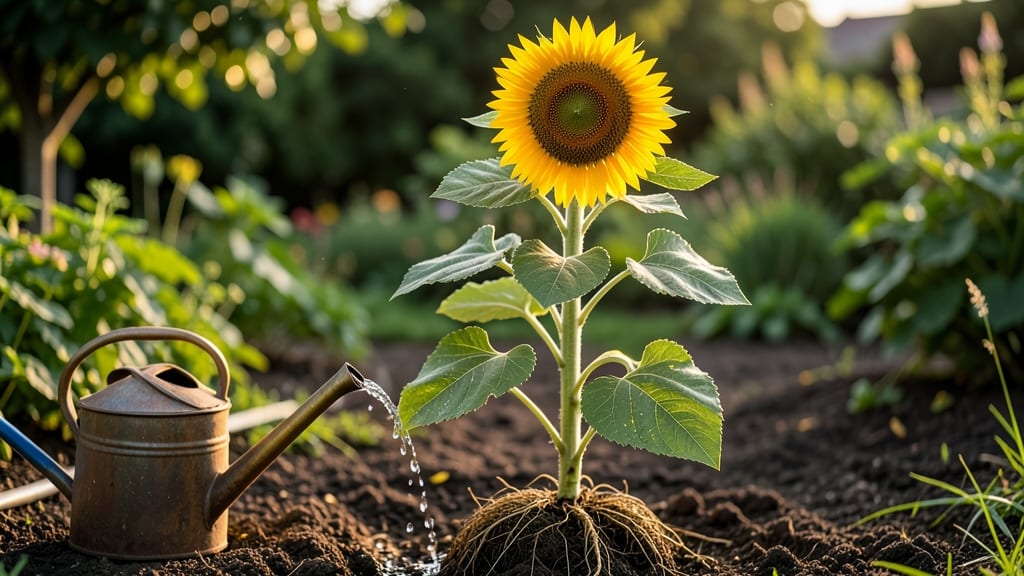
Giving sunflowers the right amount of water is the difference between a 16-foot giant 🌻 and a sad, drooping stalk.
Sunflowers are thirsty giants—neglect their water needs, and you’ll watch those towering stems flop instead of flourish. But overwatering? That’s just as deadly. The secret lies in a precise watering rhythm that fuels growth without drowning roots.
Most gardeners assume sunflowers are low-maintenance, but their deep taproots demand consistent moisture—especially in Zone 6a where spring and summer heat can dry soil faster than you think. Too little water, and the plant wilts; too much, and you risk root rot.
In this guide, I’ll break down exactly how much water sunflowers need, when to water them for maximum growth, and how to spot the signs of over- or underwatering before it’s too late.
How much water do sunflowers need for maximum growth?
Sunflowers are one of the most dramatic plants in the garden, growing from tiny seeds into towering giants that can reach 10+ feet tall. But their rapid growth comes with a catch: they need consistent moisture to thrive.
Too little water, and their stems will wilt; too much, and you risk root rot or fungal diseases. The key is understanding their water needs by growth stage and adjusting based on your climate.
Most gardeners assume sunflowers are drought-tolerant because they’re often planted in dry fields. However, that’s only true once they’re fully established. Young sunflowers, especially those under 6 inches tall, need regular watering to develop strong roots.
Even mature plants require deep watering to keep their stems sturdy and flowers vibrant. Think of it like watering a skyscraper—you wouldn’t give it a sip from a hose; you’d need a steady, deep soak.
Here’s the science-backed rule: sunflowers need about 1-2 inches of water per week, delivered either through rainfall or manual watering. However, this amount can vary based on your local climate, soil type, and the stage of growth.
Sandy soil drains faster, while clay soil holds moisture longer. Heatwaves and high winds also increase evaporation, meaning you may need to water more frequently during peak summer months.
| Sunflower Height | Watering Frequency | Water Amount | Key Tips |
|---|---|---|---|
| 0–6 inches (Seedlings) | Every 2–3 days | ½–1 inch per watering | Keep soil consistently moist; avoid soggy soil. |
| 6–12 inches (Vegetative Growth) | Every 3–4 days | 1–1.5 inches per watering | Water deeply to encourage root growth. |
| 12–36 inches (Flowering Stage) | Every 4–5 days (or daily in heatwaves) | 1.5–2 inches per week | Focus on base of stem to support blooms. |
| 36+ inches (Mature Plants) | Every 5–7 days (or when soil is dry 2 inches down) | 1–1.5 inches per week | Reduce watering as plant matures; prioritize rainwater. |
When watering sunflowers, timing matters. Always water in the early morning (between 6–9 AM) to allow foliage to dry quickly, reducing the risk of powdery mildew or other fungal diseases. Avoid watering in the evening, as damp leaves overnight create a perfect environment for pathogens.
If you’re using a hose, aim for the soil at the base of the plant rather than spraying the leaves. This ensures water reaches the roots where it’s needed most.
Another pro tip: use your finger to test soil moisture. Stick your index finger about 2 inches into the soil near the plant’s base. If it feels dry, it’s time to water.
If it’s damp, wait another day. This simple touch test saves water and prevents overwatering. Over time, you’ll develop a feel for how quickly your soil drains and adjust your watering schedule accordingly.
Container-grown sunflowers have different needs than those planted in the ground. Since pots dry out faster, you’ll need to water container sunflowers every 2–3 days, providing about 1–2 gallons per watering depending on the pot size.
Ensure your containers have drainage holes to prevent waterlogging, which can lead to root rot. If you notice water pooling at the bottom of the pot after watering, your plant is getting too much moisture.
Climate plays a huge role in sunflower watering. In hot, dry regions like the Southwest U.S., you might need to water daily during summer, while in cooler, humid climates like the Pacific Northwest, you can stretch watering to every 5–7 days.
Always adjust based on weather forecasts. If a heatwave is coming, increase watering frequency to prevent wilting. Conversely, after heavy rain, skip watering until the soil dries out.
One common mistake gardeners make is assuming that once sunflowers reach maturity, they don’t need as much water. While it’s true that established plants are more drought-tolerant, they still require regular moisture to produce healthy blooms and seeds.
If you’re growing sunflowers for their seeds, consistent watering during the flowering stage ensures a bountiful harvest. Neglect water at this stage, and you’ll end up with smaller, less viable seeds.
To maximize growth and minimize stress on your sunflowers, consider adding a 2–3 inch layer of mulch around the base of the plant. Organic mulches like straw or shredded leaves help retain soil moisture, reduce evaporation, and keep roots cool.
Just be sure to keep the mulch a few inches away from the stem to prevent rot. This simple trick can cut your watering needs by up to 30% while keeping your sunflowers thriving.
Remember, sunflowers are resilient, but they won’t forgive neglect or excess. By following a stage-specific watering schedule and adjusting for your local conditions, you’ll grow sunflowers that stand tall, bloom brightly, and reward you with a stunning harvest.
Now grab that watering can and give your sunflowers the deep soak they deserve! 🌻💧
Signs of overwatering vs. underwatering in sunflowers (and how to fix it)
Sunflowers thrive on balance—too little water, and their leaves wilt like limp noodles; too much, and their roots suffocate in soggy soil. The key is spotting the warning signs early. Yellowing leaves or mushy stems scream for help, but so does stunted growth or drooping petals.
Let’s decode these clues so your sunflowers stay vibrant and strong.
Start with the touch test: Stick your finger 1-2 inches into the soil. If it’s damp, hold off on watering. If it’s dry, it’s time to hydrate. But watch for moldy soil or white fungal growth—these are red flags for overwatering.
Adjust your schedule based on weather patterns too; hot days mean more frequent watering, while cool, rainy spells call for patience.
Watering Sunflowers: Pros & Cons
✅ Pros of Proper Watering
- Deep roots grow stronger
- Bright petals stay vibrant
- Fewer pests like aphids
- Healthy stems support height
❌ Cons of Over/Underwatering
- Yellow leaves from overwatering
- Wilting from underwatering
- Root rot kills plants slowly
- Stunted growth ruins towering dreams
Fix overwatering: Let soil dry, improve drainage, and water only at soil level (not leaves).
Fix underwatering: Deep-water once weekly (1-2 gallons per plant) and mulch to retain moisture.
If your sunflower’s leaves turn yellow and feel mushy, you’re overwatering. Pull the plant gently—if it slides out easily, roots are rotting. Stop watering immediately and let the soil dry.
For underwatering, look for crispy leaf edges or drooping petals by noon. Give the base a deep soak and repeat every 3-5 days in hot weather.
Mulch is your best friend—2-3 inches of straw or wood chips keeps moisture locked in while blocking weeds. Avoid watering leaves or flowers to prevent fungal diseases like powdery mildew. Instead, water at the base in the morning so foliage dries quickly under the sun.
Adjust your watering based on sunflower height: Young plants (under 12 inches) need daily checks, while mature ones (over 6 feet) can handle every 5-7 days.
During summer heatwaves, increase frequency but reduce volume to avoid runoff. Always check the soil—dry topsoil means it’s thirsty; soggy soil means it’s drowning.
Remember, sunflowers are resilient—but only if you listen to their signals. A little yellowing? Trim the leaves and adjust. Wilted petals? Hydrate fast. With the right balance, your sunflowers will reach for the sky instead of wilting on the vine. 🌻