
Planting
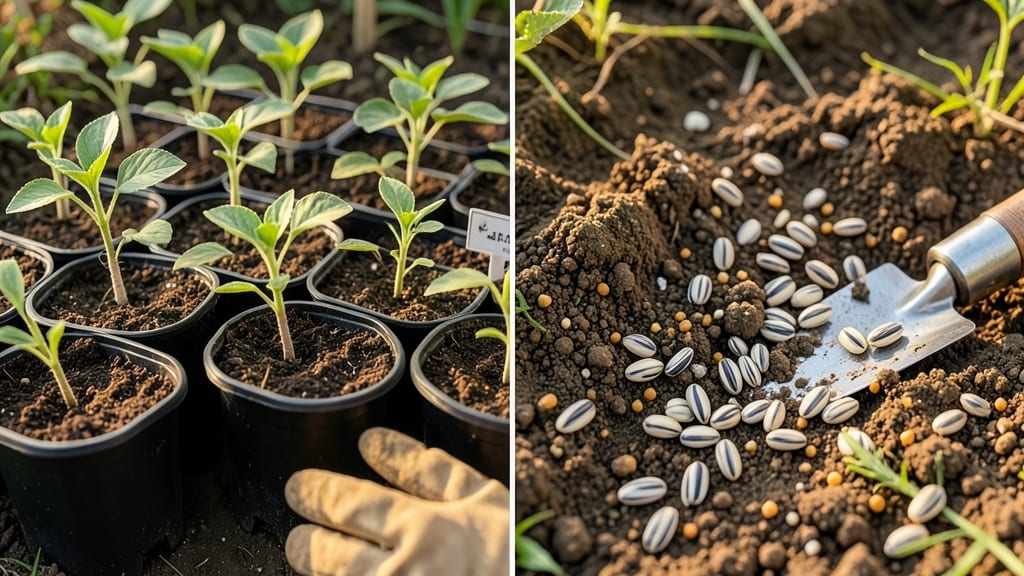
Planting sunflowers at the right time of year ensures bold, towering blooms instead of stunted growth or frost damage.
Picture this: you’ve waited all winter for your garden to burst into color, only to watch your sunflowers 🌻 wilt under a late frost or bolt in the heat.
The secret? Timing your seeds to match your USDA zone’s last frost date—and knowing whether your climate leans toward early spring or late summer planting.
In cooler zones like 6a, mid-spring (after April 15) is ideal, while warmer regions can extend planting into early summer for a second flush of blooms. Below, I’ll break down the exact month-by-month deadlines by zone, plus how to adjust for early vs. late varieties to maximize your harvest.
You’ll leave here with a clear planting schedule, frost-risk tips, and the confidence to turn your garden into a sunflower spectacle—no guesswork included.

Best sunflower planting times by USDA zone: month-by-month deadlines
Sunflowers thrive when planted at the right moment—too early and frost will strike, too late and they’ll bolt before blooming. The key is aligning your planting with your USDA zone’s last frost date and soil temperature thresholds.
In cooler zones (3-7), aim for early spring or late summer, while warmer zones (8-11) can stretch planting into fall. Let’s break it down by zone so you can plant with confidence.
Sunflowers are warm-season annuals, meaning they need consistent temperatures above 50°F (10°C) to germinate. Most varieties mature in 80-120 days, so your planting window depends on your zone’s frost-free period.
For example, in Zone 5, you’ve got a narrow window of May-June, while Zone 9 gardeners can plant from March-April or August-September for two harvests.
Here’s your zone-by-zone planting calendar with exact deadlines, including regional tweaks for Southern vs. Northern climates within the same zone. Use this as your guide to avoid common mistakes like frost damage or overcrowded seedlings.
In USDA Zones 3-4, where frost lingers late, focus on late May to early June planting. These zones have the shortest growing seasons, so prioritize early-maturing varieties like 'Autumn Beauty' (70-80 days) or 'Moulin Rouge' (80-90 days).
Use row covers if planting in May to protect seedlings from unexpected frost.
For Zones 5-6, your window expands to early May through mid-June. This gives you flexibility to plant taller varieties like 'Russian Giant' (120+ days) or dwarf types like 'Sunspot' (60-70 days). Monitor soil temperatures—they should stay above 50°F (10°C) for at least 2 weeks before planting.
Gardeners in Zones 7-8 enjoy the best of both worlds: a spring and fall planting window. Plant in April-June for summer blooms or August for fall flowers.
In Southern Zone 7-8, fall planting can extend into September, but avoid planting after July 15 to prevent bolting from summer heat.
Warmer climates (Zones 9-11) allow for year-round planting, but timing is critical. Plant in early spring
How to adjust sunflower planting for early vs. late bloomers
Sunflowers aren't one-size-fits-all when it comes to planting timing. Early bloomers like 'Teddy Bear' varieties thrive with cooler soil temperatures, while late-season giants need warmer conditions to reach their full height. Understanding these differences lets you stretch your sunflower season from spring to fall—even in short growing zones.
The key is matching your variety to the right soil temperature and frost-free window.
For early-season sunflowers, I plant seeds as soon as the soil reaches 50°F—often 2-4 weeks before traditional last-frost dates. These compact varieties (like 'Moulin Rouge') bolt quickly and produce blooms in just 60-70 days.
Meanwhile, late-season sunflowers (such as 'Russian Giant') need soil at 60°F+ and won't tolerate transplanting well. Their 100+ day maturity means they must go in the ground after all frost risk has passed.
- Early Bloomers: Plant when soil hits 50°F (2-4 weeks before last frost). Ideal for spring gardens or succession planting.
- Late Bloomers: Wait for 60°F+ soil (after last frost). Best for summer heat and longer seasons.
- Succession Planting: Sow early varieties every 2 weeks in spring, then switch to late varieties in summer for continuous blooms.
- Short Seasons? Choose dwarf varieties (like 'Autumn Beauty')—they mature in 70-80 days and tolerate cooler temps.
- Extending Blooms: In Zone 5-7, plant half early (May) and half late (July) for fall color.
Succession planting is my secret weapon for maximizing sunflower displays. I start with early varieties in late spring (April-May) and follow up with late-season types in early summer (June). This staggered approach ensures blooms from June through October, even in cooler climates.
For example, 'Teddy Bear' sunflowers (50 days to bloom) give me early color, while 'ProCut' (100 days) provides late-season harvests for birdseed.
Soil temperature is the real game-changer. Use a soil thermometer to confirm readiness—early bloomers sprout at 50°F, but late varieties may sit dormant below 60°F. In my Zone 6a garden, I test soil in early May and often find it's still too cold for giant varieties.
I wait until late May or early June to plant those towering 'Mammoth' types, ensuring they have enough heat to develop strong stems.
Don't overlook microclimates in your garden. A south-facing bed warms up faster than a north side, letting you plant late varieties 1-2 weeks earlier. I also use black plastic mulch to raise soil temps by 5-10°F, which helps jumpstart late-season sunflowers in cooler zones.
For container growers, choose dwarf varieties and plant in black pots to absorb more heat.
If you're in a short-season zone (Zone 3-5), focus on early-maturing varieties like 'Sunspot' (60 days) or 'Autumn Beauty' (75 days). These handle light frosts better than giants and still produce stunning blooms.
For longer seasons (Zone 8-10), you can push late varieties into fall planting—just sow in August-September for winter interest before the first frost.
Remember: Sunflowers are resilient, but timing determines their success. By matching varieties to your climate and using succession planting, you can enjoy continuous blooms from spring through fall—without sacrificing size or vigor.
Start with one early and one late variety this season, and watch your garden transform into a sunflower paradise! 🌻