
Flowers
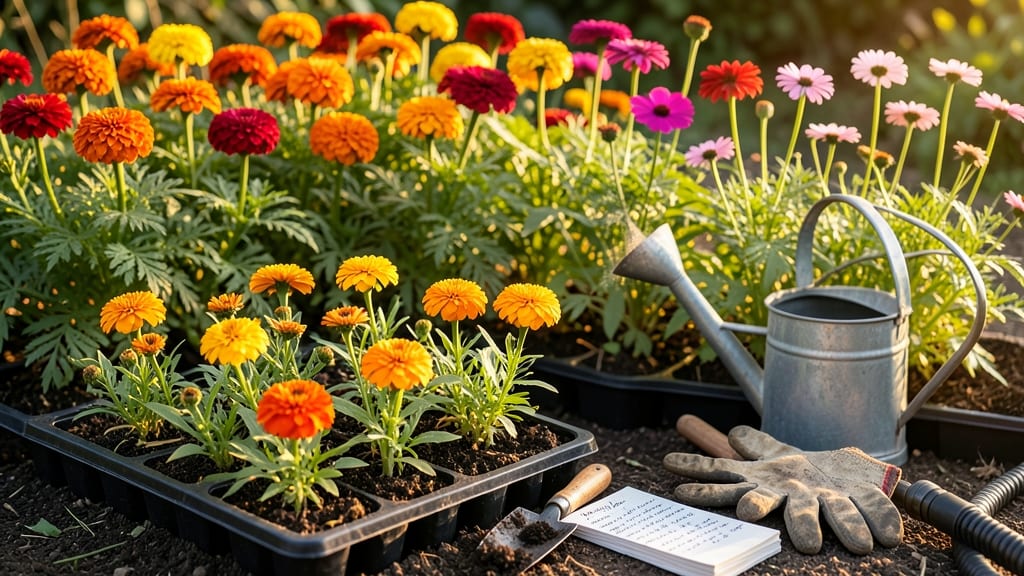
Planting fall flowers in Texas requires precision to avoid the heat or frost—aim for late August through early October for the best blooms before winter.
Texas gardeners know the difference between a thriving fall garden and a frost-killed disaster comes down to timing. Plant too early, and flowers wilt in the lingering summer heat; too late, and they won’t bloom before the first freeze.
The key is knowing your zone and working with the calendar, not against it.
Whether you’re in North Texas’s Zone 7b or South Texas’s Zone 10a, the right flowers and planting dates can mean the difference between a vibrant fall display and a sad, brown patch.
This guide breaks down the best flowers for your region and the exact windows to plant them—so you can enjoy color well into December.
You’ll learn which annuals and perennials thrive in Texas’s fall conditions, how to prep your soil for maximum resilience, and simple tricks to extend your blooming season without risking frost damage. Let’s get those gardens popping!
Texas fall planting deadlines by hardiness Zone (avoid frost with these exact dates)
Texas gardeners face a unique challenge: the fall planting window is short and sweet. Miss the optimal dates by even a week, and your mums or pansies might not bloom before the first frost. The key is understanding your USDA hardiness zone (7-10) and the temperature thresholds that trigger dormancy.
In Zone 7, for example, the last frost typically hits by November 15, while Zone 10 can still enjoy mild winters. Let’s break down the exact planting deadlines by zone to ensure your fall flowers thrive.
First, know that fall planting success hinges on two critical factors: soil temperature and frost risk. Most frost-sensitive annuals, like marigolds and cosmos, need to be planted when daytime temperatures drop to 80°F or below.
If you plant too early, the heat will stress seedlings, and if you wait too late, they won’t have time to establish roots before winter. For perennials, like salvias and black-eyed Susans, the window is slightly wider, but timing still matters for robust growth.
The table below outlines the exact deadlines for planting frost-sensitive annuals and perennials in Texas zones 7-10. These dates are based on historical frost data and the 6-8 week growth cycle most fall flowers need to bloom before winter.
For example, in Zone 8, you’ve got until October 31 to plant pansies, but by November 15, you’ll need to switch to cold-hardy options like kale or pansy varieties rated for lower temps.
| Zone | Last Planting Date (Annuals) | Last Planting Date (Perennials) | First Frost Avg. | Key Flowers to Plant |
|---|---|---|---|---|
| 7a/7b | September 15 | October 15 | November 15 | Mums, Snapdragons, Pansies, Aster |
| 8a/8b | October 1 | October 31 | November 1 | Cosmos, Marigolds, Salvia, Zinnias |
| 9a/9b | October 15 | November 15 | December 1 (light frost) | Pansies, Sweet Alyssum, Dusty Miller, Calendula |
| 10a/10b | November 1 | December 15 | January 1 (rare frost) | Petunias, Lobelia, Begonias, Impatiens |
*Dates based on historical frost data and 6-8 week bloom cycles for annuals.
If you’re in Zone 7, your last call for frost-sensitive annuals like mums and snapdragons is September 15. After that, switch to cool-season crops or hardy perennials like asters, which can handle the chill.
In Zone 8, you’ve got a little more flexibility, with October 1 as the cutoff for annuals. This zone is perfect for cosmos and zinnias, which can bloom until the first frost hits around November 1.
For Zone 9 and 10, the window extends into November, allowing you to enjoy pansies and sweet alyssum well into December.
Pro tip: Use a soil thermometer to check if the ground has cooled to 65-75°F before planting. If it’s still too warm, your seeds or seedlings will struggle to germinate or establish roots.
In Zone 7, for instance, soil temperatures above 80°F can stunt growth, so wait until late August or early September to start.
For Zone 10, where winters are mild, you can plant tender annuals like petunias as late as November 1, but be prepared for occasional light frosts in December.
Don’t forget to mulch after planting to insulate roots and retain moisture. A 2-3 inch layer of straw or shredded leaves can make a 10°F difference in soil temperature, protecting your plants from sudden cold snaps.
In Zone 8, where frosts can sneak in early, mulching is especially critical for pansies and dianthus, which are prone to rot if soil stays too wet.
For perennials, like salvias and black-eyed Susans, you’ve got a slightly longer window—usually 4-6 weeks before the first frost. These plants benefit from being established early, so aim to plant them by October 15 in Zone 7 or <
Best fall flowers for Texas gardens (ranked by heat tolerance and blooming time)
Texas fall gardens shine brightest when you choose the right flowers—ones that handle lingering summer heat while still blooming before winter’s chill. The key is selecting frost-resistant varieties that thrive in 80-90°F soil temperatures but won’t bolt when temperatures dip.
Here’s my curated list of the top 12 flowers ranked by their ability to perform in Texas’s unpredictable fall weather.
I’ve organized these beauties by bloom season (early, mid, late) and sunlight needs, so you can mix and match for continuous color from September through December. Whether you’re in North Texas (Zone 7b) or South Texas (Zone 9a), these picks will keep your garden vibrant—without the frost worries.
🌱 When to Plant Fall Flowers in Texas: Pro Tips by Month
- 📅 August (Zones 8-10): Start heat-tolerant annuals like celosia and zinnia—they’ll bloom before temps drop.
- 📅 September (All Zones): Plant mums, pansies, and salvias—these thrive in 60-75°F soil and handle light frosts.
- 📅 October (Zones 7-8): Add aster and snapdragon for late-season color—mulch heavily to protect roots.
- 🌡️ Pro Tip: Wait until soil temps drop below 80°F to plant frost-sensitive varieties like petunias.
For early bloomers, prioritize celosia and marigolds—they’ll pop in late August to September and tolerate full sun. These heat lovers need well-draining soil and weekly watering to prevent wilting. I’ve seen celosia in my Houston garden bloom until mid-October with minimal care!
Mid-season stars like mums and asters shine from October through November and handle partial shade better than full sun. Mums, in particular, love cool evenings and will reward you with weeks of vibrant color if planted in early September. Pro tip: Deadhead spent blooms to encourage second flushes.
Don’t overlook late-season perennials like salvias and snapdragons, which bloom into December in South Texas. These thrive in morning sun and afternoon shade, making them perfect for east-facing beds. I’ve extended their season by 3-4 weeks using lightweight row covers on chilly nights.
To maximize your fall garden’s lifespan, pair heat lovers (like zinnia) with cool-season stars (like pansieslayered approach ensures continuous blooms while minimizing gaps. For example, plant zinnia in August and pansies in September—they’ll handoff seamlessly.
Remember: Mulch is your best friend in Texas falls. A 3-inch layer of straw or pine bark insulates roots, retains moisture, and delays frost damage. I’ve saved tender perennials like salvias from 28°F dips using this trick—even in North Texas! 🌿