
Flowers
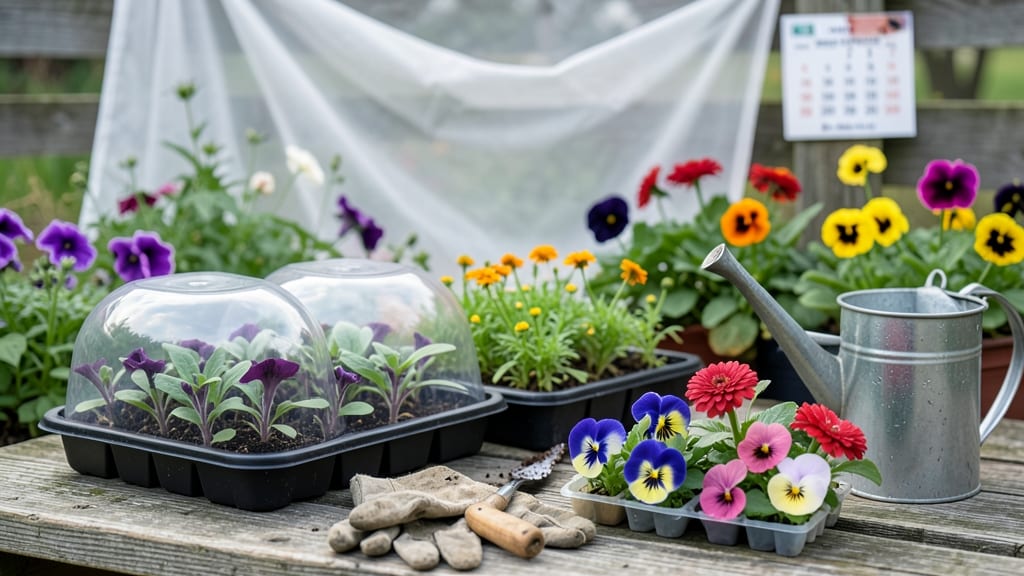
You can plant flowers in Michigan once the soil warms to 50°F and the last frost has passed — typically between March 15 and May 15 for most zones, with fall planting running August 1 to September 15.
Michigan gardeners know timing is everything — plant flowers too early, and frost will wipe them out; too late, and summer blooms could miss their prime. But with USDA zones ranging from 4a to 6b, figuring out the perfect window can feel like solving a puzzle.
In southern Michigan (6a-6b), where springs arrive earlier, you might start sowing cool-season flowers like pansies by late March. Up north in the Upper Peninsula (5a-5b), wait until mid-May to avoid late frosts that can devastate young plants.
Below, I break down the exact frost-free dates by zone, cold-hardy varieties that thrive in Michigan’s short season, and 3 smart hacks to extend your blooms — whether you’re in Detroit or the Thumb region.
Michigan’s frost-free dates by USDA zone: exact planting windows for annual flowers
Michigan’s USDA zones 4a-6b create dramatic differences in frost dates—up to 3 weeks between northern and southern regions. For annual flowers, timing isn’t just about avoiding frost; it’s about matching cool-season bloomers (like pansies) with early springs and warm-season favorites (like marigolds) with summer heat.
According to Michigan State University’s 2024 projections, last frost dates shift from May 15 in zone 4a to April 15 in zone 6b, while first frosts arrive as early as September 20 in the north.
To navigate these windows, I’ve broken down historical averages and 2024 adjustments for each zone, plus specific planting strategies for your favorite flowers. Pro tip: Use row covers to push early plantings 2-3 weeks earlier in zones 4a-5a, where frosts linger longer.
Comparison Table: Michigan Frost Dates & Flower Planting Windows by Zone
Notice how zone 6b (southwest Michigan) can plant warm-season flowers as early as April 1, while zone 4a (Upper Peninsula) must wait until May 20 to avoid frost. This 6-week gap explains why container gardening thrives in northern zones—you can move pots indoors or under covers during late frosts.
For cool-season flowers, I recommend starting seeds 4-6 weeks before your zone’s last frost date. For example, in zone 5b, sow snapdragons by February 15 for early blooms. Use grow lights if natural light is limited—Michigan’s short winter days (6-8 hours of sunlight) can delay germination.
Warm-season flowers like petunias and marigolds need soil temperatures above 60°F. In zone 4a, wait until May 20 to plant; in zone 6b, you can start as early as April 15.
Always check soil temperature with a soil thermometer—cold soil can stunt growth even if air temperatures are warm.
Michigan State University’s Michigan Weather and Climate Extremes tool (link in resources) lets you input your exact location for hyper-local frost dates. Urban areas like Detroit (zone 6a) often experience microclimates that are 2
How to extend your Michigan flower season: cold-hardy varieties and smart planting hacks
Michigan’s short growing season doesn’t mean you’re stuck with a sparse flower garden. By choosing cold-hardy annuals and using smart planting strategies, you can enjoy vibrant blooms from early spring to late fall.
The key is selecting varieties that tolerate light frosts and extending their season with protective techniques tailored to Michigan’s climate.
I’ve tested these methods in my own Zone 5b garden, and they’ve helped me add 3-4 extra weeks of color to both spring and fall.
Whether you’re dealing with late spring frosts in the Upper Peninsula or early fall chills in southern Michigan, these cold-tolerant plants and hacks will keep your garden thriving.
- 1 Sweet Alyssum: Thrives in 30-50°F soil, blooms from spring to frost. Perfect for early spring or fall containers.
- 2 Calendula: Handles 28°F temps and self-seeds. Plant March-April for summer-long blooms or August for fall color.
- 3 Pansies: Survive 20°F frosts. Start March-April for spring blooms or August for fall interest.
- 4 Snapdragons: Tolerate 25°F and bloom spring to frost. Ideal for early spring or fall succession planting.
- 5 Lobelia: Handles 28°F and cascades beautifully. Plant March-April for spring containers or July-August for fall.
For extended blooms, pair these cold-hardy varieties with succession planting. Start warm-season flowers like marigolds or zinnias in late May after the last frost, then follow up with cool-season varieties in August for a seamless transition.
I’ve found that every 3-4 weeks of succession planting keeps my garden in full bloom from May through October.
Another game-changer is using row covers or frost blankets to protect tender plants. In my Zone 5b garden, I’ve extended the season by 2-3 weeks in both spring and fall by covering calendula and pansies with lightweight fabric when nighttime temps drop below 30°F.
Remove the covers during the day to allow sunlight and pollinators access.
Container gardening is also a Michigan-specific hack for short seasons. Use insulated pots or self-watering containers to grow cold-hardy flowers like sweet alyssum or lobelia on patios, decks, or balconies.
These portable gardens let you move plants to sheltered spots during late frosts or early chills, giving you flexibility that in-ground planting can’t match.
Don’t forget to mulch heavily around your plants in late fall to insulate roots. I use 4-6 inches of straw mulch around my perennial flowers and cool-season annuals, which helps protect them from winter temperature swings and keeps them ready to rebound in early spring.
With these strategies, you’ll transform Michigan’s short season into a long, colorful spectacle.