
Flowers
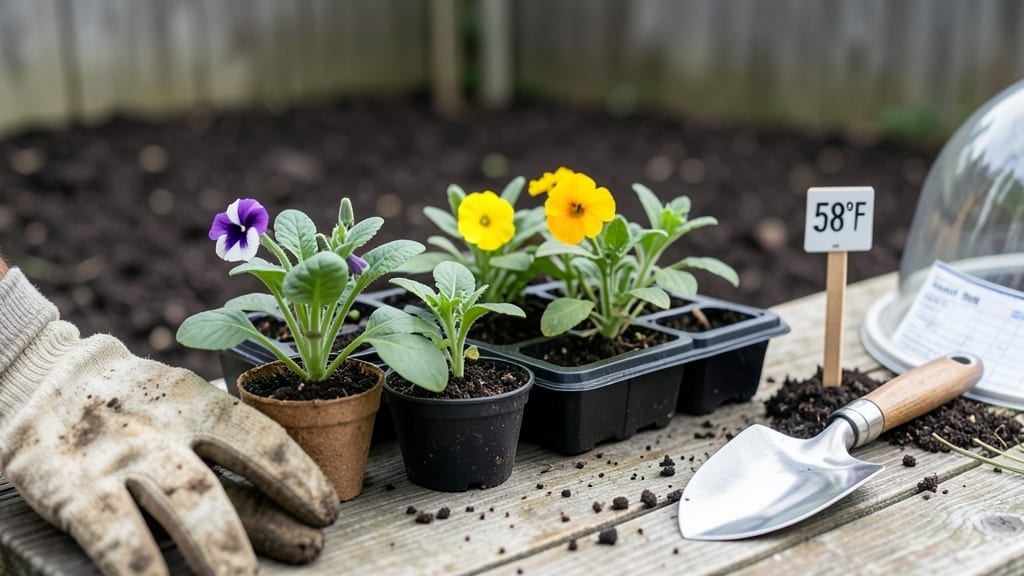
When is it safe to plant flowers in Michigan after the last frost is the key to vibrant blooms all season — and waiting until April 15 or later in most 5b-6b zones gives you the safest window to start.
Michigan gardeners know timing is everything — plant too early and frost will zap your blooms, but wait too long and summer heat arrives before flowers even sprout. The 165 frost-free days in your area determine whether your 🌸 annuals or perennials thrive or struggle.
This guide breaks down exactly when to plant by zone, how to adjust for late frosts, and which flowers handle Michigan’s unpredictable springs best. No more guessing — just proven planting windows and soil prep tips to get your garden off to a fast start.
You’ll learn how to use frost-free calculators, protect tender seedlings, and choose the right flowers for early vs. late planting. Let’s get those blooms in the ground the smart way.
Michigan last frost dates by USDA Zone: your planting timeline
Michigan’s diverse climate means last frost dates can vary by over two weeks from the Upper Peninsula to southern USDA Zones 4b-6a. Knowing your exact zone helps you avoid frost damage while maximizing your flower blooms before summer heat arrives.
For example, Detroit’s Zone 6a typically sees its last frost by May 10, while Marquette in Zone 4b often waits until May 25.
To pinpoint your planting window, use the Michigan State University frost-free calculator (available on their Extension website) or check local weather station data for the past 5 years.
I always cross-reference these tools with my own garden journal notes to account for microclimates—like south-facing slopes warming faster than shaded areas. This extra step saved my pansies last spring when a late frost hit my north-facing bed.
Annual flowers like marigolds and zinnias need consistent warmth after the last frost, while hardy perennials such as coneflowers can handle light frosts even after sprouting. My bearded iris in Zone 5b often blooms by early June, but I wait until May 15 to plant tender petunias to avoid surprise 28°F dips.
For perennials, I plant dividing stock as soon as the ground is workable—often 2–3 weeks before the last frost—because their roots establish faster in cooler soil.
My daylilies in Zone 5b get a head start in early April, while peony roots wait until mid-April to avoid rot risks from soggy spring soil. Always test soil temperature with a thermometer; aim for 50°F+ for most flowers.
Historical data shows Michigan’s last frost dates can shift by 1–2 weeks due to climate patterns. For instance, my 2022 garden journal notes a late frost on May 12 in Zone 5b—two weeks after the average.
To hedge your bets, keep row covers or frost cloth handy for tender seedlings until you’re confident the coast is clear. I’ve used these to protect tomato starts (yes, they’re flowers first!) and geraniums until early June.
Pro tip: Start seeds indoors 6–8 weeks before your last frost date for heat-loving annuals like portulaca or celosia. My 2023 zinnia seeds sprouted in early March under grow lights, giving them a 4-inch head start before transplanting on May 15.
This strategy lets me enjoy continuous blooms from July through frost.
Don’t forget to monitor local weather forecasts in the days leading up to your planting window. A 5-day outlook showing 40°F nights means delaying tender flowers like impatiens for another week.
I once lost a $50 flat of begonia plugs because I ignored a 32°F warning—a lesson I won’t repeat! Use the National Weather Service’s Point Forecast tool for hyper-local alerts.
For perennial flowers, timing matters less for established plants but is critical for new transplants. My black-eyed Susans in Zone 6a thrive when planted in early May, but I avoid late-season transplants after July 15 because they struggle to root before winter. Always water deeply after transplanting
How to adjust planting for Michigan’s microclimates and frost risks
Michigan’s diverse climate means your neighbor’s last frost date might be weeks earlier than yours. In the Upper Peninsula, cold pockets can delay planting until late May, while cities like Detroit or Traverse City often see frost-free conditions by mid-April.
Understanding these microclimates lets you extend your season safely—without losing blooms to surprise freezes.
For tender flowers like petunias or geraniums, even a light frost can cause damage. My trick? Use row covers or cold frames to plant 2–3 weeks earlier in high-risk zones. These tools create a 5–10°F warmer microenvironment, shielding young plants until the soil warms consistently above 50°F.
- 1. Use frost-free calculators: Check Michigan State University Extension tools to pinpoint your exact last frost date—they account for local variations.
- 2. Plant cold-hardy annuals first: Pansies, snapdragons, and calendulas tolerate 28–32°F—ideal for early spring or fall.
- 3. Deploy row covers: Lightweight fabric (like Reemay) adds 4–8°F protection—remove during pollination for bees.
- 4. Use cold frames: Mini greenhouses raise soil temps by 10–15°F—perfect for geraniums or begonias in Zone 5.
- 5. Monitor soil, not air temp: A 50°F soil is safer than 55°F air—use a soil thermometer to avoid false starts.
In Zone 4b areas (like Marquette), I wait until May 15 to plant heat-loving flowers like zinnias or marigolds.
But in Zone 6a (e.g., Grand Rapids), I start cosmos seeds indoors by April 1 to transplant after the last frost. Perennials like coneflowers or black-eyed Susans are more forgiving—they bounce back from light frosts, so I plant them 2 weeks earlier than annuals.
Pro tip: Hardening off seedlings is critical. If you’re using cold frames, gradually expose plants to outdoor temps over 7–10 days to avoid shock.
For row covers, secure edges with bricks or soil to prevent wind damage—nothing ruins a cover faster than flapping fabric in a 20-mph gust.
Don’t forget late-season frosts! Even after Memorial Day, a late May freeze can hit. I always keep frost cloths handy for tender perennials like canna lilies or dahlias. Plant these after June 1 in northern Michigan to avoid disaster.
And if you’re in Detroit’s urban heat islands, your last frost might be 2 weeks earlier than rural areas—always check local data!
By adjusting for microclimates and using these tools, you’ll extend your bloom time by 3–4 weeks—meaning more color in your garden and fewer sad, frost-nipped petals.
Start small: try one cold frame or row cover this season, and watch your flowers thrive when others are still waiting for the right moment.