
Plants
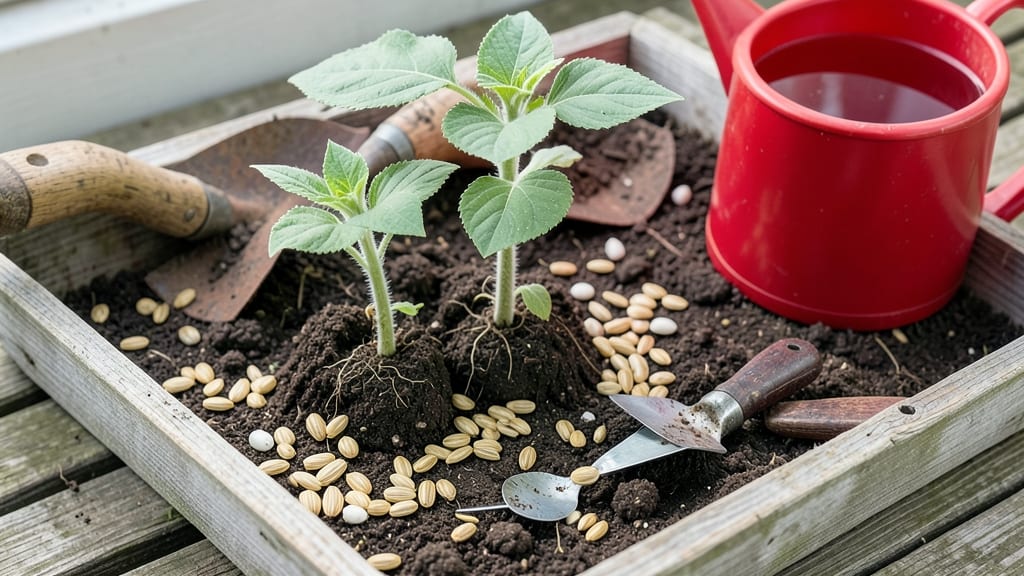
Planting sunflower seeds outside after the last frost ensures they thrive and reach their towering, cheerful heights 🌻 — aim for soil temperatures above 55°F and a frost-free forecast.
Sunflowers bring bold color and joy to any garden—but planting them at the wrong time can mean wilted dreams before they even bloom. Timing is everything, and knowing the exact frost-free window for your growing zone ensures your sunflower seeds sprout strong and tall.
In USDA Zone 6a, like much of the Midwest, that window typically opens around mid-April, but late frosts can push it into May. Warmer zones like Florida or California can start as early as February, while northern regions may wait until June.
Below, I break down the best planting dates by zone, how to adjust for early or late springs, and the simple soil prep that keeps your sunflowers reaching for the sky.
Best planting dates for sunflowers by US growing zone
Sunflowers thrive when planted after the last frost, but the exact timing varies dramatically across US growing zones. In Zone 3, where winters are harsh, you’ll need to wait until late May, while Zone 10 gardeners can start as early as February.
The key is ensuring soil temperatures stay above 55°F (13°C)—cold soil slows germination and invites rot. Let’s break down the perfect frost-free windows for each zone to help your sunflowers grow tall and strong.
Most sunflower varieties take 70-120 days to mature, so late plantings risk stunted growth before the first frost. For example, in Zone 5, planting after June 15th may mean blooms appear too late for full development.
Use this guide to align your planting with your zone’s last frost date and daylength for optimal results.
Here’s a quick reference for when to plant sunflower seeds outside in each USDA zone, including soil temperature thresholds and ideal planting windows:
| USDA Zone | Last Frost Date | Ideal Planting Window | Soil Temp Threshold | Notes |
|---|---|---|---|---|
| Zones 3-4 | Mid-to-late May | Late May–early June | 55°F (13°C) | Use row covers for early starts; frost-sensitive varieties need protection. |
| Zones 5-6 | Early-to-mid May | Early May–June 15 | 55°F (13°C) | Best for tall varieties (90+ days to maturity). |
| Zones 7-8 | Mid-April | April 15–May 30 | 50°F (10°C) | Longer growing season allows for late summer plantings (July). |
| Zones 9-10 | Late January–February | February–March (or August for fall blooms) | 45°F (7°C) | Dwarf varieties thrive in heat; avoid planting in peak summer. |
If you’re in Zones 3-4, where frost lingers late, consider starting seeds indoors 4-6 weeks before the last frost date. Use biodegradable pots to transplant seedlings without disturbing roots.
For Zones 5-6, direct sowing in early May works best—just monitor soil moisture closely, as these zones can experience flash frosts even in summer.
In warmer zones like 7-10, you can extend the season by planting a second crop in late summer (August). This works especially well for dwarf varieties, which mature faster (50-70 days). Just avoid planting when daytime temperatures exceed 90°F (32°C), as this can stress young seedlings.
Adjust your planting timeline if your spring arrives early or late. Check local weather forecasts for soil temperature updates—a soil thermometer is your best tool.
For example, if your zone’s last frost passes by April 1 but soil stays cold, wait until May 1 to plant. Patience pays off—rushing leads to weak stems and poor blooms.
Pro tip: Plant sunflower seeds 1 inch deep and space them 6-12 inches apart, depending on the variety. Tall sunflowers need room to avoid shading each other.
If you’re unsure about your zone’s exact frost date, use the USDA Plant Hardiness Zone Map or ask your local Cooperative Extension Service for tailored advice.
Remember, sunflowers are fast growers, but they need consistent warmth. If you plant too early and face a late frost, cover seedlings with frost cloth or a row cover until temperatures stabilize.
With the right timing, your sunflowers will reward you with vibrant blooms and towering stems that bring joy to your garden all summer long.
🌻
How to time sunflower planting for maximum height and bloom
Planting sunflowers at the wrong time can turn your towering dreams into stunted stalks. Late plantings often result in shorter stems and delayed blooms because sunflowers need long, warm days to reach their full potential.
Even a few weeks off can mean the difference between a 12-foot giant and a 3-foot disappointment.
Sunflowers thrive when planted after your last frost date and when soil temperatures hit at least 55°F. This ensures strong root development and rapid growth. But timing isn’t just about frost—it’s also about days-to-maturity.
If you plant too late, your sunflowers may not have enough time to bloom before fall frost.
- 🌱 Check frost dates: Plant 1–2 weeks after your last frost date to avoid cold snaps.
- 🌡️ Soil warmth matters: Wait until soil reaches 55°F+—use a soil thermometer if unsure.
- ⏰ Calculate days-to-maturity: Subtract your first frost date from the variety’s maturity time (e.g., 70 days).
- ☀️ Prioritize sunlight: Ensure 6+ hours of full sun daily—shade stunts growth and delays blooms.
- 🌻 Adjust for variety: Dwarf sunflowers (50–60 days) can plant later; giants (90–120 days) need early starts.
Sunlight exposure is another critical factor. Sunflowers need full sun (6–8+ hours daily) to grow tall and produce vibrant blooms. Planting too late in the season means shorter days, which can reduce stem height and delay flowering.
For example, a 90-day variety planted in early July may only reach half its potential height before frost.
To maximize height, aim for a mid-spring planting in most zones. In USDA Zones 3–5, plant in late May to early June. In Zones 6–10, you can start as early as mid-April, but always confirm soil warmth.
If you’re in a short-growing-season zone, choose fast-maturing varieties (50–70 days) for better success.
Pro tip: Use a 5-step checklist to time your planting perfectly. First, note your last frost date (check your local extension office). Then, add 2 weeks to that date for a safe planting window.
Next, verify soil temperature—55°F+ is ideal. Finally, count backward from your first frost date using the variety’s days-to-maturity to ensure blooms appear before cold weather.
With the right timing, your sunflowers will reward you with stunning height and vibrant blooms. Just remember: early planting = tall, strong sunflowers, while late planting = stunted growth. Start counting down to your garden’s golden giants today! 🌻