
Blooming
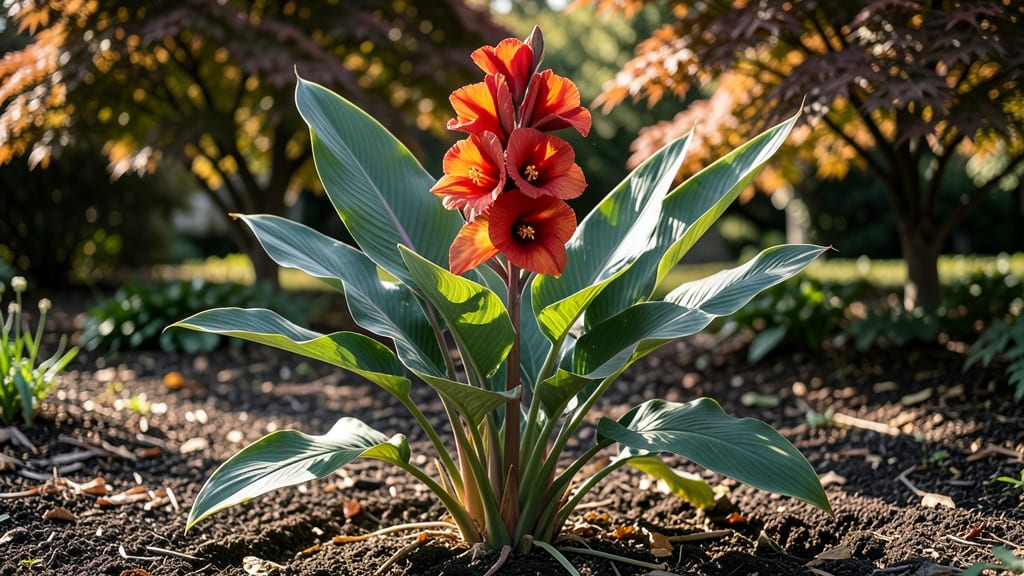
Cannas flower when they’ve soaked up enough heat and daylight — typically between late spring and fall, with blooms peaking in July and August in most regions.
Wondering why your cannas seem to take forever to bloom? Timing everything from heat exposure to your USDA zone determines when these tropical beauties will reward you with stunning, vibrant flowers — often months earlier than you might expect.
In Zone 6a and warmer, cannas usually start forming buds by May if planted early, but cooler springs can push flowering back until June or July. The key is patience and the right conditions — once they get going, they’ll keep blooming until frost.
Below, I’ll break down the exact months to expect flowers in your area, how heat triggers blooms, and 5 pro tips to encourage earlier or longer flowering seasons.
Cannas flowering timeline by month: what to expect in your region
Cannas are tropical showstoppers that thrive on heat, and their flowering timeline depends entirely on your USDA zone and local weather. In Zone 7 and warmer, you might see buds as early as late May, while cooler zones (5-6) could delay blooms until July or August.
The key is understanding how temperature shifts trigger their vibrant displays.
Most cannas follow a spring-to-fall blooming window, with peak performance between July and September. Early bloomers like 'Striped' or 'Pactolus' varieties often open flowers by June in warm climates, while late-season types like 'Australia' or 'Cleopatra' may not reach full bloom until late August.
Your first frost date also dictates when to expect their final show.
In Zone 8 and warmer, cannas often begin forming buds as early as late April if soil temperatures stay above 60°F. The first visible buds appear on new growth near the top of stems, and these will open into showy blooms within 2-3 weeks.
Pay attention to leaf color—healthy, deep green leaves signal the plant is ready to flower.
For Zones 5-7, timing is everything. Plant rhizomes after your last frost date (typically mid-May in Zone 6) and expect buds to form by late June.
If your summer is hot and humid, cannas may bloom earlier and more prolifically than in cooler summers. Monitor soil moisture—drought stress can delay flowering.
Late-season varieties like 'Black Knight' or 'Wyoming' often produce their first flowers in August, extending your garden's color into early fall. These types are perfect for USDA Zones 6-9 where summers are long but not scorching.
To encourage late blooms, prune back faded flowers regularly—this redirects energy to new buds.
If you're in a cooler microclimate (like a valley or high elevation), your cannas may bloom 2-3 weeks later than
Heat triggers and USDA Zone guide: how temperature controls canna blooms
Cannas love warmth, and their blooming schedule is directly tied to soil and air temperatures. These tropical plants won’t produce flowers until they’ve experienced consistent 60°F+ soil temps for at least 2-3 weeks.
In USDA zones 9-11, where winters are mild, cannas often bloom as early as May or June, while gardeners in zones 5-7 may not see flowers until July or August. The key? Understanding your local heat triggers and adjusting care accordingly.
For cannas to thrive and flower, they need 75°F+ daytime temperatures for optimal growth. In cooler zones, this means waiting until late spring or early summer before expecting blooms. Even in warmer climates, heat waves above 90°F can stress plants and delay flowering.
The good news? With the right strategies, you can accelerate blooms in cooler zones or extend the season in hotter areas.
| USDA Zone | Typical Bloom Time | Soil Temp Threshold | Heat Tip |
|---|---|---|---|
| Zones 5-7 | July–September | 60°F+ for 3+ weeks | Use black plastic mulch to warm soil faster. |
| Zones 8-9 | May–October | 55°F+ for 2+ weeks | Provide afternoon shade in extreme heat. |
| Zones 10-11 | April–November | 50°F+ for 2+ weeks | Water deeply during dry spells to prevent stress. |
In cooler zones (5-7), cannas often struggle to bloom because soil stays too cold for too long. To speed things up, try planting rhizomes in black plastic mulch or even in containers near a sunny wall to absorb extra heat.
This can advance blooming by 2-4 weeks by raising soil temperatures faster. Even a 10°F warmer microclimate makes a difference for these heat-loving plants.
On the flip side, overheating in zones 9-11 can cause cannas to bolt or produce fewer blooms. If your plants look stressed during 90°F+ heat waves, provide light afternoon shade and increase watering to every 2-3 days.
Avoid fertilizing during extreme heat, as it can burn roots and delay flowering. Instead, focus on mulching to retain moisture and cool the soil.
One common mistake gardeners make is assuming cannas will bloom immediately after planting. In reality, they need 60-90 days of consistent warmth before producing flowers. If your cannas aren’t blooming by mid-summer in cooler zones, check your soil temperature and consider high-phosphorus fertilizer to encourage flowering.
A 5-10-10 NPK ratio is ideal for pushing blooms.
Remember, cannas are perennials in zones 8-11 but often treated as annuals in zones 5-7. Even if they don’t rebloom yearly in cooler climates, their rhizomes can regrow and flower again if protected from frost.
With the right heat management, you can enjoy vibrant canna blooms from early summer to fall, no matter where you garden. 🌺